Ctrl K
1861–1932
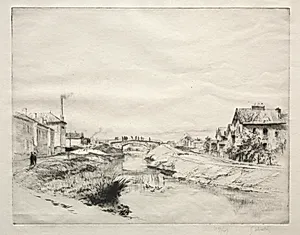
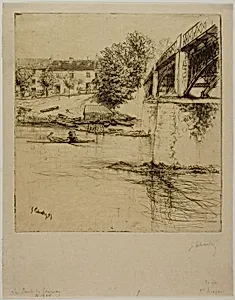
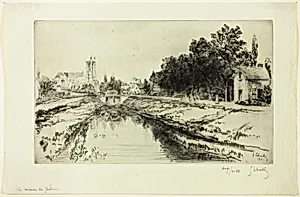
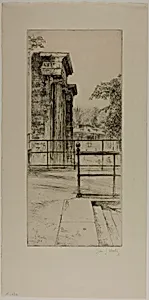
**Gustave Leheutre (1861–1932)** was a French painter, draftsman, and printmaker best known for his sensitive etchings and drypoints of urban and rural French landscapes. Born on July 26, 1861, in Troyes at place Saint-Rémy, he remained deeply attached to his native city throughout his life. His father’s military career led the family through various postings, and Leheutre completed his secondary education as a boarder at the prestigious collège Sainte-Barbe in Paris.
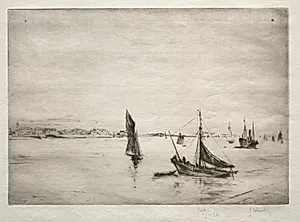
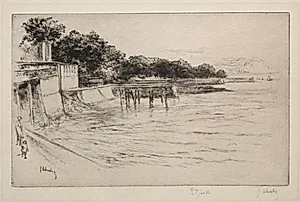
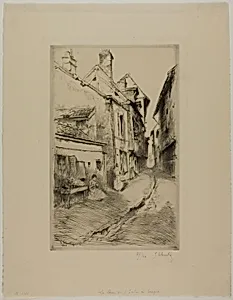
Leheutre trained as a painter, entering the academy founded by Henri Gervex and Ferdinand Humbert in 1884 and later attending Eugène Carrière’s classes in 1890. He began exhibiting at the Salon des Artistes Français in 1889 and, during the 1890s, aligned himself with the Nabis group. A pivotal moment came in 1892 when he encountered James McNeill Whistler’s Venetian etchings at the Galerie Georges Petit; deeply impressed, he abandoned painting for printmaking. He sought instruction from the master printer Auguste Delâtre, who guided him in etching techniques. Leheutre ultimately produced more than 200 original prints—primarily 160 etchings and drypoints—along with a few lithographs and numerous drawings.
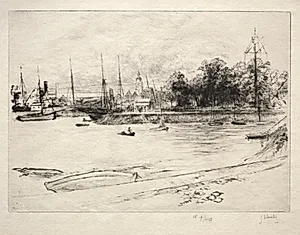
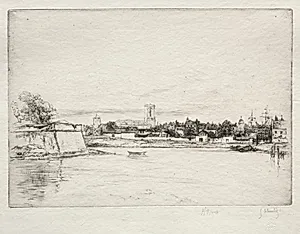
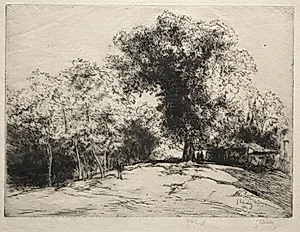
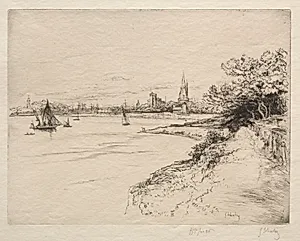
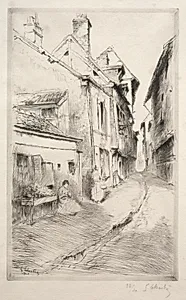
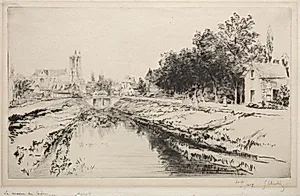
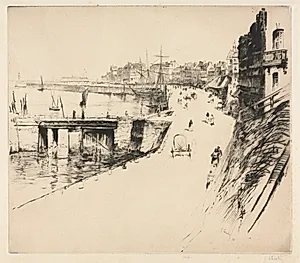
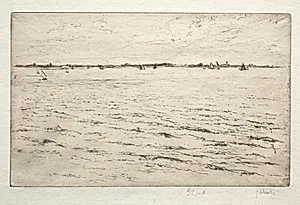
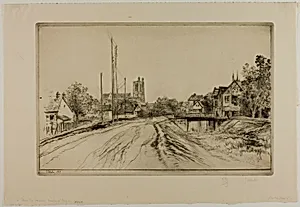
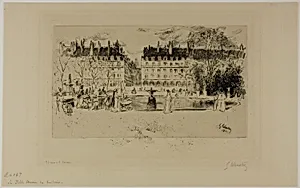
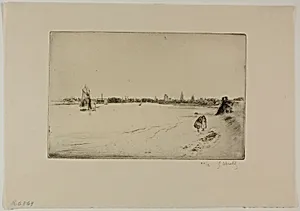
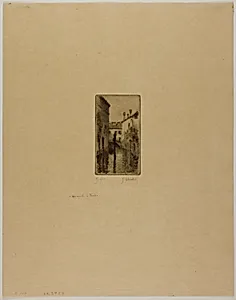
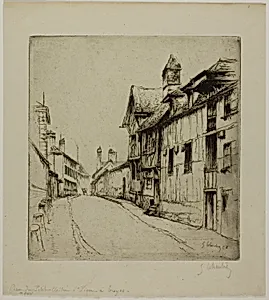
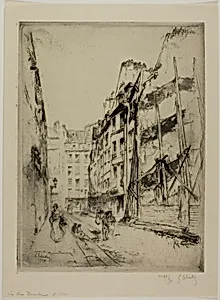
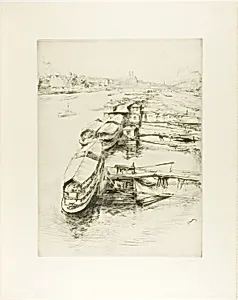
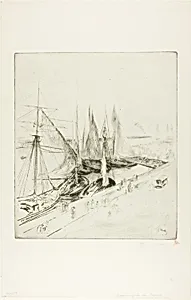
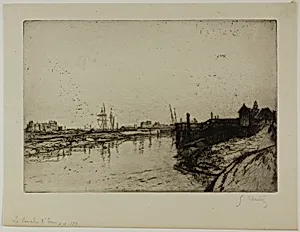
His subjects centered on intimate views of old French towns (especially the disappearing historic quarters of Troyes), Paris and its suburbs, La Rochelle, Chartres, Montargis, and Venice, as well as religious architecture and occasional marine scenes. Notable works include the 1908 drypoint *La Maison Roy de Troyes*, the 1908 etching *La rosace de St. Pierre à Troyes*, and the 1900 print *The Studio of Painter Delâtre*. In 1905 he created a series of etchings to illustrate Eugène Fromentin’s novel *Dominique*, and in 1896 he produced a striking engraved portrait of Claude Debussy. His prints were published by dealers including Edmond Sagot, who limited editions and often destroyed the plates.
Leheutre continued working into the late 1920s. After his death in Paris on August 19, 1932, the city of Troyes organized a major retrospective and named a street in his honor. His works are held in major public collections, including the Art Institute of Chicago, the National Gallery of Art in Washington, the Bibliothèque nationale de France, and the Musée Saint-Loup in Troyes. Though his early paintings reflect Nabi influences, his enduring legacy rests on his Whistler-inspired prints that tenderly document a vanishing France.