Ctrl K
**Han-Chinese** was the collective attribution given to anonymous artisans of Han Chinese descent who crafted intricate embroidered textiles during the Qing dynasty (1644–1911). These makers, active primarily in the late 18th to early 20th centuries, specialized in luxurious garments and furnishings that showcased the pinnacle of Han Chinese needlework traditions. Their early lives and individual training remain not well documented, as they operated within familial workshops or regional guilds rather than as named masters.
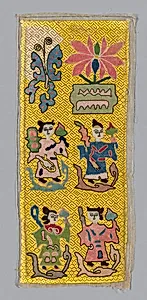
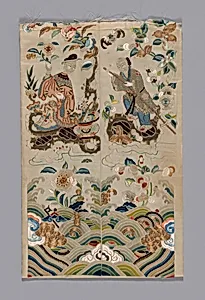
Working in the renowned schools of Chinese embroidery—Su (Suzhou), Shu (Sichuan), Xiang (Hunan), and Yue (Guangdong)—these artisans employed fine silks and metallic threads on gauze grounds to depict floral motifs, plants, mythical creatures, and auspicious symbols. Their style blended technical virtuosity with symbolic depth, often incorporating double-sided stitching for reversible effects and subtle color gradations that evoked nature's harmony. Distinct from Manchu court robes, Han-Chinese pieces emphasized domestic and ritual wear, such as Taoist vestments and everyday surcoats, reflecting everyday elegance amid Qing society's ethnic dynamics.
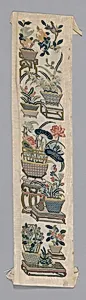
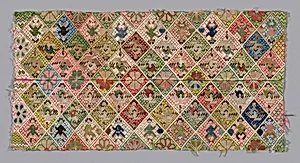
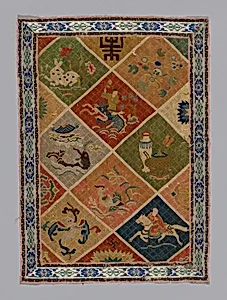
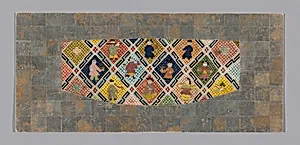
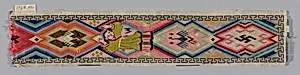
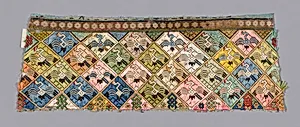
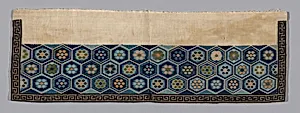
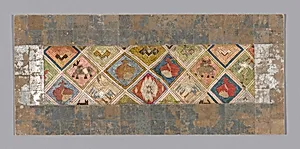
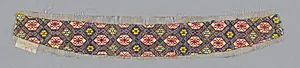
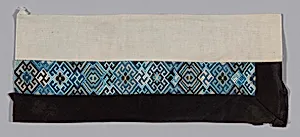
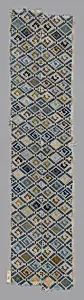
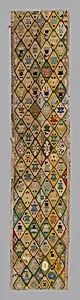
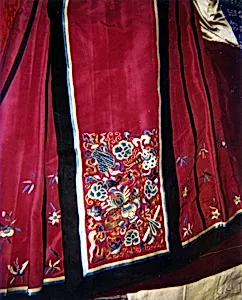
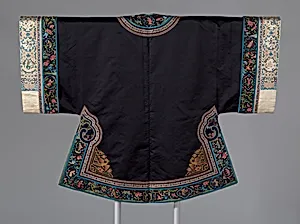
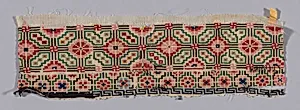
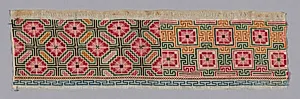
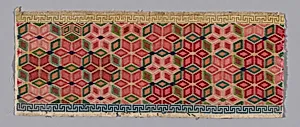
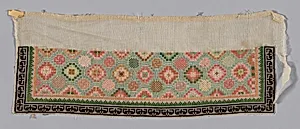
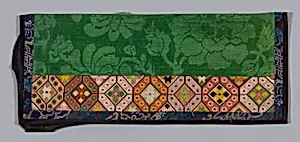
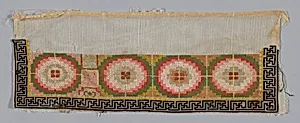
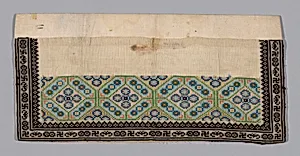
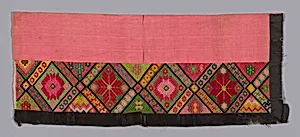
Among their major works are the *Woman's Waitao (Semiformal Domestic Surcoat)* (ca. 1875/1900), adorned with floral embroidery; the *Panel (Dress Fabric)* featuring sleeve bands of flowers and plants; and the *Vesment for a First-Degree Taoist Priest* (18th century, inscribed 1793), with elaborate silk motifs. Other highlights include trouser bands, furnishing panels, and trimming pieces, many preserved in collections like the Art Institute of Chicago, where 101 such artworks attest to their prolific output.
The legacy of Han-Chinese embroiderers endures in the global appreciation of Qing textiles, influencing modern designers and preserving cultural narratives of resilience and artistry under Manchu rule. Their anonymous genius elevated embroidery from craft to high art, embodying the refined aesthetic of Han traditions amid imperial splendor.