Ctrl K
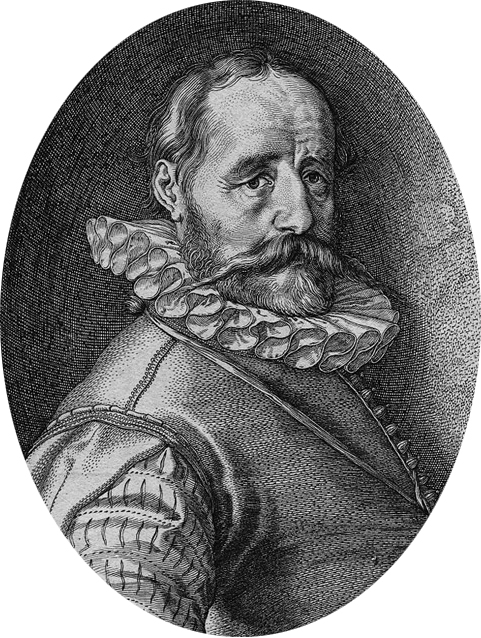
1534–1593
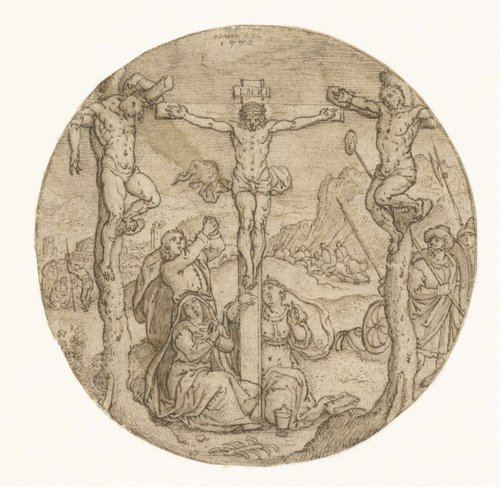
Hans Bol (1534–1593) was a Netherlandish painter, draftsman, and miniaturist known for his exquisite landscape compositions and detailed miniature paintings. Born in Mechelen (Malines) in the Spanish Netherlands, he trained there and became a member of the Guild of Saint Luke. His early career was disrupted by the religious upheavals of the Dutch Revolt; the sack of Mechelen in 1572 forced him to flee, and he subsequently lived in Antwerp, Bergen op Zoom, Dordrecht, and finally Amsterdam.
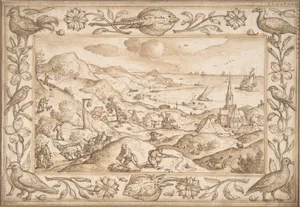
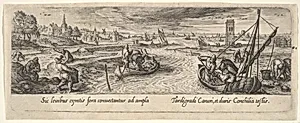
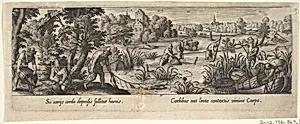
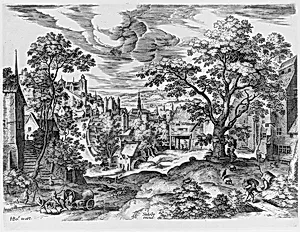
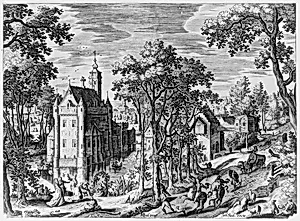
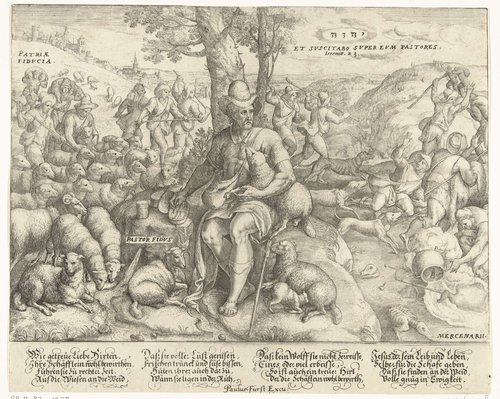
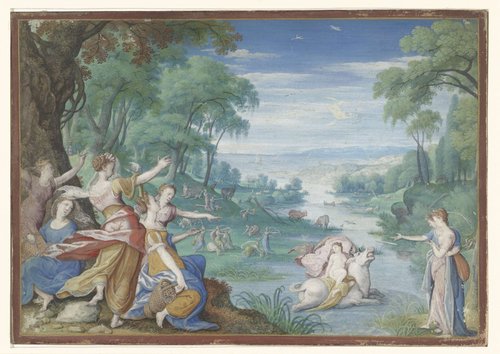
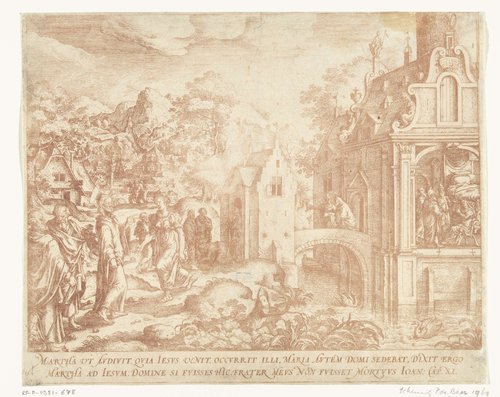
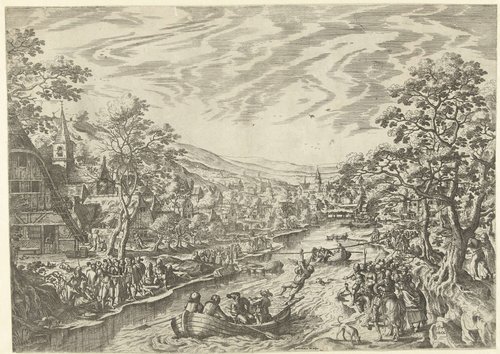
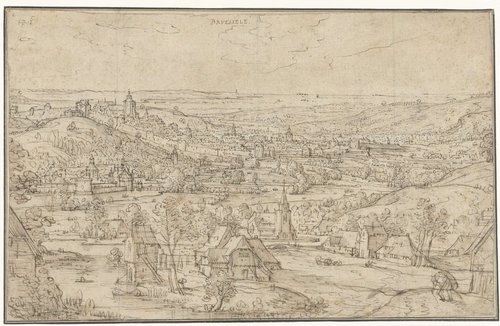
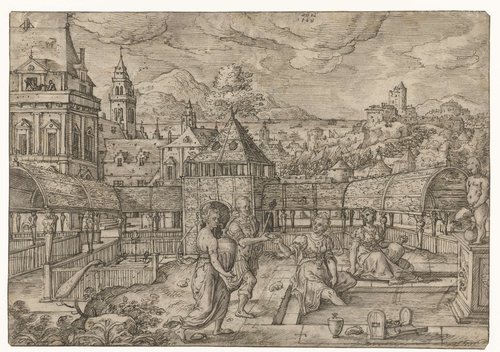
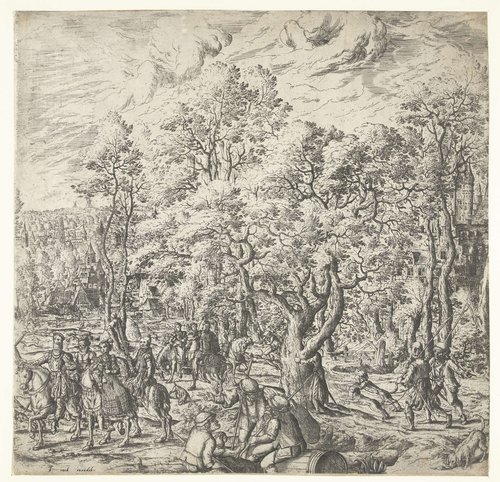
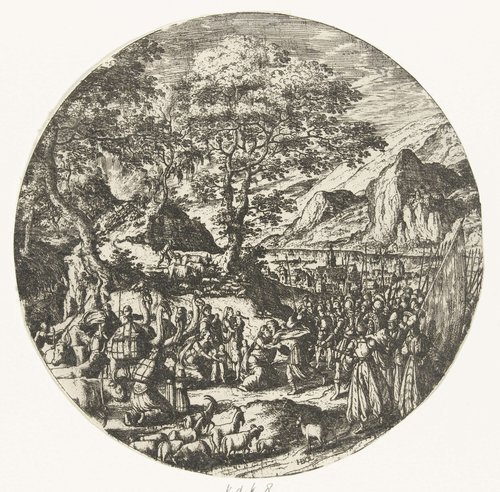
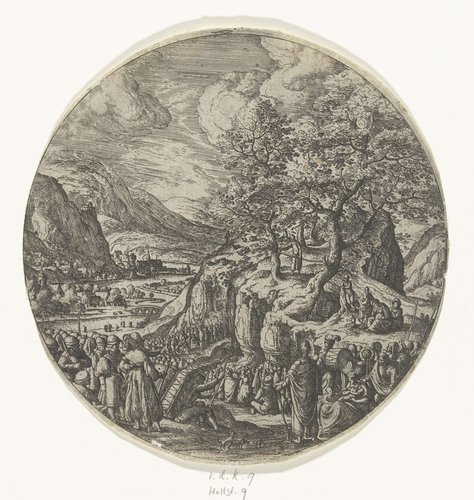
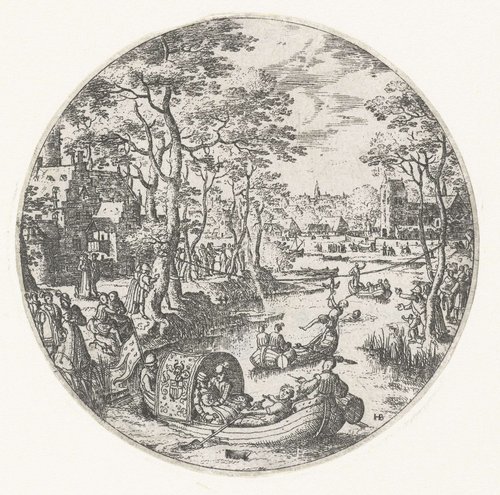
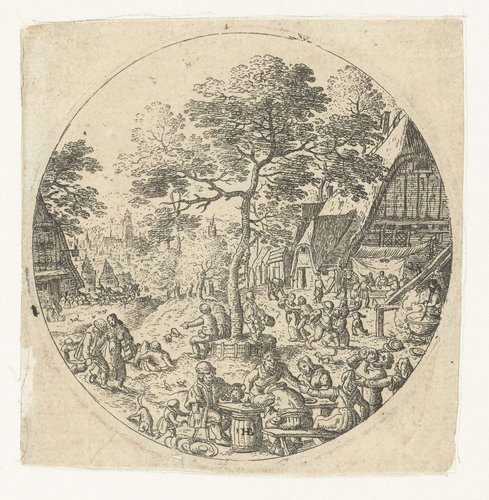
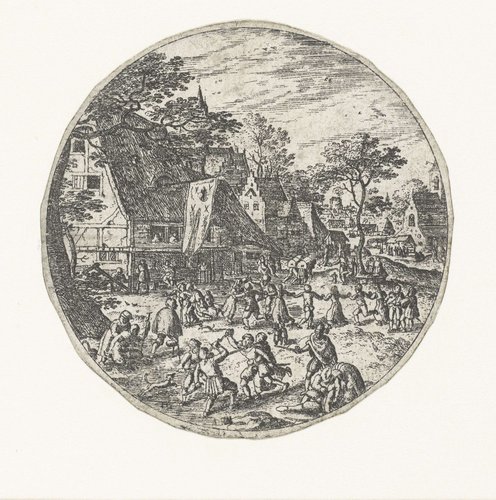
Bol was renowned for his panoramic landscapes populated with tiny, meticulously rendered figures engaged in biblical, mythological, or genre scenes. His compositions typically feature elevated viewpoints, winding rivers, and atmospheric distances that reveal the influence of Pieter Bruegel the Elder, though Bol's touch is more refined and decorative. He excelled at gouache miniatures, producing works of extraordinary precision and jewel-like color on vellum and paper.
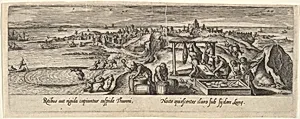
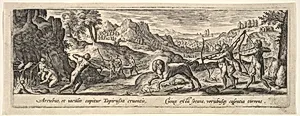
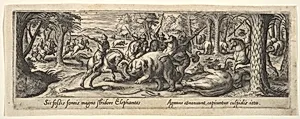
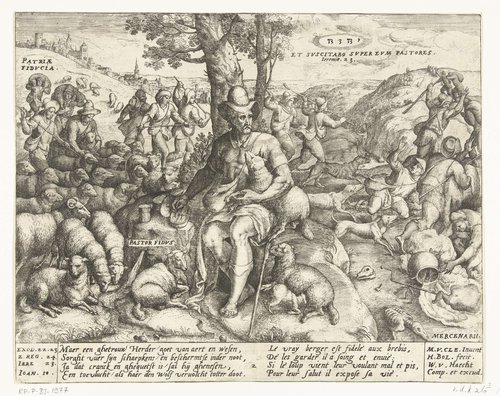
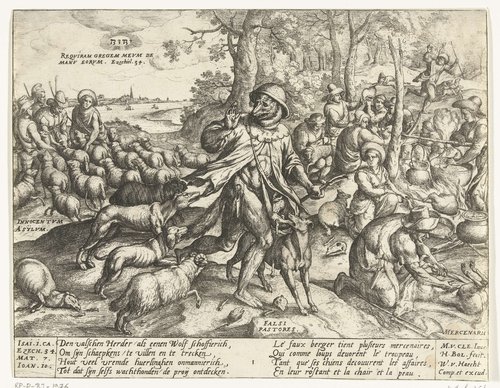
His designs were widely disseminated through prints, particularly through his collaboration with the great Antwerp print publishers. Engravers including Adriaen Collaert, Jan Sadeler, and the brothers Jan and Raphael Sadeler produced large numbers of prints after Bol's designs, spreading his landscape compositions across Europe and ensuring his lasting influence on Netherlandish landscape art.
Bol's miniature paintings and drawings are held in major collections including the Rijksmuseum, the British Museum, the Albertina in Vienna, and the Metropolitan Museum of Art. He is recognized as an important transitional figure between the world-landscape tradition of Joachim Patinir and Bruegel and the more naturalistic landscape painting that would emerge in the seventeenth-century Dutch Republic.