Ctrl K
**Hans Collaert the Younger (Jan Collaert II)**
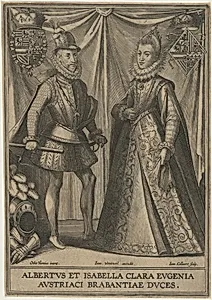
Born around 1561 in Antwerp, in the Spanish Netherlands (modern-day Belgium), Hans Collaert the Younger—also known as Jan Baptist Collaert I—was the son of the engraver Hans Collaert I and Anna van der Heijde, and the younger brother of fellow engraver Adriaen Collaert. He received his training under his brother Adriaen, as well as the prominent publishers and engravers Philip Galle and Gerard de Jode, immersing himself in Antwerp's vibrant printmaking scene. By 1585, Collaert had joined the Antwerp Guild of Saint Luke, rising to become its dean in 1612, a testament to his stature in the local artistic community.
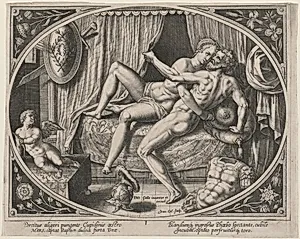
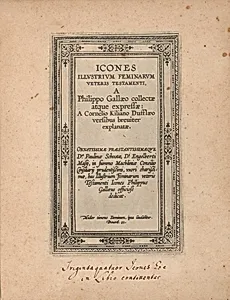
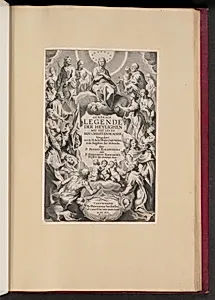
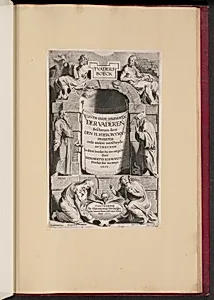
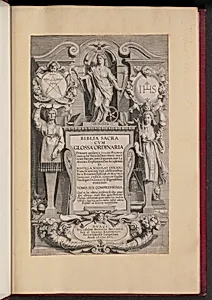
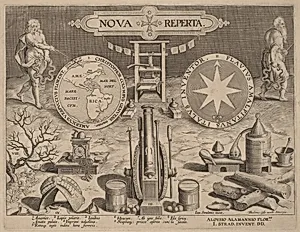
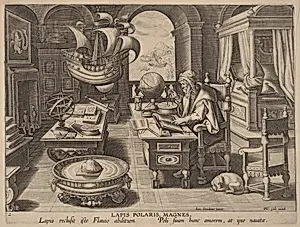
Collaert specialized in reproductive engravings, working primarily after designs by leading Flemish Mannerist artists such as Maerten de Vos and Johannes Stradanus (Jan van der Straet). His style featured intricate, Mannerist compositions with voluptuous, Rubenesque figures, diminutive heads, and dramatically expressive hands, evoking a Botticelli-like elegance adapted to Northern sensibilities. Among his major works are the series *Icones Illustrium Feminarum Veteris Testamenti* (1590–1595), illustrating heroic women from the Old Testament after de Vos; the hunting scenes of *Venationes Ferarum, Avium, Piscium* (1596) after Stradanus; and contributions to *Nova Reperta*, depicting groundbreaking inventions like oil painting. He also produced religious series such as *Vita, Passio, et Resurrectio Iesu Christi* (1598) and *Septem Peccata Mortalia* (1612–1620), alongside book illustrations for the Plantin-Moretus press.
Collaert's career intertwined with Antwerp's publishing houses, collaborating with figures like Theodoor Galle and Hans Woutneel until his death around 1620 (or possibly 1628). He mentored pupils including Barbara van den Broeck and Antony van der Does, perpetuating the Collaert family's dynasty of engravers active from about 1555 to 1630. Though his original inventions were few, Collaert's meticulous prints disseminated Mannerist ideals across Europe, bridging painting and popular devotion while elevating engraving as a fine art in the Flemish tradition. His works remain in collections like Harvard's (over 30 pieces) and the National Gallery of Art, underscoring his enduring technical mastery.