Ctrl K
1450–1560
Occupations
Hans Guldenmund (ca. 1450–1560) was a prolific Nuremberg printer, publisher, illuminator, and graphic artist whose woodcut broadsheets captured the turbulent religious, political, and military events of the early Reformation era. Active in the thriving print culture of Nuremberg, a hub for publishing since the late 15th century, Guldenmund operated his workshop near the meat markets ("bei den Fleischbänken"). His early life remains undocumented, with no records of formal training or teachers.
Guldenmund excelled as a "Bilderbogenverkäufer," producing and selling affordable single-sheet prints (Briefe) that blended satire, caricature, and topical news. He commissioned designs from leading Nuremberg Kleinmeister, including Erhard Schön, Hans Sebald Beham, Barthel Beham, Peter Flötner, Georg Pencz, Virgil Solis, and Hans Brosamer, working in the robust woodcut tradition of the German Renaissance. His output often featured anti-papal propaganda, such as the confiscated *Wunderlichen Weissagung von dem Babstum* (1527), and vivid depictions of Turkish threats, like *Contrafactur wie der Türck Wien belegert anno 1529*. These provocative sheets—sometimes obscene or plagiarized—drew repeated rebukes from the Nuremberg council, resulting in imprisonments, bans (including a two-year exile in 1532), and confiscations, though he often received compensation.
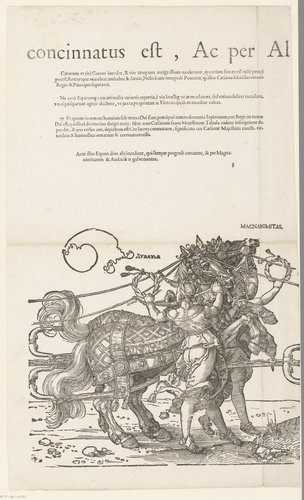
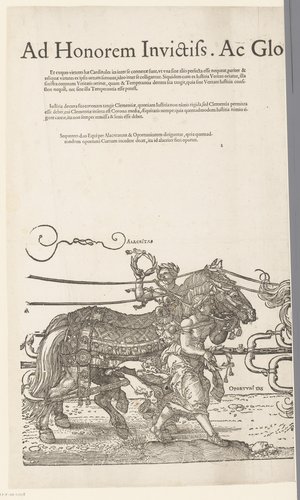
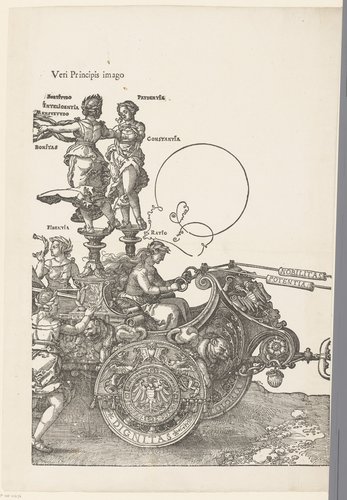
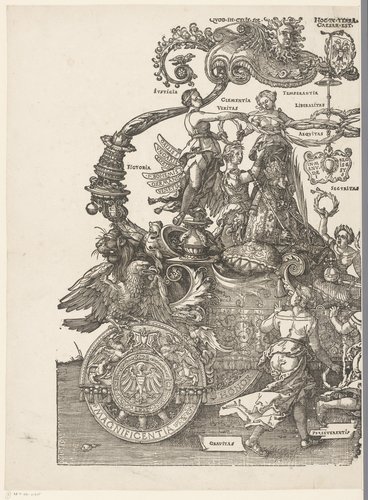
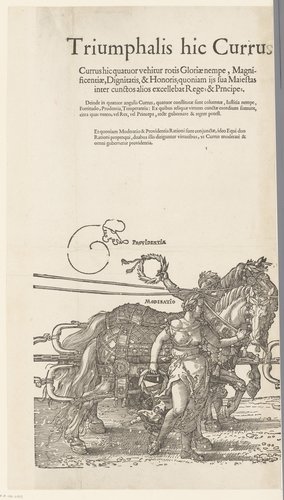
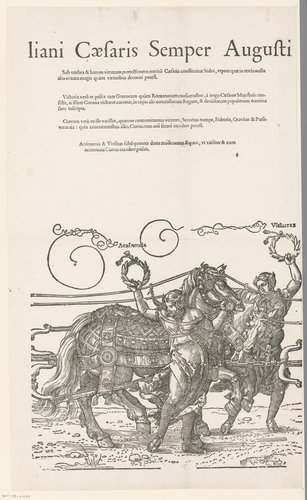
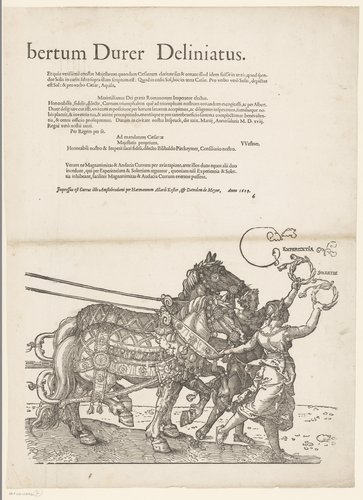
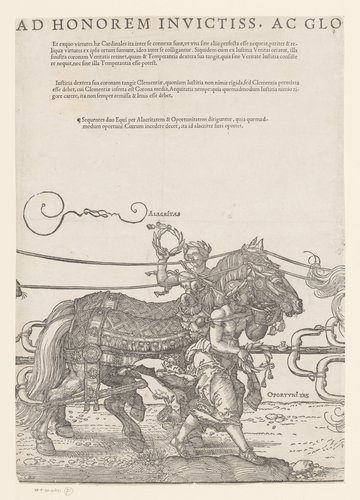
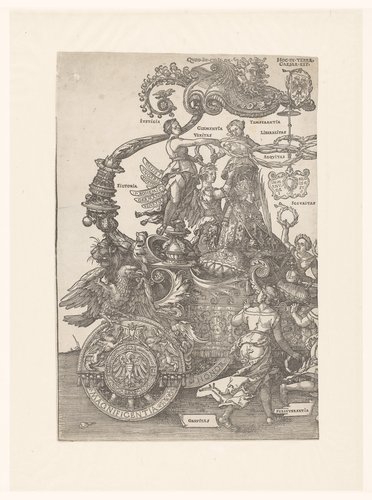
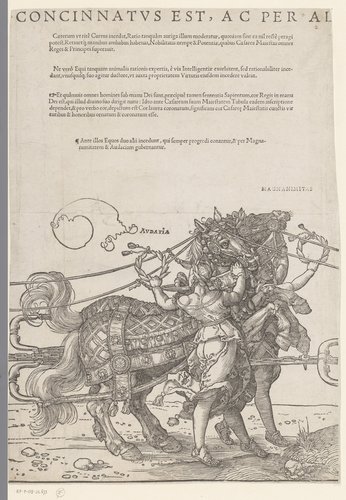
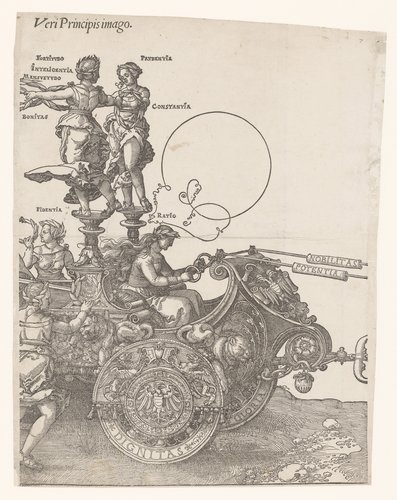
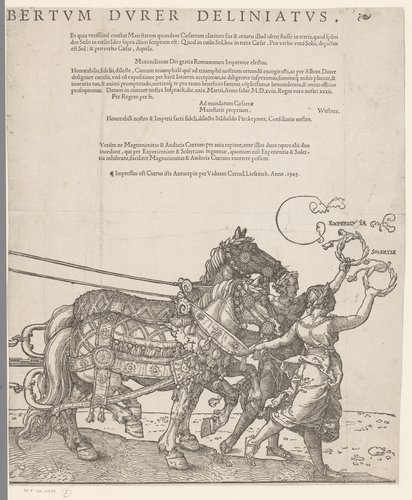
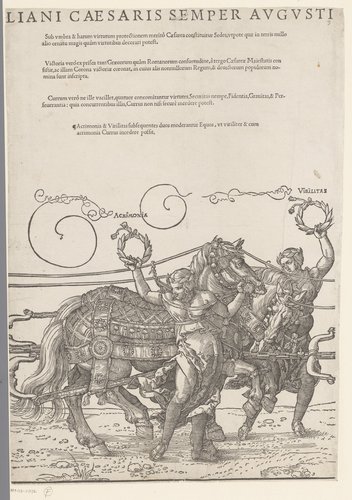
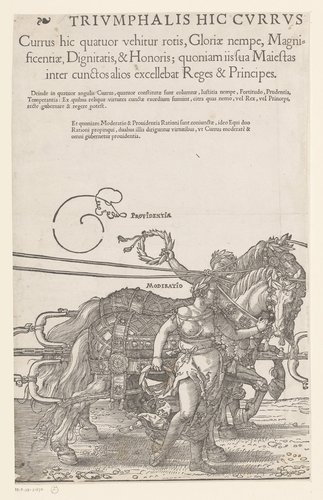
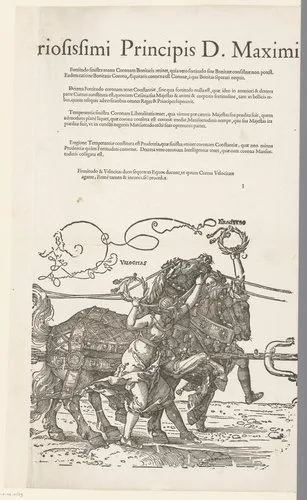
Among his major works are illuminated manuscripts like a *Theuerdank* for Anton Tucher (1518–1519), a 1537 reprint of Albrecht Dürer's *Triumphwagen des Kaisers Maximilian*, and Burkhard Waldis's *Vrsprung vnd herkumen der zwölff ersten alten König vnd Fürsten Deutscher Nation* (1543). Iconic series include Landsknecht figures, 16 Turkish commanders, and the *Fürstentanz* (Prince's Dance), alongside portraits such as Hans Sachs by Michael Ostendorfer and Martin Luther's deathbed scene. Commons images under his name depict captives lamenting under Turkish warriors, John Zápolya, Ibrahim Pasha, and Stradiot archers, reflecting his focus on contemporary conflicts.
Guldenmund's legacy endures as a key disseminator of Reformation imagery and popular visual news, pushing boundaries despite censorship. His savvy business acumen and collaborations amplified Nuremberg's print dominance, influencing broadsheet traditions across Europe until his death on November 28, 1560.
Wikidata (CC0)
All 15 artworks loaded