Ctrl K
1855
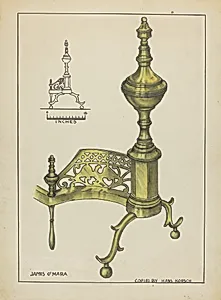
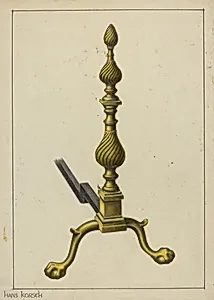
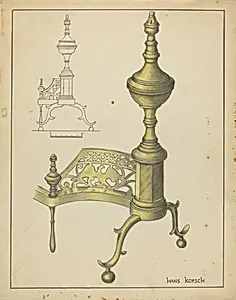
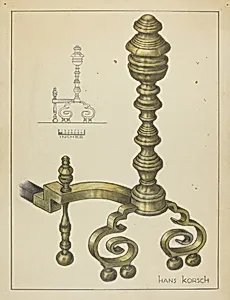
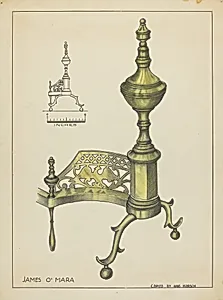
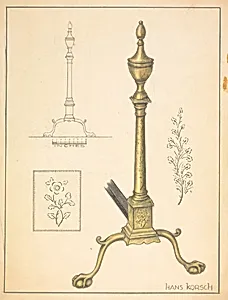
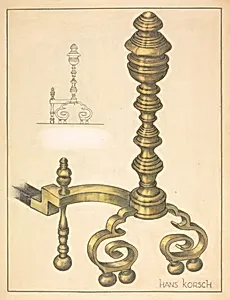
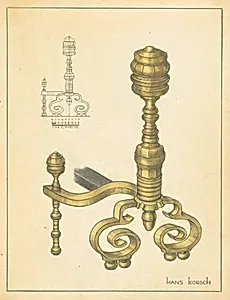
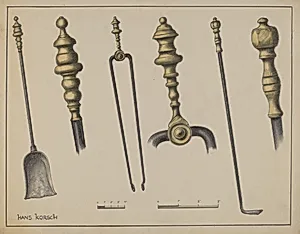
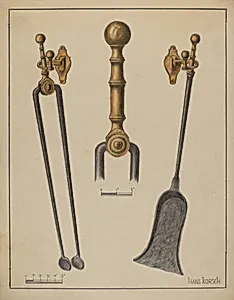
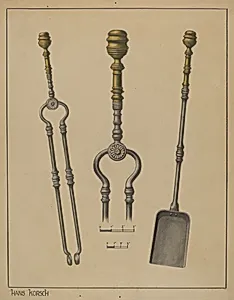
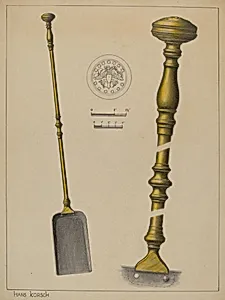
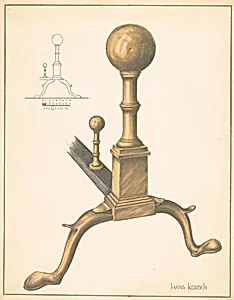
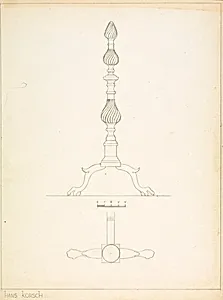
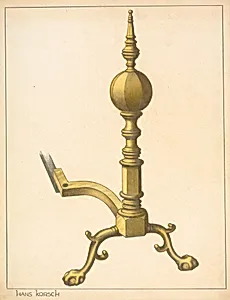
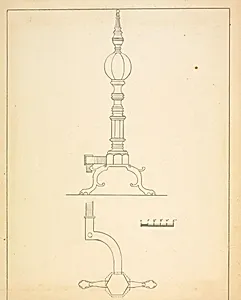
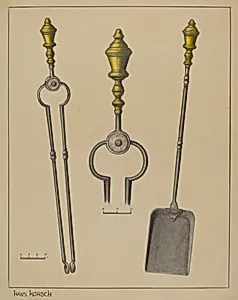
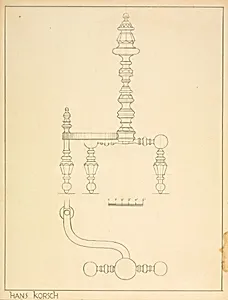
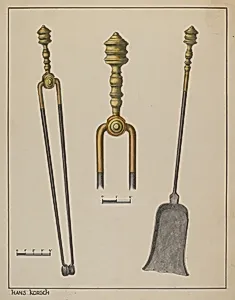
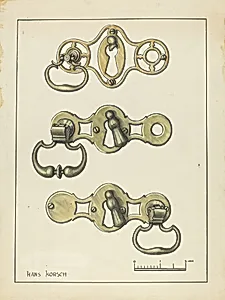
Hans Korsch was an American artist active during the mid-20th century, primarily around 1935 to the early 1950s, best known for his contributions to the Index of American Design, a Federal Art Project initiative under the Works Progress Administration (WPA). This ambitious New Deal program employed artists to document everyday American folk art and design objects through precise watercolor renderings, preserving a visual record of the nation's material culture amid the Great Depression. Korsch produced approximately 50 such works, all housed in the National Gallery of Art's collection, focusing on utilitarian items that evoke colonial and early American craftsmanship.
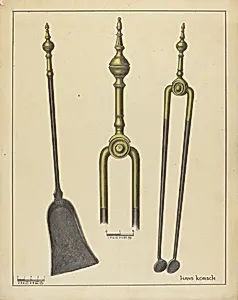
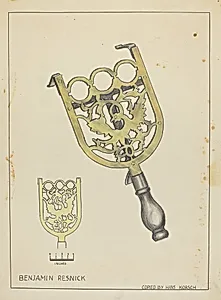
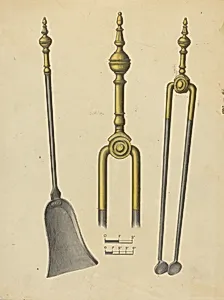
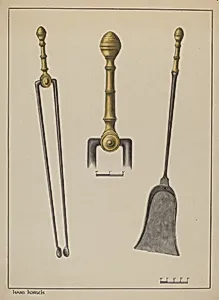
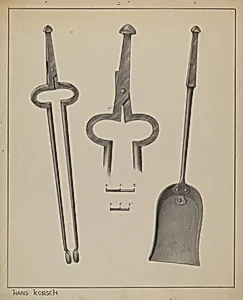
Little is known about Korsch's early life or formal training, as biographical details remain sparsely documented. His output aligns with the Index's emphasis on technical accuracy rather than personal expression, executed in watercolor, graphite, pen and ink on paperboard. These pieces capture the textures and forms of objects like fireplace andirons, fire tongs and shovels, trivets, Betty lamps, and door handles with meticulous realism—highlighting wrought iron curves, polished metals, and wooden handles in soft, earthy tones. Notable examples include *Andiron (one of pair)* (c. 1936–1939), *Fire Tongs and Shovel* (c. 1937–1939), and *Trivet* (c. 1939), dated between 1935/1942 and as late as c. 1953, demonstrating his skill in rendering three-dimensionality and subtle lighting on functional heirlooms.
Korsch's work exemplifies the democratic spirit of the WPA art projects, bridging art history and cultural anthropology by elevating anonymous crafts to artistic study. Though he did not align with a specific school or movement beyond the Index's documentary tradition, his renderings endure as vital references for scholars of American design, influencing later folk art revivals and museum exhibitions. Today, his portfolio stands as a testament to the unsung artists who chronicled the nation's vernacular heritage, ensuring these everyday artifacts live on in vivid detail.(312 words)