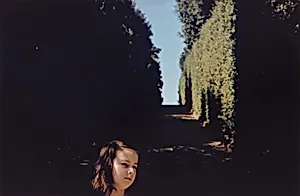
Harry Morey Callahan (1912–1999) was a pioneering American photographer whose self-taught ingenuity transformed everyday scenes into profound visual poetry. Born in Detroit, Michigan, he briefly studied engineering at Michigan State University before working at Chrysler, where he joined the company camera club. In 1938, Callahan took up photography as a hobby, but a 1941 lecture by Ansel Adams inspired him to pursue it artistically. Lacking formal training, he was nevertheless invited by László Moholy-Nagy in 1946 to teach at the Institute of Design in Chicago—formerly the New Bauhaus—where he became department head in 1949, immersing himself in Bauhaus principles of form, light, and experimentation.)
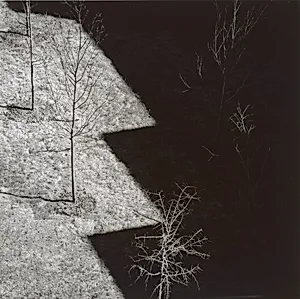
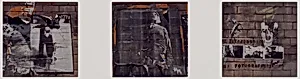
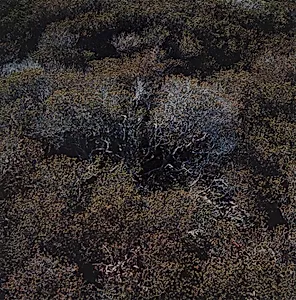
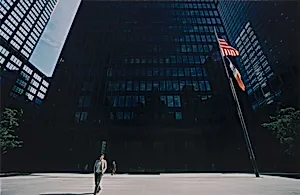
Callahan's style blended modernist abstraction with personal documentary impulses, emphasizing line, texture, and multiple exposures to capture urban architecture, landscapes, and intimate portraits. Working in the Institute of Design tradition, he produced iconic Chicago images like *Chicago* (1948) and *Chicago* (c. 1950), as well as early experiments such as *Grasses in Snow—Calligraphy* (1943). His wife, Eleanor, whom he married in 1936 after meeting on a blind date, served as his primary muse from 1947 to 1960; he photographed her in myriad states—nude, pregnant, with their daughter Barbara (born 1950)—on streets, in landscapes, and through innovative overlays, as in *Eleanor, Aix-en-Provence* (1958). These works reveal a lyrical formalism that elevated the ordinary.)
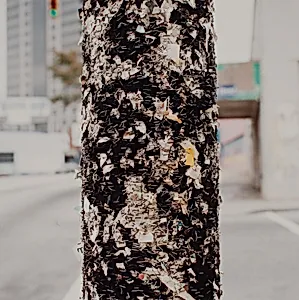
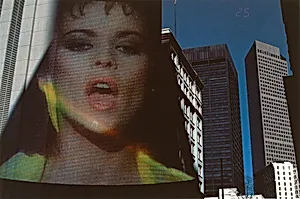
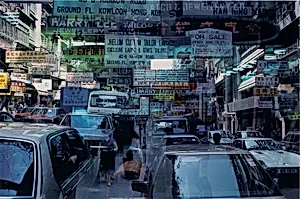
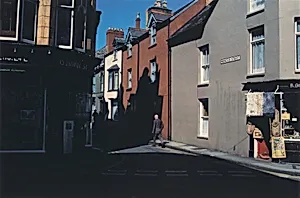
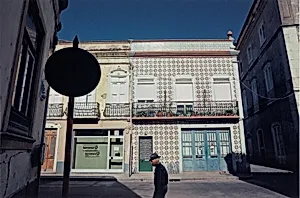
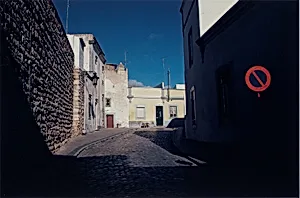
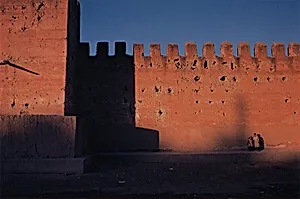
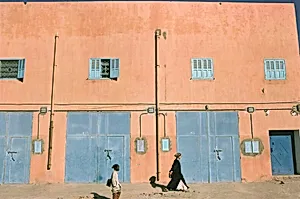
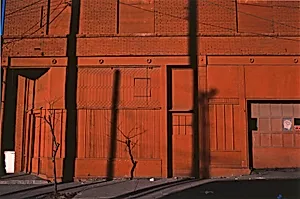
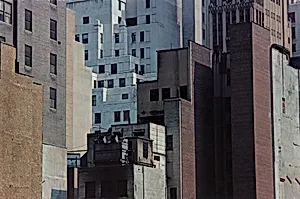
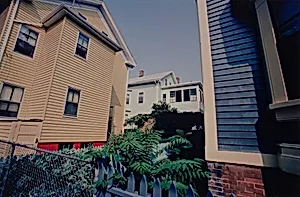
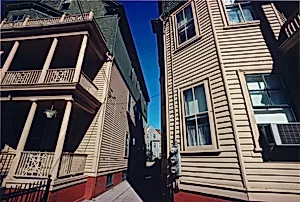
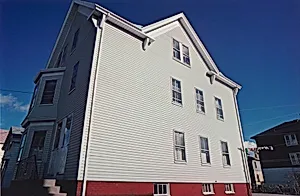
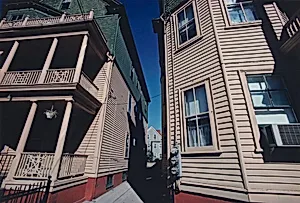
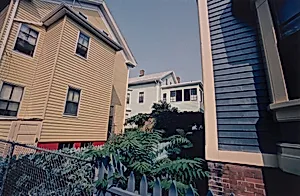
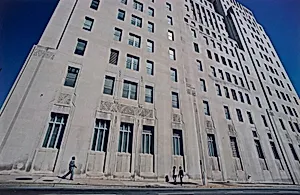
In 1961, Callahan moved to the Rhode Island School of Design, where he chaired the photography department until 1977, mentoring luminaries like Ray K. Metzker and Emmet Gowin. Later, he pioneered color photography, producing vivid series like *New Color Photographs, 1978–1987* and *Water’s Edge* (1980). His legacy endures through retrospectives at the Museum of Modern Art (1976) and National Gallery of Art (2011), the National Medal of Arts (1996), and vast holdings in major collections—including 191 works at the National Gallery of Art—affirming his role in expanding photography's expressive boundaries.)