Ctrl K
1855
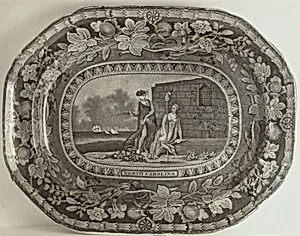
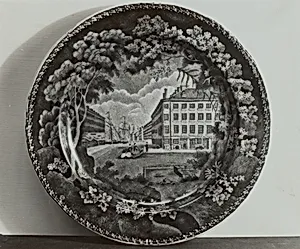
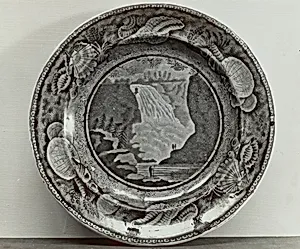
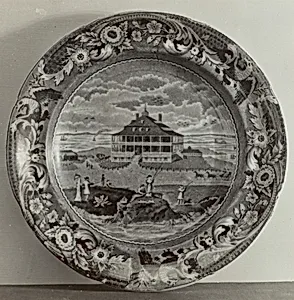
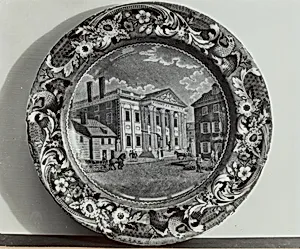
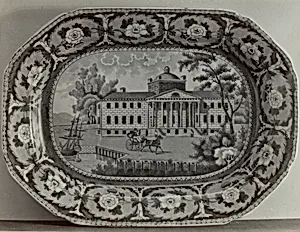
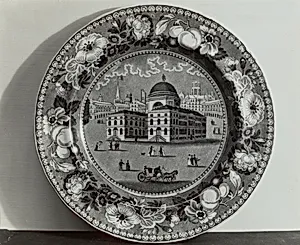
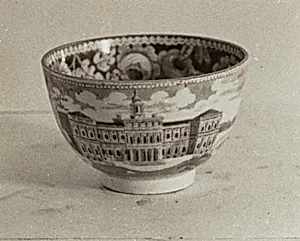
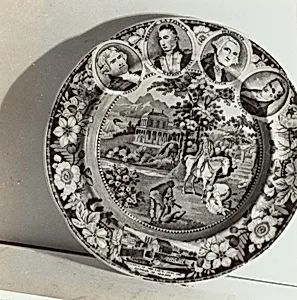
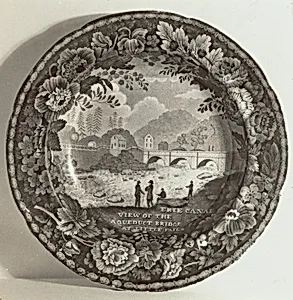
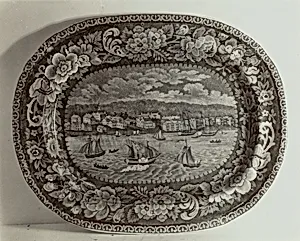
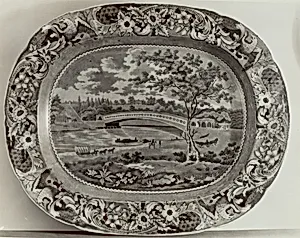
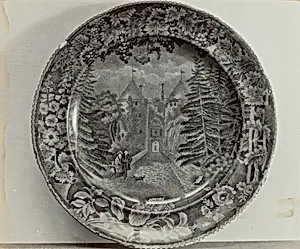
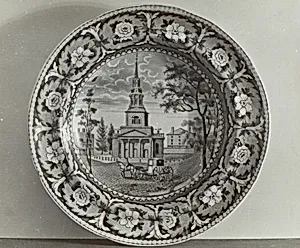
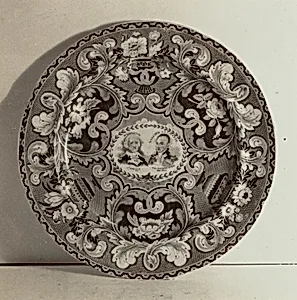
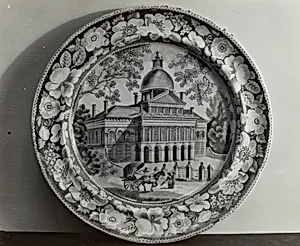
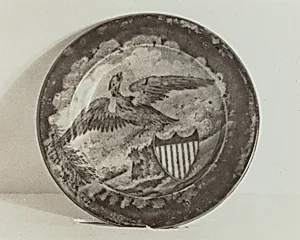
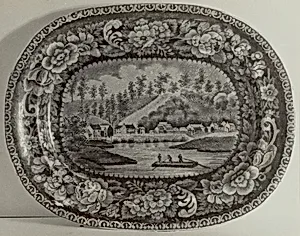
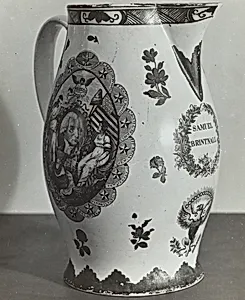
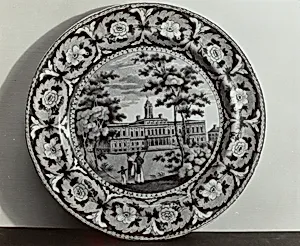
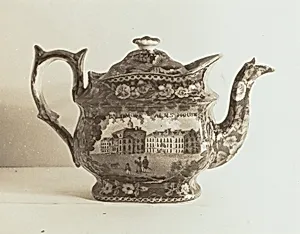
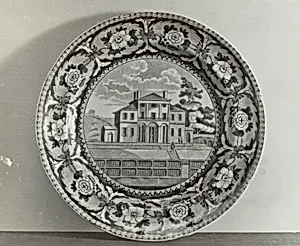
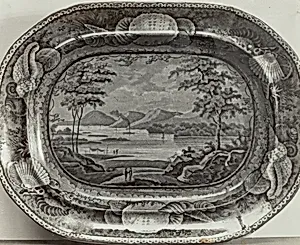
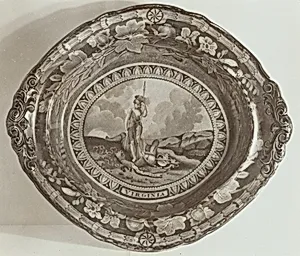
Helmut Hiatt was an American photographer active in the mid-1930s, best known for his contributions to the Index of American Design, a monumental Federal Art Project under the Works Progress Administration (WPA). This ambitious New Deal initiative sought to document and celebrate the nation's folk arts and crafts through detailed renderings and photographs, capturing the essence of everyday American creativity. Hiatt's work focused on ceramic objects—plates, platters, cups, and jugs—often hand-painted with historical scenes, landmarks, and patriotic motifs. His precise black-and-white photographs, typically measuring 8 x 10 inches, meticulously recorded these artifacts, preserving their intricate details for future generations. The National Gallery of Art holds 85 of his images, forming a comprehensive archive of this overlooked decorative tradition.
Little is known about Hiatt's early life or formal training, as biographical details remain sparsely documented. No records of specific teachers, art schools, or mentors have surfaced, suggesting he may have honed his skills through practical experience during the Great Depression era. His artistic style was documentary in nature, prioritizing technical clarity over artistic flourish to serve the Index's scholarly goals. Hiatt worked in the tradition of the Federal Art Project's photographic survey, emphasizing geometric compositions, fine textures of painted ceramics, and evocative subjects like urban skylines and natural wonders. Among his major works from circa 1936 are the *Platter - "Lake George"*, capturing a scenic vista; *Plate - "New York from Brooklyn Heights"*, evoking the city's grandeur; *Plate - "State House, Boston"*; *Cup - "Hartford Asylum"*; and *Platter - "Washington and Lafayette"*, which highlights historical figures. Other notable pieces include *The Campus Plate*, *Platter - "Hudson River"*, and *Plate - "Insane Hospital, Boston"*, each revealing regional pride through folk pottery designs.
Hiatt's legacy endures through his role in safeguarding America's material culture at a time of economic hardship. By photographing hundreds of utilitarian yet artistically vibrant objects—many now lost—his images in the Index of American Design have informed art history, museum curation, and public appreciation of vernacular crafts. Displayed in institutions like the National Gallery of Art, they underscore the WPA's cultural impact, blending photography with historical preservation to affirm the artistic value of ordinary American life.