Ctrl K
1580–1648
**Hendrick Goudt** (c. 1583 – 17 December 1648) was a Dutch Golden Age painter, printmaker, and draftsman renowned for his landscapes and religious subjects in the Baroque style. Born in The Hague to Arend Goudt and Anneken Cool, he came from a family of high officials and nobility; his grandfather held prominent positions, and he was the nephew and heir of Willem Goudt, steward of the States of Holland. His father received ennoblement from Henri IV in 1596, granting Hendrick titles such as Ridder, Heere van Noortnieuwlant.
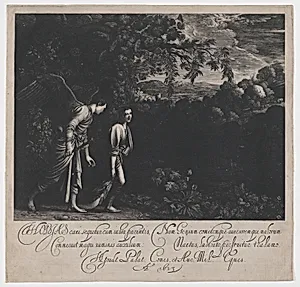
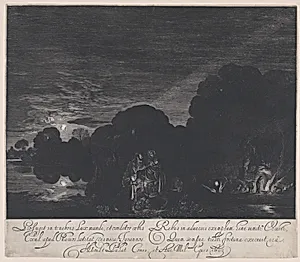
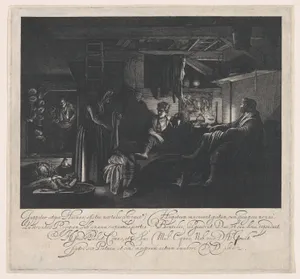
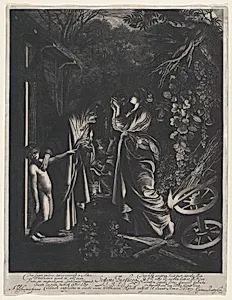
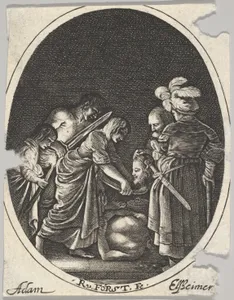
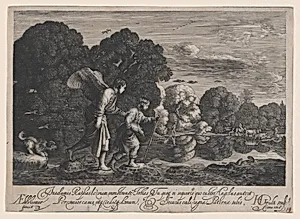
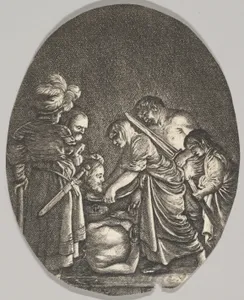
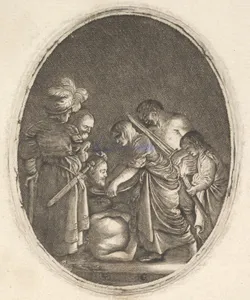
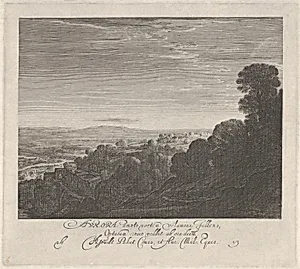
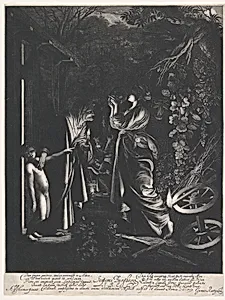
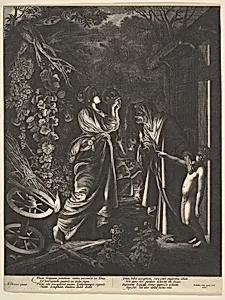
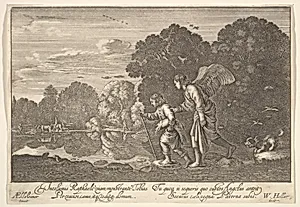
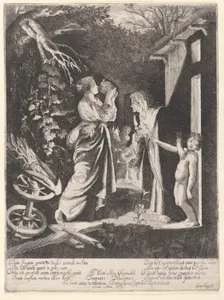
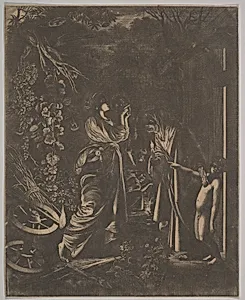
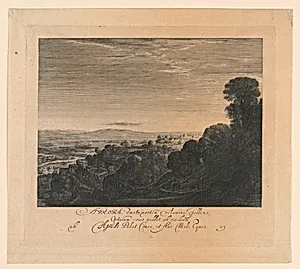
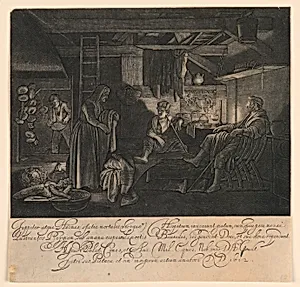
Goudt studied under the German painter Adam Elsheimer in Rome, where he lived in the master’s household from around 1604 until Elsheimer’s death in 1610. He worked closely with Elsheimer, producing engravings and paintings after his compositions while also serving as a patron. Upon returning to the Netherlands, Goudt settled in Utrecht, joining the newly founded Utrecht Guild of Saint Luke in 1611. There he created a notable series of prints after Elsheimer’s paintings, including versions of *The Flight into Egypt* and *Jupiter and Mercury in the House of Philemon and Baucis* (1612), which helped popularize the German artist’s work in Northern Europe.
Goudt’s own output remained deeply shaped by Elsheimer’s luminous, intimate approach to landscape and narrative scenes, often rendered in oil or as detailed engravings. He also painted copies of Elsheimer’s works that he brought back from Italy. Later in life, Goudt suffered from mental illness; contemporary accounts, including his father’s 1625 will, note that he had been incapacitated for years, though he could still discuss art coherently until his death in Utrecht.
Today Goudt is remembered primarily for his reproductive prints that preserved and disseminated Elsheimer’s innovative style, bridging Italian and Northern European traditions during the Dutch Golden Age. His noble background and artistic connections underscore the intersections of patronage, printmaking, and painting in early seventeenth-century Utrecht.