Ctrl K
1803–1874
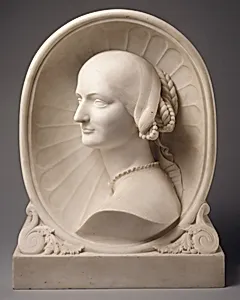
Baron Henri Joseph François de Triqueti (also known as Henry de Triqueti) was a prominent French sculptor, painter, and writer on art, born on 24 October 1803 in Conflans-sur-Loing in the Loiret region. The son of a wealthy Piedmontese industrialist and diplomat, he enjoyed a privileged upbringing with a thorough classical education. He trained as a painter under Louis Hersent before turning to sculpture, exhibiting at the Paris Salon from 1831 onward and earning a medal for his debut sculptural work.
Triqueti emerged as a leading figure among the Romantic sculptors of his generation, rejecting the strict Neo-classical doctrines of the École des Beaux-Arts in favor of inspiration from medieval and early Renaissance sources, particularly Florentine portrait traditions. His style emphasized narrative depth, refined detail, and emotional expressiveness across media including marble, bronze, and wood. Major commissions included the celebrated bronze bas-reliefs for the doors of the Church of the Madeleine (commissioned 1834, installed 1841), which brought him widespread acclaim and the Legion of Honour in 1842. He also created the effigy for the tomb of Ferdinand, Duke of Orléans, in 1842, and contributed crucifixes to Napoleon’s tomb at the Invalides.
His career flourished under the patronage of the Orléans family and extended to England, where he became known as a sculptor to Queen Victoria. In 1834 he married Julia Forster, granddaughter of the British neo-classical sculptor Thomas Banks; the couple had a daughter, Blanche, and a son, Édouard. Later in life, Triqueti formed a relationship with the English sculptor Susan Durant, with whom he had a son, Henry Paul Harvey (later Sir Paul Harvey), who achieved distinction as a civil servant and author of the Oxford Companion to English Literature. Triqueti died in Paris on 11 May 1874, leaving a legacy as one of the foremost sculptors bridging French Romanticism and Victorian taste through his innovative, historically informed works.
All 3 artworks loaded