Ctrl K
1846–1897
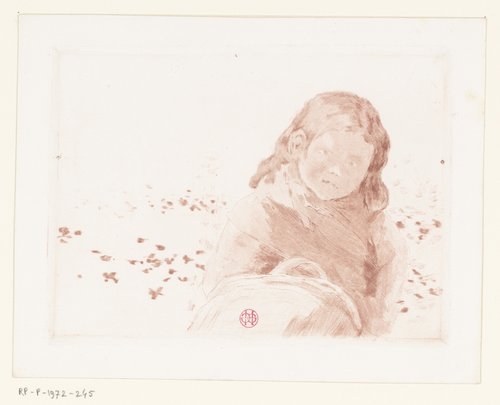
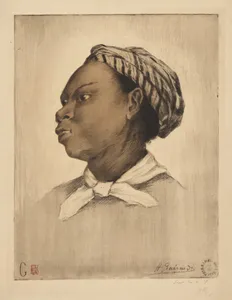
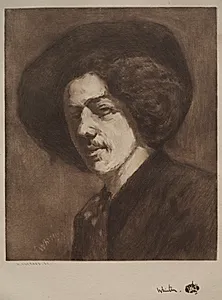
Henri-Charles Guérard (1846–1897) was a French printmaker and painter who became one of the leading figures of the etching revival that swept through France and Britain in the second half of the nineteenth century. Born in Paris, he trained in the city's vibrant artistic milieu and developed close friendships with the Impressionist circle, most notably Édouard Manet and Eva Gonzalès, whom he married in 1879. These relationships profoundly shaped his aesthetic sensibility, drawing him toward the modern, the immediate, and the beautifully observed.
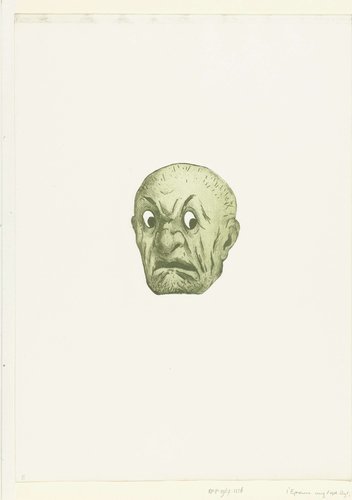
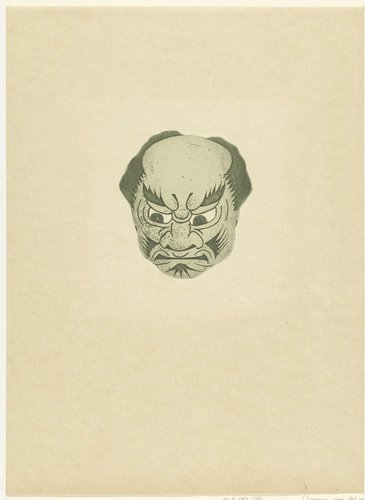
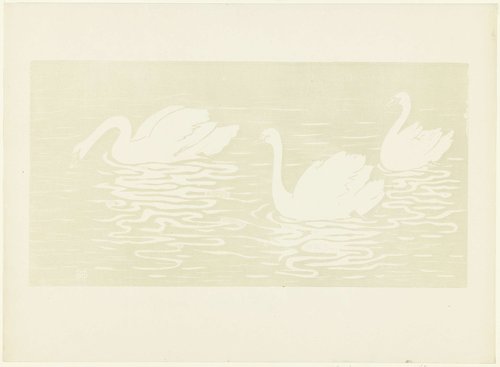
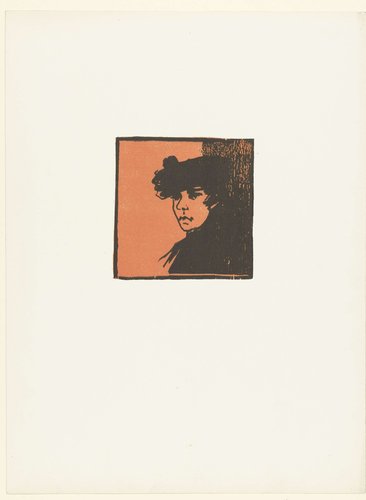
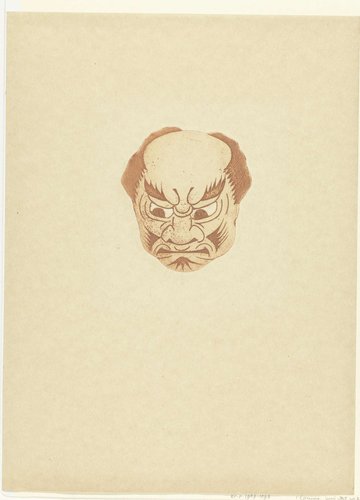
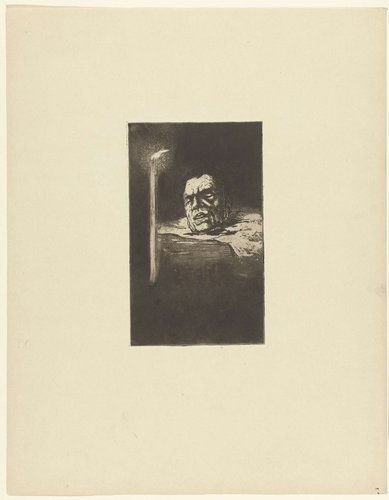
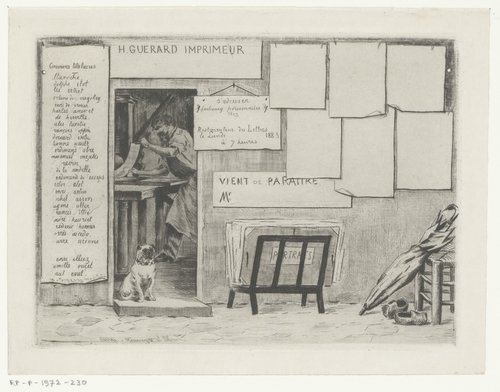
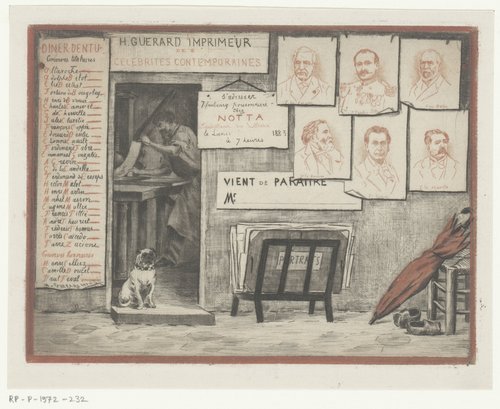
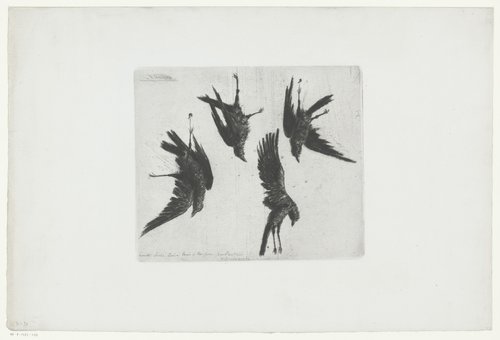
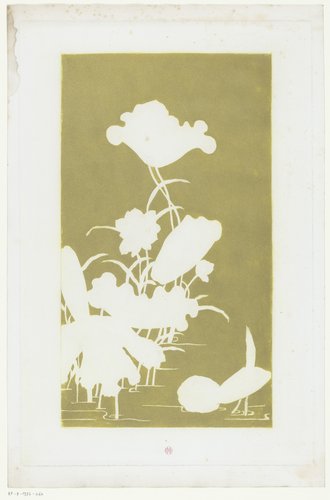
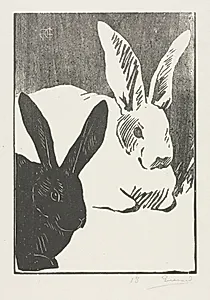
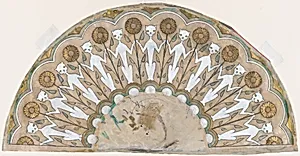
Guérard's work spans an impressive range of printmaking techniques, including etching, aquatint, and woodcut, and he embraced the Japanese aesthetic that was sweeping Parisian avant-garde culture during the 1880s. The influence of ukiyo-e — with its bold contours, flat areas of tone, and asymmetrical compositions — is readily apparent in his decorative prints and illustrated works. He combined this japonisme with a distinctly French wit and intimacy, producing images of café life, fashionable women, and domestic interiors that feel both contemporary and timeless.
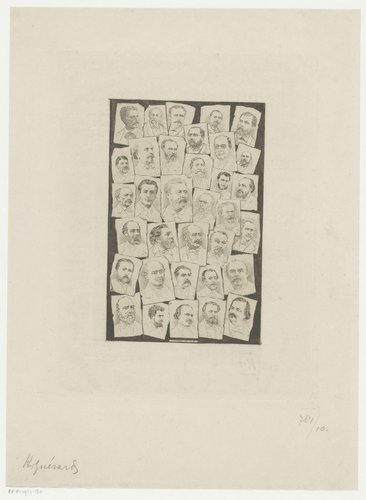
Beyond his independent printmaking, Guérard played a crucial role as a collaborator and technical advisor. He worked extensively with Édouard Manet, helping the painter translate several of his celebrated compositions into print form, and his deep knowledge of intaglio processes made him an invaluable resource to the broader Impressionist community. His own prints — nimble, freely worked, and full of personality — were widely exhibited and collected during his lifetime.
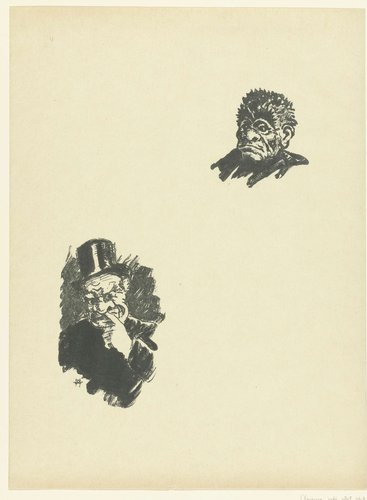
Though Guérard died relatively young at fifty-one, he left behind a body of work that illuminates the crossroads of Impressionism and the printmaking revival. His prints are held in major collections across Europe and North America, and they continue to be appreciated as elegant records of fin-de-siècle Parisian life as well as technical achievements in their own right.