Ctrl K
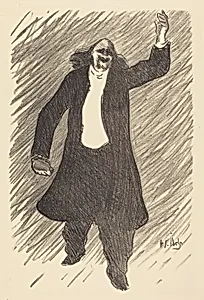
1867–1936
Henri-Gabriel Ibels (1867–1936) was a French illustrator, printmaker, painter, and author born in Paris to parents of Dutch ancestry. His early life remains sparsely documented, but he trained at the Académie Julian alongside fellow students Pierre Bonnard and Édouard Vuillard, where Paul Sérusier mentored him into the nascent Nabis group. In 1889, Ibels became a founding member of Les Nabis alongside Bonnard, Vuillard, Maurice Denis, Paul Sérusier, and others, embracing their mission to integrate art into everyday life through symbolism, abstraction, and decorative innovation.
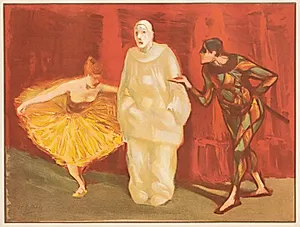
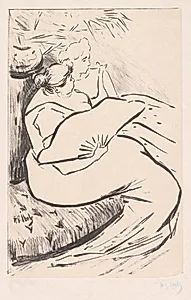
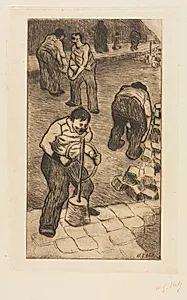
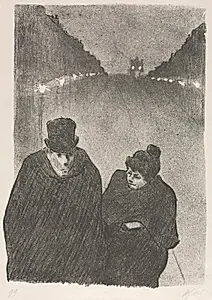
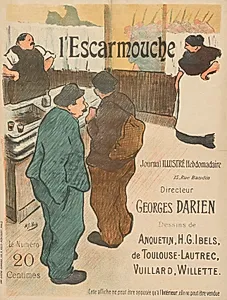
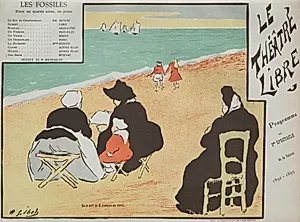
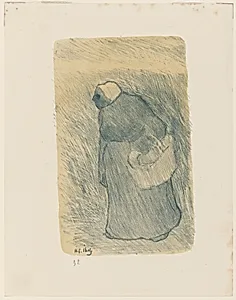
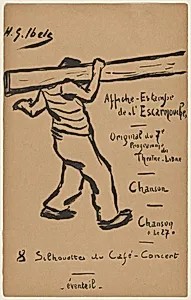
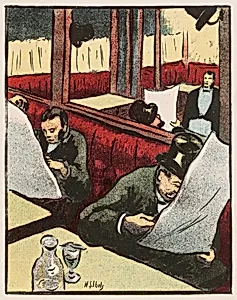
Ibels developed a distinctive graphic style characterized by bold, precise contour lines, vibrant colors, and simplified forms, drawing from Japanese woodcuts, Honoré Daumier, Paul Gauguin, and the Pont-Aven School. He captured the vibrancy of Belle Époque Paris—café-concerts, circuses, boxing rings, clowns, acrobats, and working-class bistros—with a satirical edge, earning the nickname "le Nabis journaliste" for his socially engaged imagery. A close friend and collaborator of Henri de Toulouse-Lautrec—who began lithography at Ibels' urging and served as godfather to his son—he co-created the 1893 album *Le Café-Concert* featuring music-hall portraits and contributed to short-lived publications like *L'Escarmouche* (1893–94).
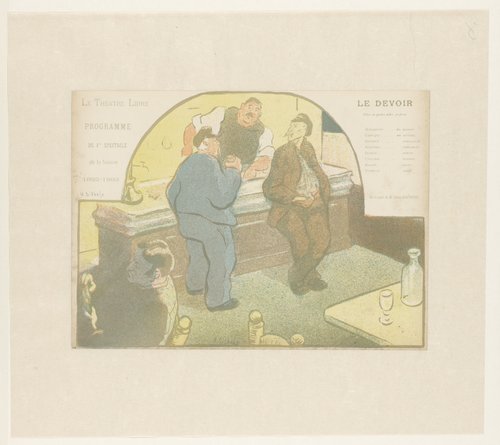
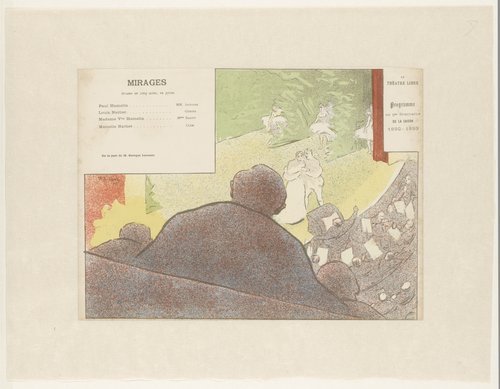
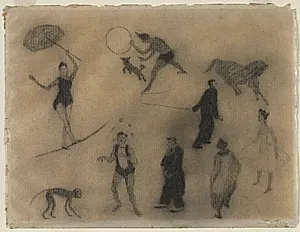
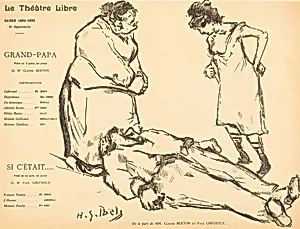
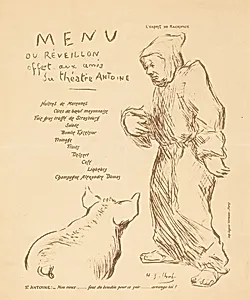
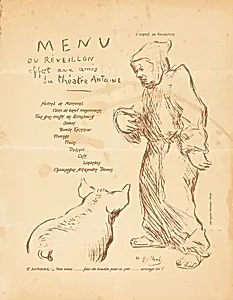
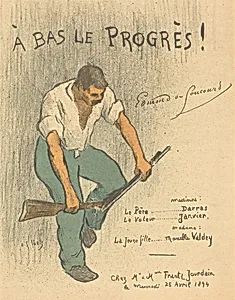
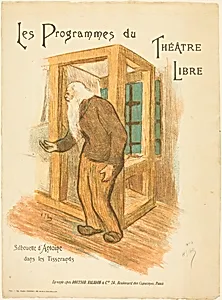
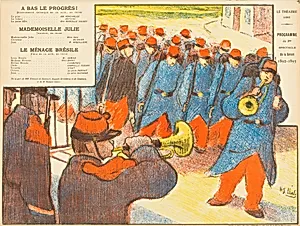
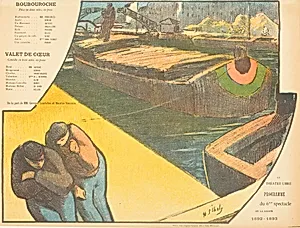
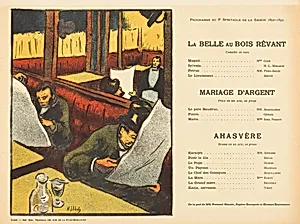
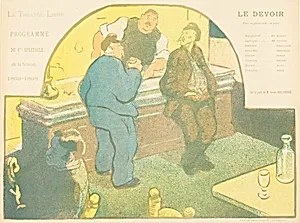
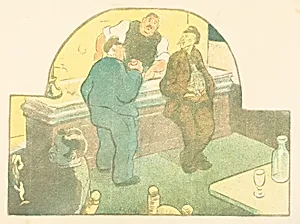
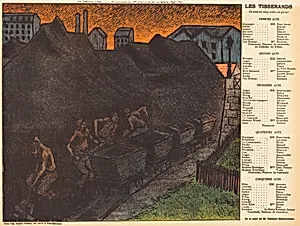
Among his major works are the *Circus Fan* (ca. 1893–95), a lithograph on silk evoking Cirque Fernando performers; posters like *Mévisto* (1892) and the first *Salon des Cent* exhibition (1893); eight color lithographs for Théâtre Libre programs (1892–93); and stained-glass designs exhibited in 1895. Politically active as a Dreyfusard and libertarian, he illustrated anarchist journals alongside his brother André Ibels and supported theater innovators like André Antoine.
Ibels' legacy endures as a pioneer of multi-chromatic lithography, advancing its use in posters, books, and theater. His works grace collections at the Art Institute of Chicago, MoMA, the Metropolitan Museum, and others, influencing modern graphic arts while reflecting Paris's social pulse. Married to Ida Eugénie Delaporte in 1893, he lost his son Robert in World War I; he died in Paris at 68.