Ctrl K
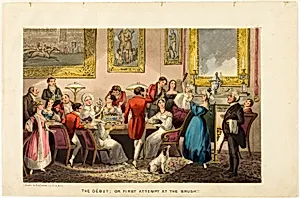
1785–1851
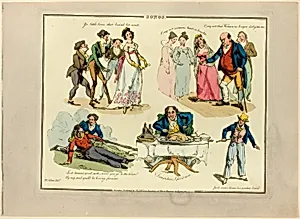
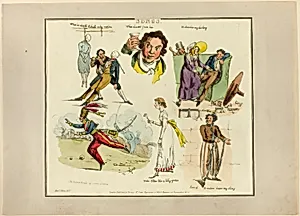
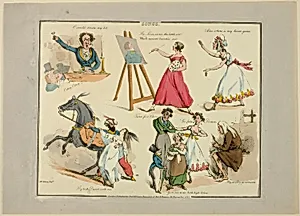
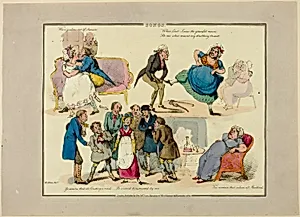
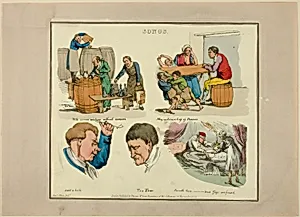
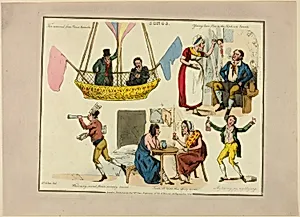
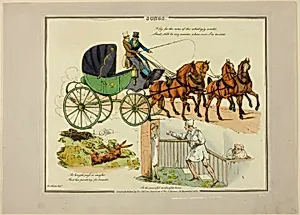
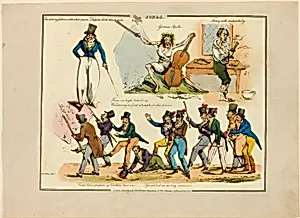
Henry Thomas Alken (1785–1851) was a British sporting artist and illustrator who became the most popular and prolific painter of hunting, racing, and coaching scenes in early nineteenth-century England. Born in London, he was the son of the sporting artist Samuel Henry Alken and received his earliest training from his father. He also studied briefly with the miniaturist John Thomas Barber Beaumont.
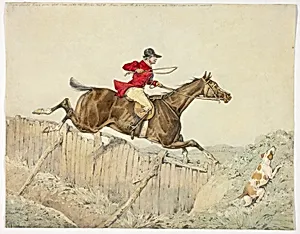
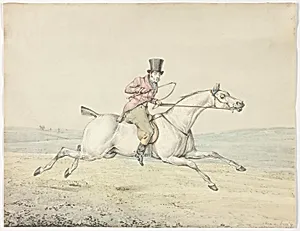
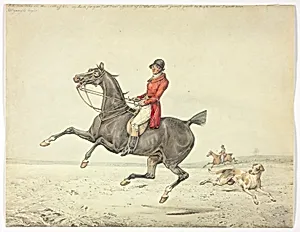
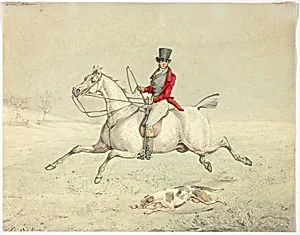
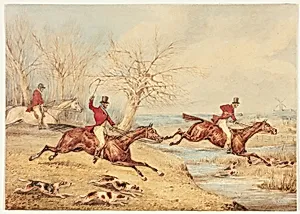
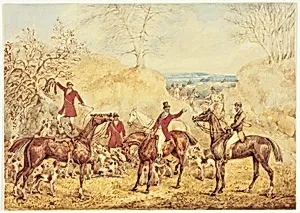
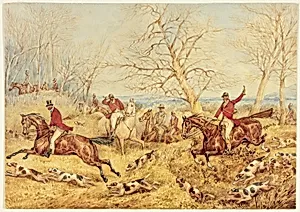
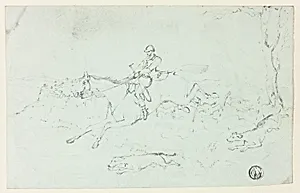
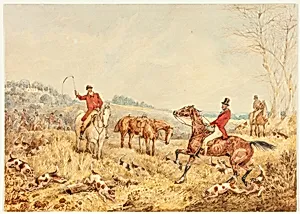
Alken's specialty was the depiction of English country pursuits — fox hunting, steeplechasing, shooting, fishing, and coaching — rendered with lively humor, energetic movement, and an intimate knowledge of horses, hounds, and the rituals of the sporting field. His hunting scenes capture the excitement, comedy, and occasional disaster of the chase with an immediacy and narrative verve that endeared him to a wide public.
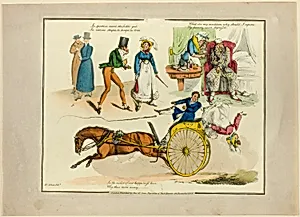
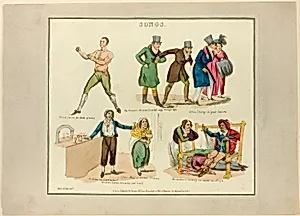
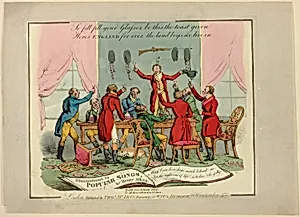
He was enormously productive, publishing numerous illustrated books and series of sporting prints that were widely reproduced as aquatints and colored engravings. His publications include "The National Sports of Great Britain" (1821), "Qualified Horses and Unqualified Riders" (1815), and many others that became staples of English country house decoration. His illustrations combine accurate observation of equine anatomy and sporting technique with a comic sensibility that distinguished them from the more austere sporting art of George Stubbs.
Alken's prints and paintings remain highly collectible and continue to define the popular image of Regency-era English sporting life. His work is held by the Yale Center for British Art, the Tate, the Victoria and Albert Museum, and numerous private sporting art collections.