Ctrl K
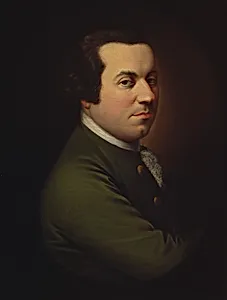
1743–1812
**Henry Benbridge** (October 1743 – February 1812) was an American portrait painter born in Philadelphia as the only child of James and Mary (Clark) Benbridge. After his father’s death, his mother remarried wealthy Scottish merchant Thomas Gordon when Benbridge was seven; the family encouraged his artistic talents, and he may have received early instruction from English painter John Wollaston. At age twenty-one, he traveled to Italy, where he studied under Pompeo Batoni and Anton Raphael Mengs, absorbing the techniques of the late Italian masters.
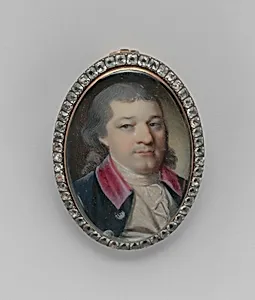
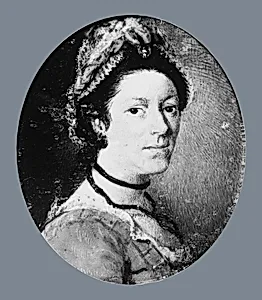
In 1769, while still abroad, Benbridge received a commission from James Boswell to paint Corsican leader Pasquale Paoli; the resulting portrait was exhibited at London’s Free Society of Artists and reproduced in mezzotint. In England he benefited from the encouragement of fellow American expatriate Benjamin West, who praised his talent and introduced him to artistic circles. Benbridge returned to Philadelphia in 1770, married miniaturist Hetty Sage, and was elected to the American Philosophical Society. One of his early masterpieces is the large group portrait of the Gordon family.
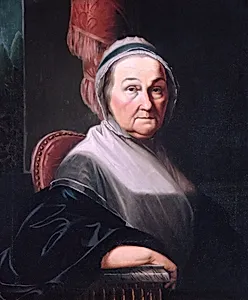
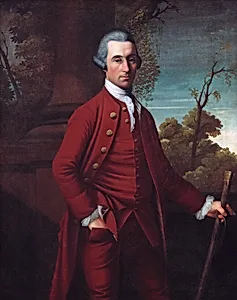
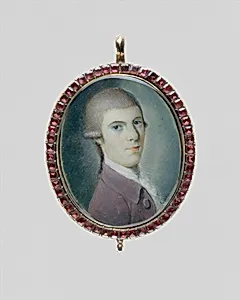
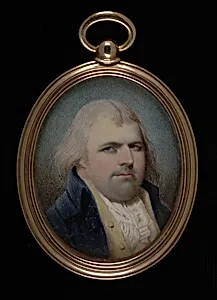
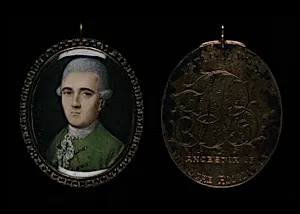
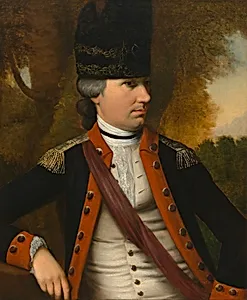
Seeking relief from asthma, he relocated to Charleston, South Carolina, around 1774, succeeding Jeremiah Theus as the region’s leading portraitist. There he produced numerous likenesses of prominent Southern figures, including Charles Cotesworth Pinckney and members of the Middleton and Allston families; several of these works were later misattributed to John Singleton Copley. Around 1800 he moved to Norfolk, Virginia, where he gave Thomas Sully his first lessons in oil painting. Benbridge’s solid drawing, rich black-and-white values, and Italianate palette—marked by the brownish tones of Batoni—earned him a solid reputation in the Mid-Atlantic and Southern states during his lifetime.
Benbridge’s legacy rests on his role as one of the earliest native-born American artists to study abroad and exhibit in Europe, bridging colonial portrait traditions with European academic training. His works are held in major collections, including the Smithsonian American Art Museum, the Philadelphia Museum of Art, and the Winterthur Museum, preserving vivid records of Revolutionary-era figures and families.