Ctrl K
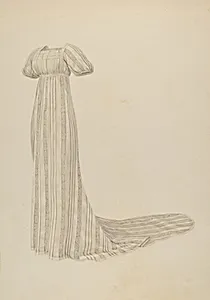
Henry De Wolfe is an artist whose name appears in museum collections attached to a body of work that points to a real and productive career, even though the biographical information that would situate him within a specific national tradition or artistic lineage has not been adequately preserved in the sources currently available to researchers. His surname, with its aristocratic French particle, suggests possible European ancestry or connections, though this remains speculative.
De Wolfe appears to have worked during an era when the boundaries between fine art, applied art, and commercial illustration were actively contested and frequently crossed by working artists seeking both creative satisfaction and economic viability. Artists of this profile often received training through a combination of formal instruction — at national schools, academies, or private ateliers — and practical experience gained through working in studios, contributing to periodicals, or undertaking commissions that required both technical facility and adaptability to varied subjects and formats.
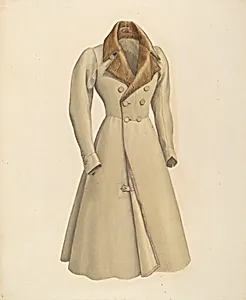
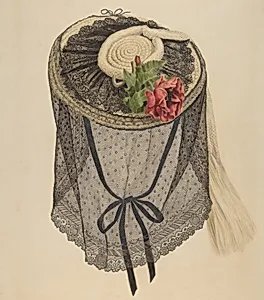
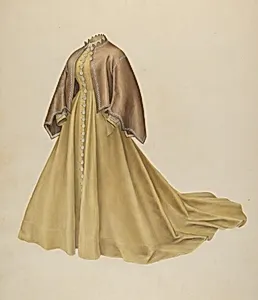
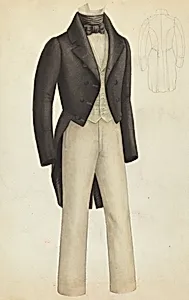
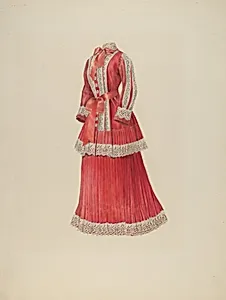
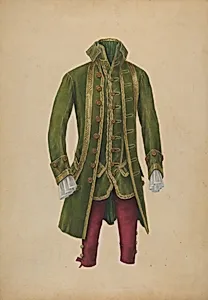
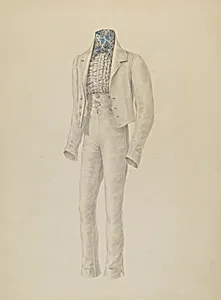
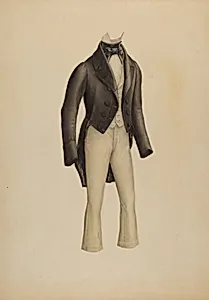
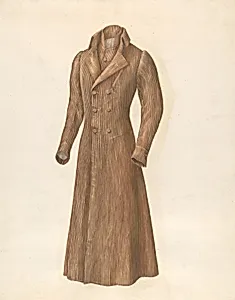
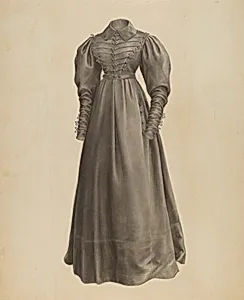
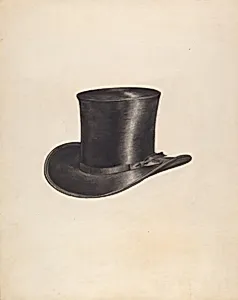
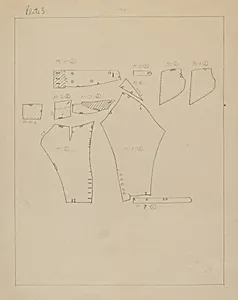
The forty works attributed to De Wolfe in institutional collections represent a sustained body of output, the product of consistent engagement with his craft over what was presumably a career of meaningful duration. Whatever his specific medium and subject matter, the survival of this work across museum holdings suggests that it was valued enough in its own time to be acquired and preserved, a testament to the quality and relevance of what he produced.
Henry De Wolfe's story awaits the patient work of archival recovery. Estate records, exhibition catalogues, artist society membership lists, and period publications may together provide the biographical scaffolding that standard references have not yet assembled, allowing this artist's work to be seen in its proper historical context.