Ctrl K
1844–1903
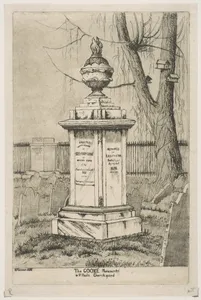
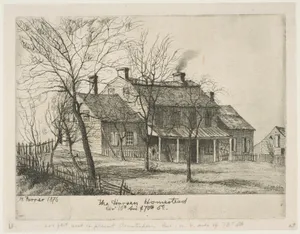
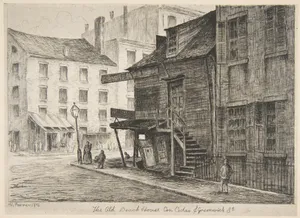
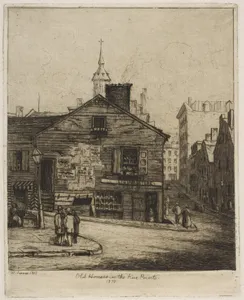
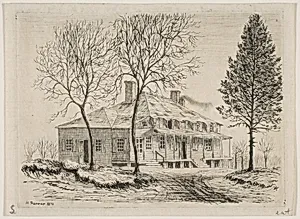
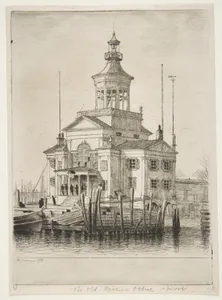
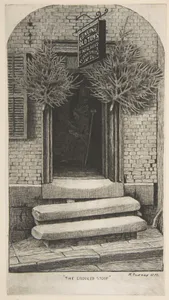
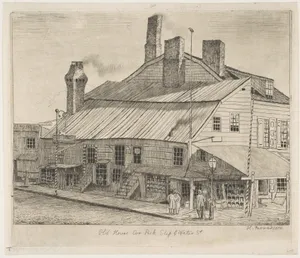
Henry Farrer (1843–1903) was a British-born American etcher and watercolorist who played a significant role in the development of the etching revival in the United States during the latter half of the nineteenth century. Born in London, Farrer emigrated to the United States, where he became a founding member of the New York Etching Club in 1877, an organization that brought together American printmakers committed to establishing etching as a serious fine art medium in the country.
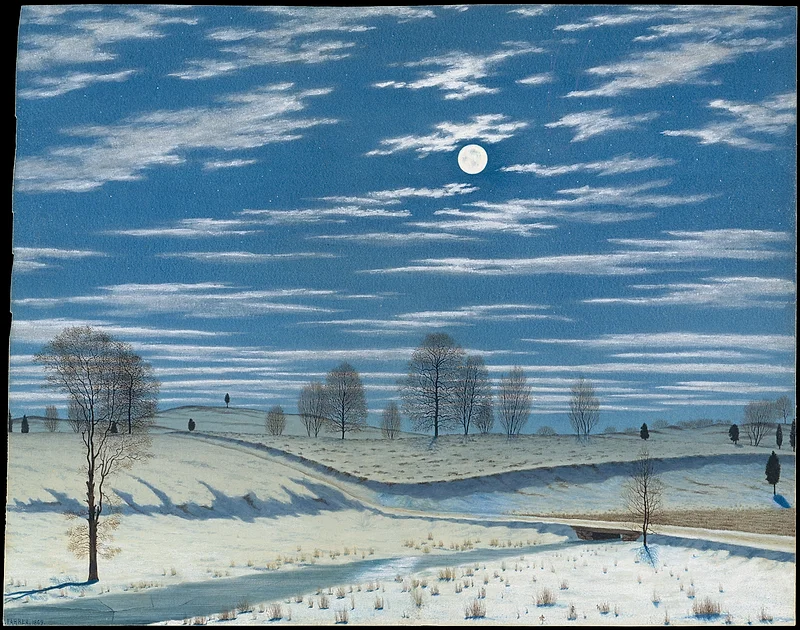
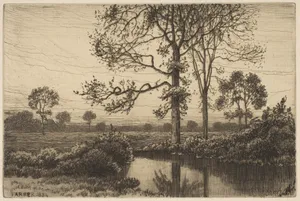
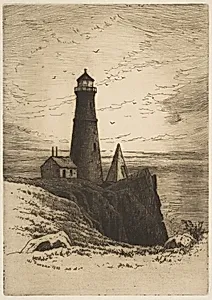
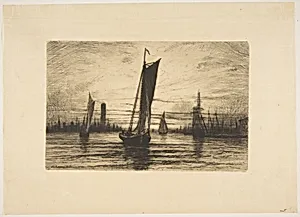
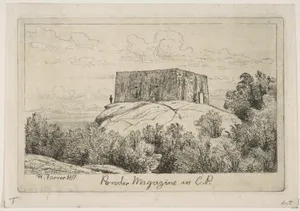
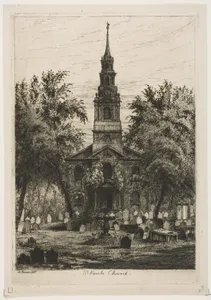
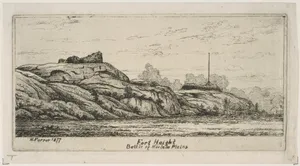
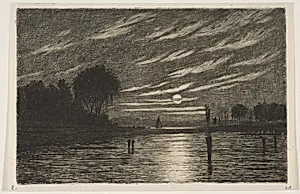
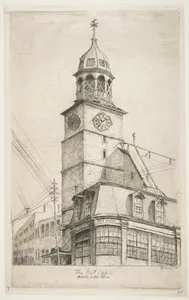
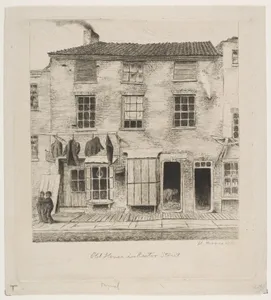
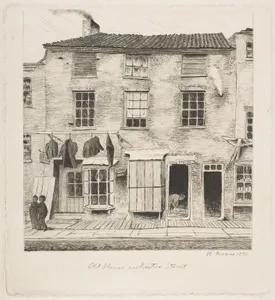
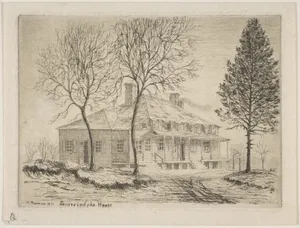
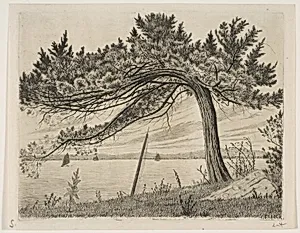
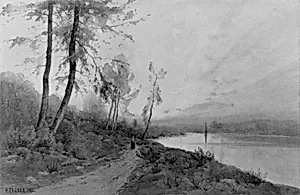
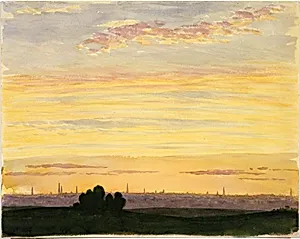
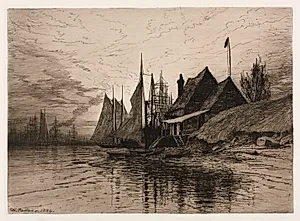
Farrer's work is distinguished by its delicate, atmospheric quality, particularly in his treatment of landscape and seascape subjects. His etchings of harbor scenes, rivers, and the natural environment of the American Northeast reflect the influence of the broader Tonalist sensibility of his era, with an emphasis on mood, light, and the quiet poetry of the natural world. His watercolors, similarly, display a refined sensitivity to atmospheric effect.
As both a practicing artist and an active participant in the institutional life of American printmaking, Farrer contributed to the growing legitimacy of etching as a creative medium in the United States. His work was exhibited widely during his lifetime and helped to shape the aesthetic standards of the American etching community in its formative years.
Though less celebrated today than some of his contemporaries, Farrer's etchings are valued by print historians and collectors as refined examples of the American etching revival, and his organizational contributions to the New York Etching Club remain a noteworthy chapter in the history of American art institutions.