
Ctrl K
1623–1637
Henry Smith was a skilled British instrument maker active in London during the early seventeenth century. His documented working period spans from 1623 to around 1637, a remarkably focused career that produced finely crafted viols prized for both their musical function and decorative artistry. Little is known of his early life or formal training, yet his surviving instruments demonstrate mastery of the English viol-making tradition, characterized by elegant proportions, rich varnishes, and precise inlay work that enhanced both sound and visual appeal.
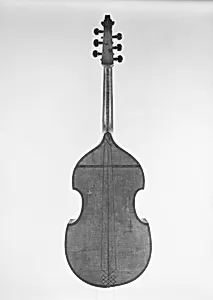
Smith’s most notable surviving work is a division viol dated 1629, now in the collection of the Metropolitan Museum of Art. This instrument exemplifies the sophisticated craftsmanship of the period, featuring a beautifully figured maple back, a spruce top, and ornate purfling that highlights its status as both a musical tool and an object of art. Two additional instruments attributed to him are recorded in public and private collections, bringing the total of known works to three and underscoring his productivity despite his brief documented career.
Although biographical details remain sparse, Smith’s output contributed to the rich heritage of English viol making that influenced later generations of luthiers. His instruments continue to be studied for their acoustic qualities and aesthetic refinement, preserving a tangible link to the musical culture of Stuart England. Today they serve as important artifacts in museum collections, illustrating the intersection of craftsmanship, music, and visual art in the seventeenth century.