Ctrl K
1829–1898
Henry Stacy Marks (1829–1898) was born on 13 September 1829 in London, the fourth child of coachbuilder John Isaac Marks and Elizabeth Pally. Initially apprenticed in his father's trade and briefly working as a clerk, Marks displayed early artistic talent, learning to paint heraldry for carriages. He began formal training around 1847 at James Mathews Leigh's art school in Newman Street, where he befriended Philip Hermogenes Calderon, Frederick Walker, and G.A. Storey. In 1851, he enrolled at the Royal Academy Schools, though he won no medals there. The following year, he traveled to Paris with Calderon to study under François-Édouard Picot at his atelier and at the École des Beaux-Arts, returning after five months.
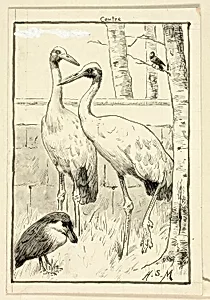
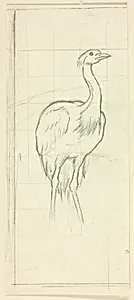
Marks debuted at the Royal Academy in 1853 with *Dogberry Examining Conrad and Borachio* from Shakespeare's *Much Ado About Nothing*, launching a career in historical genre painting influenced by Pre-Raphaelite precision and detail. A founding member of the St John's Wood Clique in 1862 alongside Calderon, Leslie, Storey, Wynfield, and Yeames, he specialized in Shakespearean and medieval themes, often infused with humor. Key early works include *Toothache in the Middle Ages* (1856), *The Franciscan Sculptor and his Model* (1860), and *St Francis Preaching to the Birds* (1870). By the 1870s, he shifted to avian subjects, visiting London Zoo regularly with zookeeper Abraham Dee Bartlett and critic John Ruskin for meticulous studies. Elected Royal Academician in 1878 after exhibiting *Convocation* (depicting storks), his diploma work *Science is Measurement* (1879) humorously portrayed a scientist measuring a stork skeleton. Later masterpieces like *The Convent Raven* (1870), *A Select Committee* (1891, now at Walker Art Gallery), and watercolours of birds solidified his reputation.
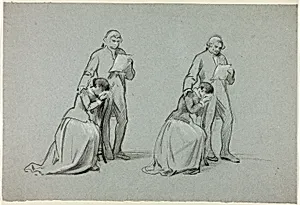
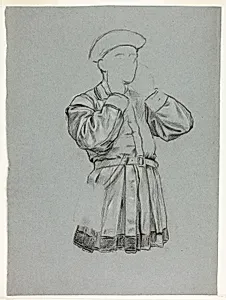
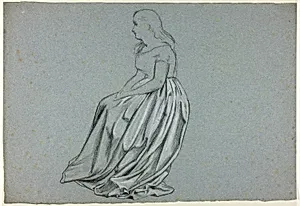
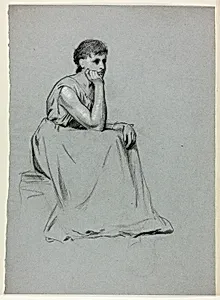
Marks excelled in decorative arts, creating Minton ceramics, Clayton & Bell stained-glass friezes, the Royal Albert Hall's exterior frieze, and extensive panels at Eaton Hall for the Duke of Westminster (1874–1880), including Chaucer's pilgrims and twelve bird studies. He married Helen Drysdale in 1856 (died 1892) and later painter Mary Harriet Kempe in 1893. Publishing his autobiography *Pen and Pencil Sketches* (1894), Marks exhibited annually at the RA until 1897, holding a private bird show in 1888. He died on 9 January 1898 at his Regent's Park home, leaving a legacy as a versatile Victorian artist whose witty bird paintings and medieval scenes continue to charm, with works in collections like the V&A and RA.