Ctrl K
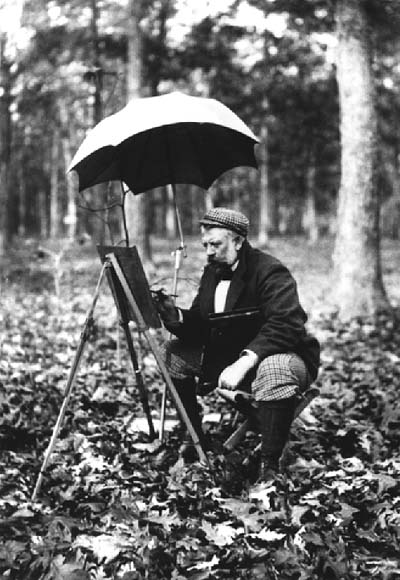
1858–1916
Henry Ward Ranger was born in 1858 in Syracuse, New York, and grew up to become one of the leading American landscape painters of the late nineteenth and early twentieth centuries. He received his early training in the United States before traveling extensively in Europe, where he spent significant time studying in Holland and England. The Dutch Barbizon painters — particularly the Hague School artists who transformed landscape painting through their moody, tonal approach to nature — left a lasting mark on his aesthetic sensibility.
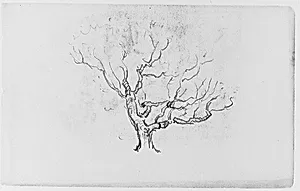
Returning to America imbued with these European influences, Ranger helped establish what became known as the American Barbizon tradition, applying the atmospheric, harmonious color and quiet, meditative mood of the Dutch and French Barbizon movements to distinctly American scenery. In 1899 he discovered the town of Old Lyme, Connecticut, and his enthusiasm for its rolling farmlands, ancient elms, and luminous coastal light led him to encourage other artists to join him there. The resulting Old Lyme art colony became one of the most important centers of American Impressionism, and while Ranger's own work remained closer to the tonal Barbizon tradition than to full-blown Impressionism, his role as the colony's founding spirit was pivotal.
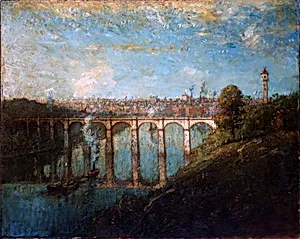
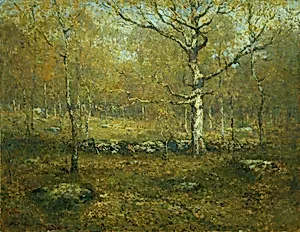
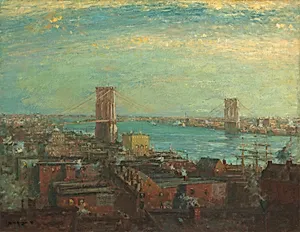
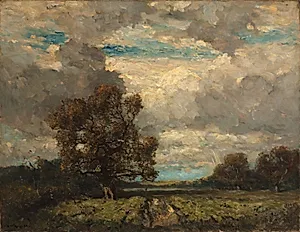
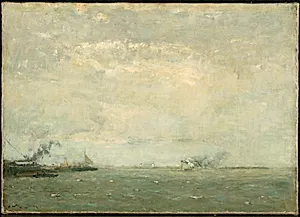
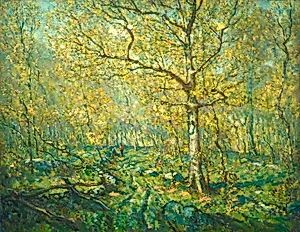
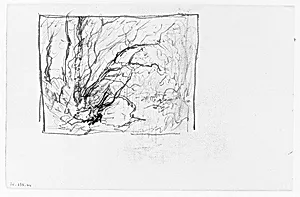
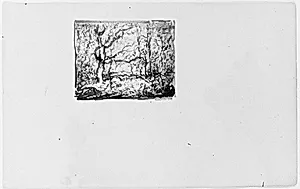
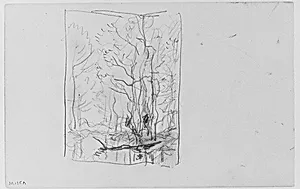
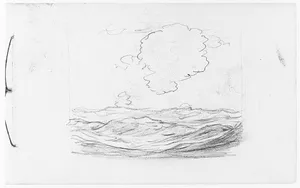
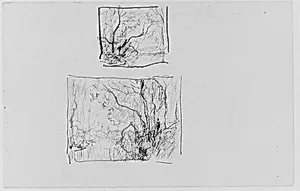
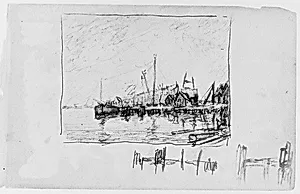
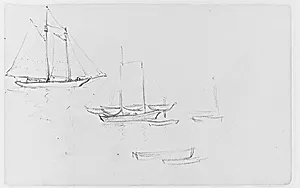
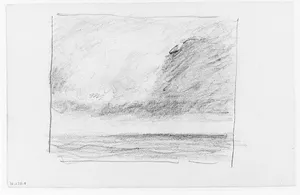
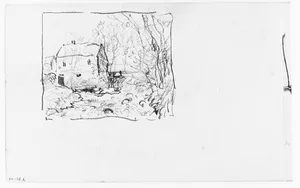
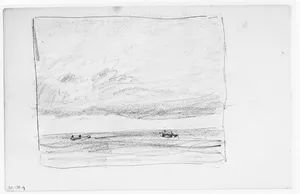
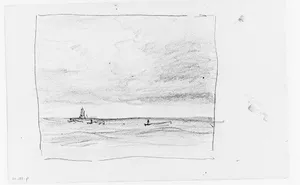
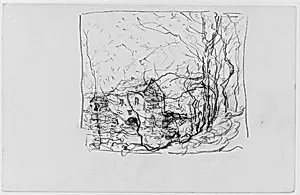
Ranger's paintings are characterized by their rich, warm browns and greens, their careful construction of atmospheric depth, and their unhurried sense of time passing in quiet rural places. Works such as his Connecticut woodlands and harbor scenes captured a pastoral America that was already beginning to disappear under the pressures of industrialization and urbanization.
Ranger died in 1916, leaving a remarkable philanthropic legacy: he bequeathed the bulk of his estate to the National Academy of Design to purchase works by living American artists and donate them to public institutions, a fund whose impact on the distribution of American art across the country has been felt for over a century.