Ctrl K
Henry Wessel (1942–2018) was an American photographer celebrated for his spare, clear-eyed photographs of everyday life in the American West and beyond. Born in Teaneck, New Jersey, he studied at Pennsylvania State University and later at the State University of New York at Buffalo, where he worked with the influential photographer Minor White. White's emphasis on photography as a medium of careful seeing, rather than mere documentation, left a lasting mark on Wessel's practice, though Wessel developed an approach distinctly his own — cool, deadpan, and quietly humorous in its attention to the overlooked details of ordinary American landscapes.
Wessel first gained wide recognition when he was included in the landmark 1975 exhibition New Topographics: Photographs of a Man-Altered Landscape at the George Eastman House in Rochester, New York. That exhibition, which also featured Robert Adams, Lewis Baltz, and others, defined a new aesthetic in American photography: an unromanticized, formally rigorous engagement with the built environment and its intersection with nature. Wessel's contributions to that show exemplified the movement's characteristic restraint and its refusal of easy beauty.
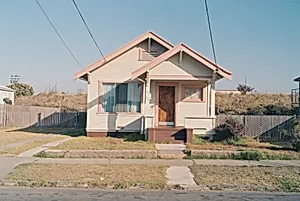
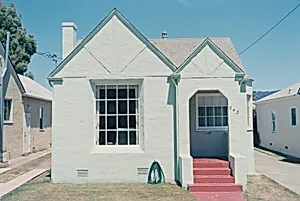
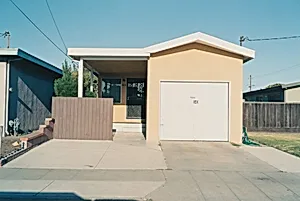
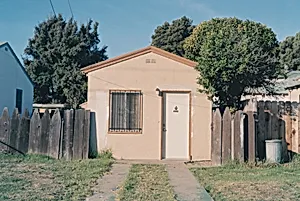
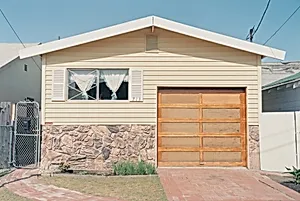
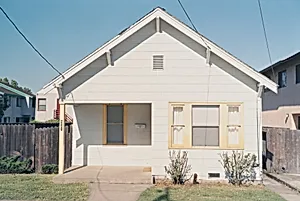
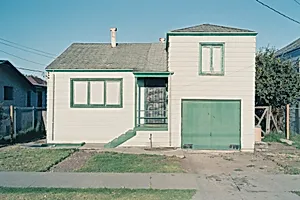
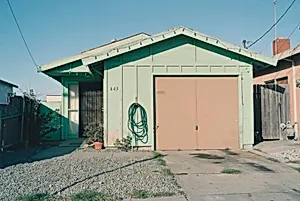
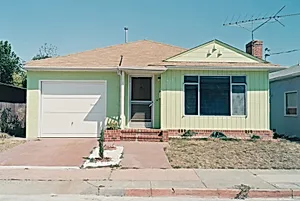
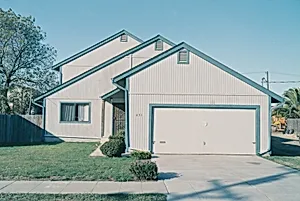
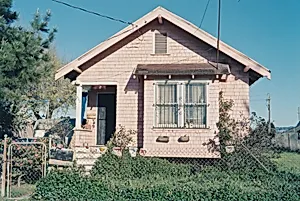
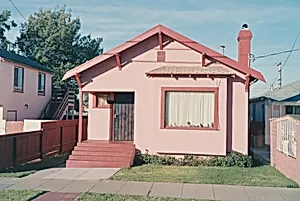
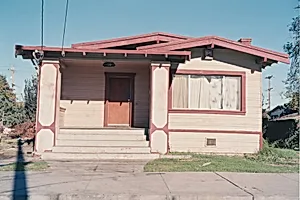
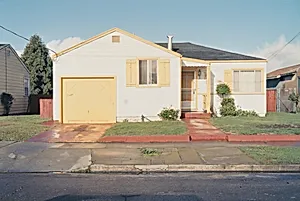
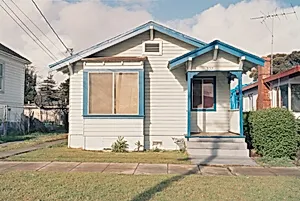
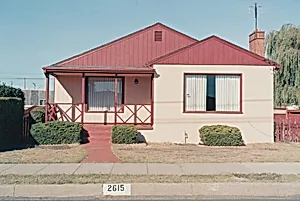
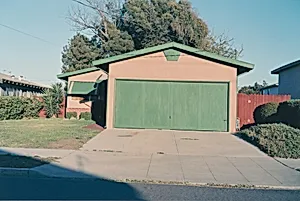
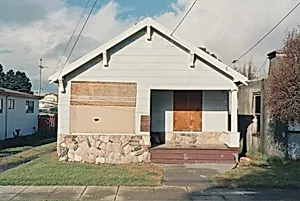
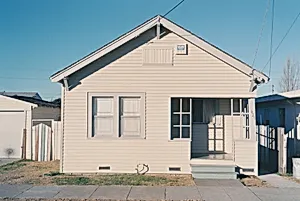
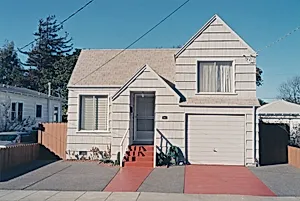
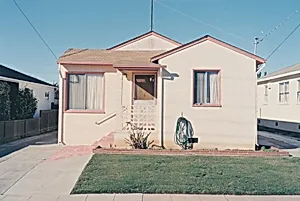
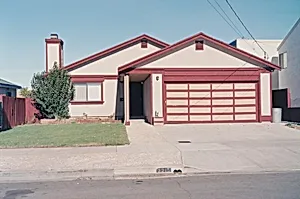
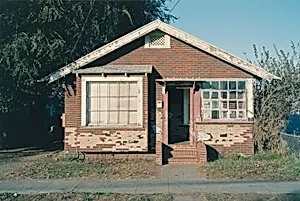
Throughout his career Wessel worked primarily with a 35mm camera, often in bright sunlight that produced high-contrast images of stark clarity. He photographed the streets, yards, houses, and desert edges of California and the American West with a patient attention to coincidence, shadow, and form. His photographs reward sustained looking, revealing compositional precision beneath their apparent casualness.
Wessel taught for many years at the California College of Arts and Crafts in Oakland, shaping generations of photographers. His published books, including Waikiki and Continental USA, are considered important contributions to the literature of photography. He is remembered as one of the key figures of late twentieth-century American documentary and art photography.