Ctrl K
1790–1864
Occupations
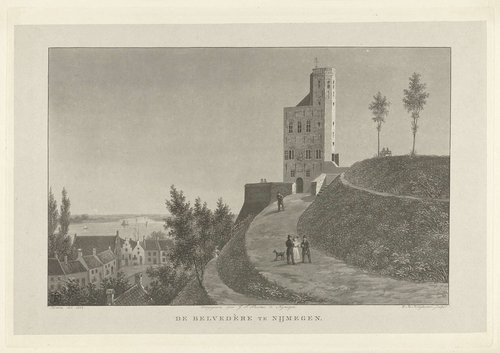
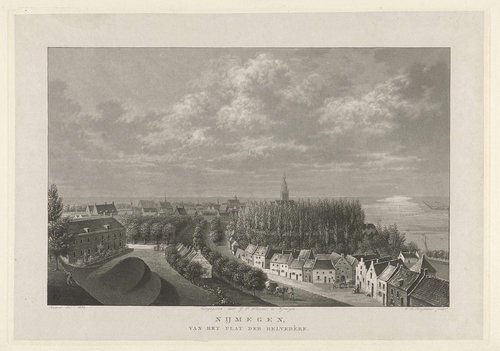
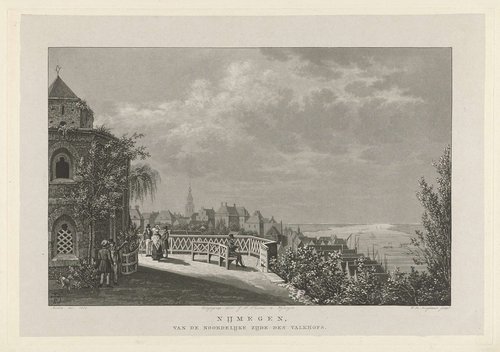
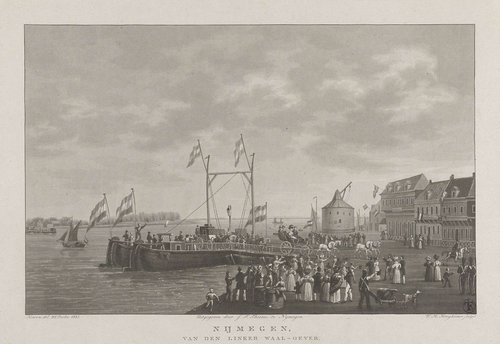
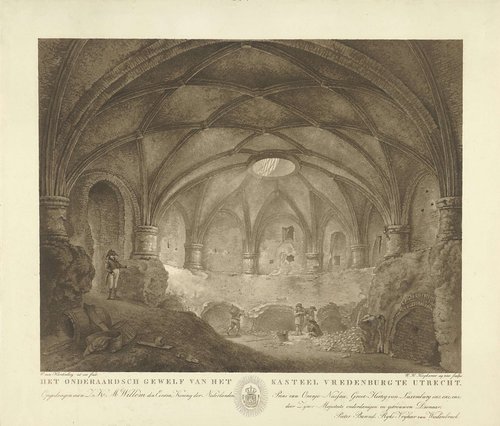
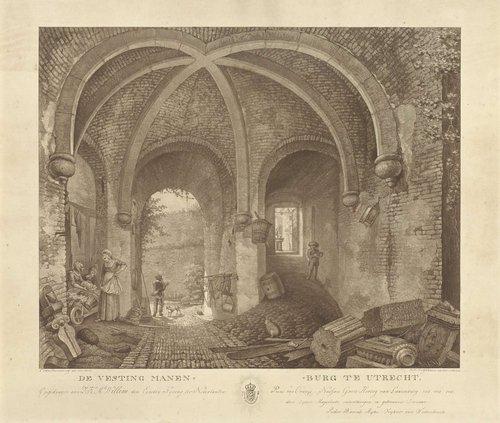
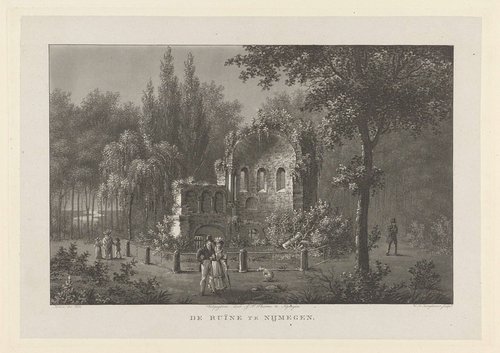
Willem Hendrik Hoogkamer (1790–1864) was a Dutch engraver, etcher, aquatint artist, and draughtsman who worked primarily in Amsterdam and Arnhem during the first half of the nineteenth century. Born on September 21, 1790, in Amsterdam, Hoogkamer pursued a career as a copper plate engraver and printmaker, creating both original compositions and reproductive prints after works by other artists. His specialty was topographical and documentary subjects—views of Dutch cities and landscapes, maritime scenes, and records of significant contemporary events—work that served both artistic and historical documentary purposes in an era when photography had not yet been invented and prints remained the primary means of visually documenting places and events. Hoogkamer's documented works include maritime subjects such as ships stuck in ice in the North Holland Canal near Purmerend (a print documenting the severe winter conditions of January 9, 1830), interior views of significant buildings like the Royal Palace in Amsterdam, and various topographical scenes showing Dutch landscapes and cityscapes. His technical proficiency encompassed multiple printmaking techniques—line engraving, etching, and aquatint—allowing him versatility in creating different visual effects. The combination of etching (for linear definition) with aquatint (for tonal areas) enabled him to create prints with both precise detail and atmospheric depth. On April 23, 1814, Hoogkamer married Maria Elselina van Pesch, establishing a family while pursuing his printmaking career. He worked throughout the first half of the nineteenth century, a period of significant change in the Netherlands following the Napoleonic Wars and during the formation and dissolution of the United Kingdom of the Netherlands. Hoogkamer died on January 22, 1864, in Arnhem at age 73. His works are held in the Rijksmuseum and document nineteenth-century Dutch life and landscapes with careful observation and technical skill.
Willem Hendrik Hoogkamer was born on September 21, 1790, in Amsterdam during the brief period between the end of the Dutch Republic and the beginning of French domination. His formative years coincided with French revolutionary and Napoleonic rule over the Netherlands, first as the Batavian Republic (1795–1806), then as the Kingdom of Holland under Napoleon's brother Louis Bonaparte (1806–1810), and finally as direct incorporation into the French Empire (1810–1813).
Hoogkamer received training in printmaking techniques, learning copper plate engraving, etching, and aquatint—the primary reproductive and artistic printmaking methods of the period. This training required systematic apprenticeship to master the technical skills of working with copper plates, understanding acids and their effects for etching and aquatint, operating printing presses, and developing the aesthetic judgment necessary to create effective images.
His training in multiple techniques gave him versatility. Line engraving involved using a burin to incise lines directly into copper, creating precise, controlled linear effects. Etching used acid to bite lines into plates that had been covered with acid-resistant ground and scratched through with needles, allowing for more fluid, expressive line work. Aquatint created tonal areas through controlled acid biting of resin-dusted plates, producing effects similar to wash drawings. Combining these techniques allowed printmakers to achieve varied visual effects within single prints.
On April 23, 1814, just as the Netherlands was regaining independence and being constituted as the United Kingdom of the Netherlands under King William I, Hoogkamer married Maria Elselina van Pesch. This marriage marked his establishment as an independent adult and professional printmaker.
Hoogkamer specialized in creating prints that documented Dutch life, landscapes, and significant events. His work after J.H. Koekkoek showing ships stuck in ice in the North Holland Canal near Purmerend (documenting January 9, 1830) exemplifies this documentary function. The severe winter of 1829–1830 created extraordinary conditions that disrupted transportation and commerce, and Hoogkamer's print preserved the visual record of this event.
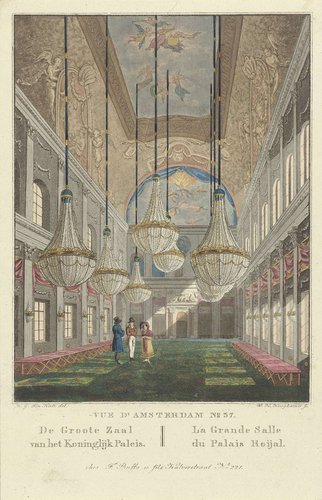
He created prints of architectural interiors, including views of the Royal Palace in Amsterdam after designs by Herman Frederik Carel ten Kate. These prints documented important civic and royal buildings, making their interiors visually accessible to audiences who could not visit in person. Such architectural documentation served both artistic appreciation and historical record-keeping.
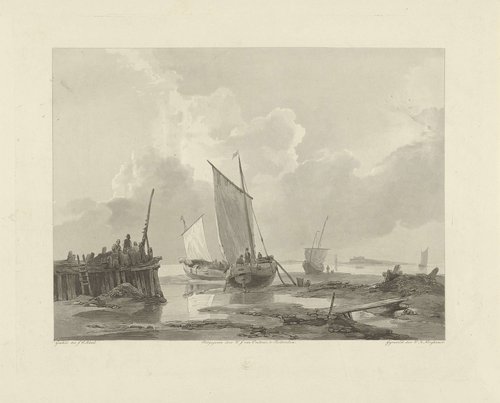
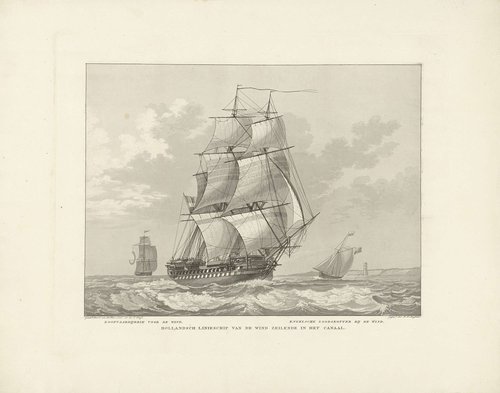
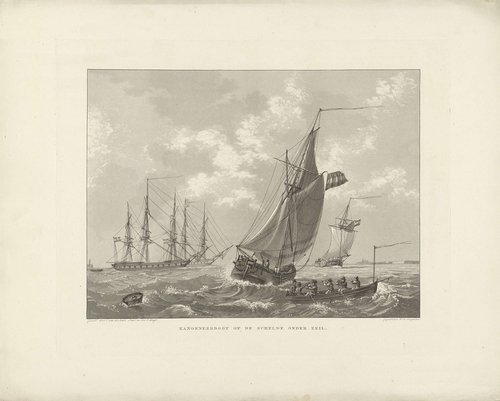
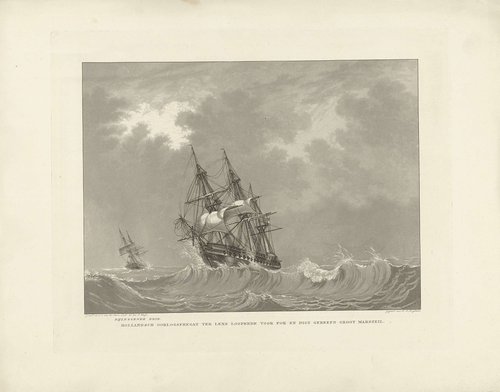
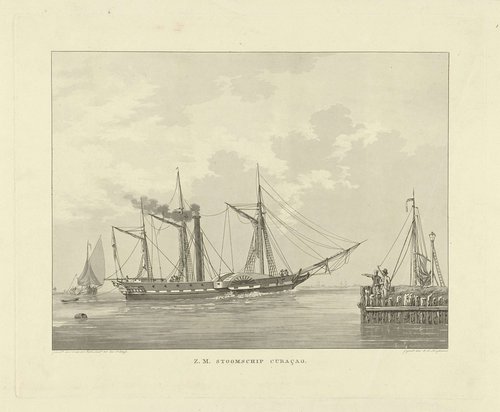
Maritime subjects formed another significant portion of his output. His print showing sailing ships on high waves after C. van der Hart demonstrated his ability to render dramatic marine scenes with ships, waves, and atmospheric effects. Maritime subjects had deep resonance in Dutch culture given the nation's historical reliance on seafaring and commerce.
As a reproductive engraver, Hoogkamer translated works by other artists into print form. This work required both technical proficiency and aesthetic sensitivity—the engraver needed to capture the essential qualities of the original while working within the constraints and conventions of printmaking. His prints after Koekkoek, Ten Kate, van der Hart, and others served to disseminate these artists' compositions to broader audiences.
Hoogkamer eventually relocated from Amsterdam to Arnhem, a significant city in the eastern Netherlands. He died there on January 22, 1864, at age 73, having pursued printmaking through five decades of Dutch history encompassing major political transformations, economic changes, and the beginning of industrialization.
Artheon Research Team
Last updated: 2025-11-09
Biography length: ~1,127 words
Wikidata (CC0); Getty ULAN (ODC-By)