Ctrl K
1855
Howard Lumbard was an American artist active around 1935 whose precise watercolor and graphite drawings form a notable part of the Index of American Design. His early life is not well documented, with no records of formal training, teachers, or artistic education coming to light. Instead, Lumbard is known through his contributions to this ambitious New Deal-era initiative, a Federal Art Project of the Works Progress Administration that employed hundreds of artists between 1935 and 1942 to create a comprehensive pictorial survey of American crafts, decorative arts, and folk objects from the colonial period through 1900.
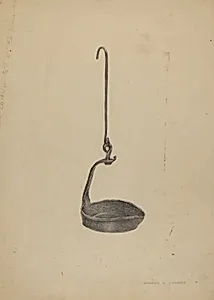
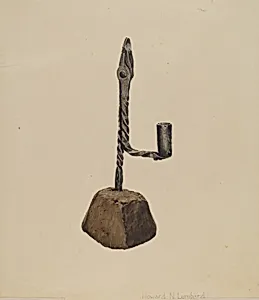
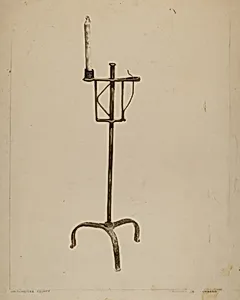
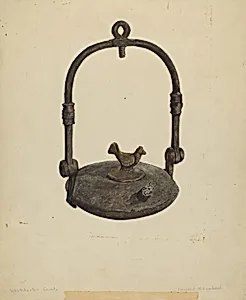
Working in the documentary tradition of the Index, Lumbard specialized in meticulous renderings of everyday utilitarian items, capturing their forms, textures, and historical character with scientific accuracy rather than personal expression. His works typically combine watercolor with graphite or pen and ink on paper or paperboard, emphasizing material details such as the grain of wood, the sheen of metal, or the patterns of textiles. This approach aligned with the project's goal of establishing a visual foundation for understanding American design heritage, treating anonymous vernacular objects as worthy of artistic preservation. Among his documented pieces are studies of lighting devices, ceramics, and household tools that highlight both function and craftsmanship.
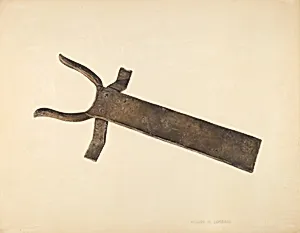
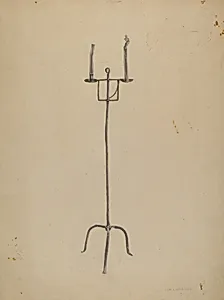
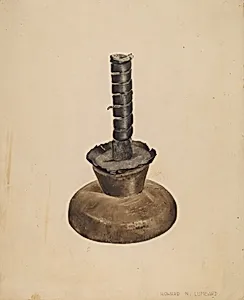
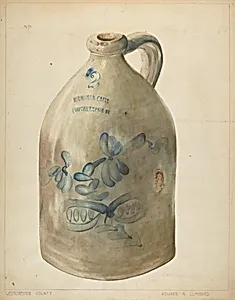
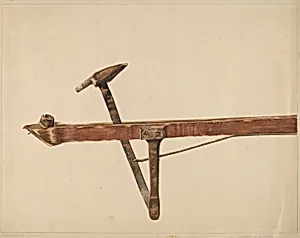
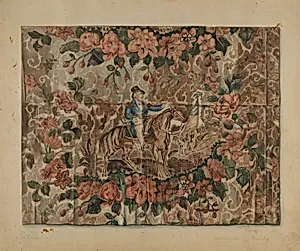
Key works include the *Jug* (c. 1938), a large ceramic vessel rendered in watercolor and graphite; the *Candlestick* (c. 1939); *Adjustable Candle Holder* (c. 1937); *Whale Oil Ship Lamp* (1935/1942); *Chintz Square* (c. 1938), depicting a floral textile with a horseback figure; *Bootjack* (c. 1939); and *Carpet Stretcher* (1935/1942). These ten pieces, now held by the National Gallery of Art, exemplify the Index's emphasis on objects that defined American domestic and maritime life. Lumbard's output, though not widely exhibited as independent art during his lifetime, contributed to a collection of over 18,000 drawings that remains a vital resource.
Lumbard's legacy endures through this archive, which has informed later scholarship on folk art, material culture, and American design history. By faithfully recording these artifacts during the Great Depression, he helped ensure that the nation's craft traditions were not lost to time, providing an educational window into everyday ingenuity that continues to inspire historians, designers, and artists today. His understated yet exacting style underscores the Index's unique blend of art and documentation.