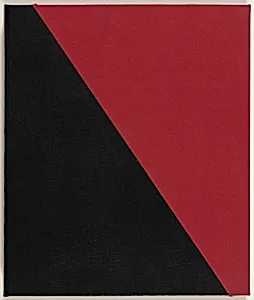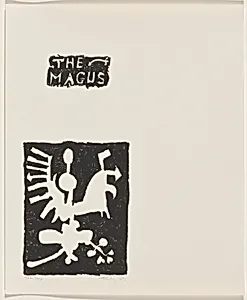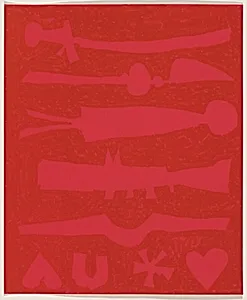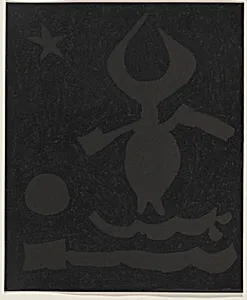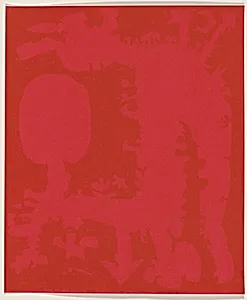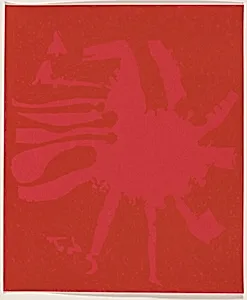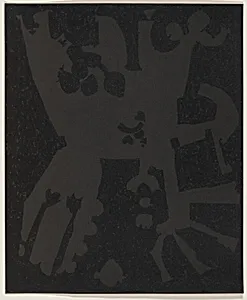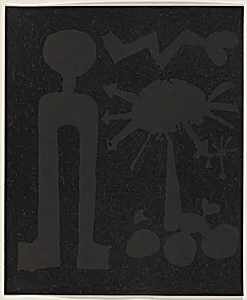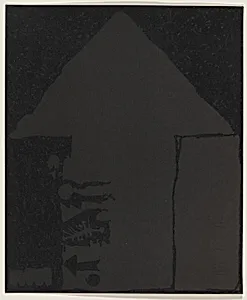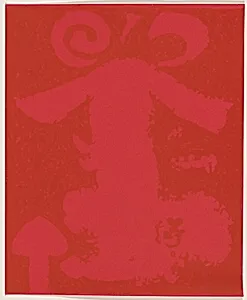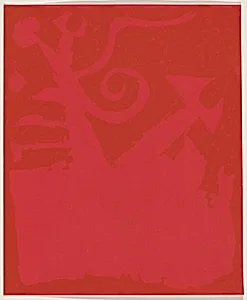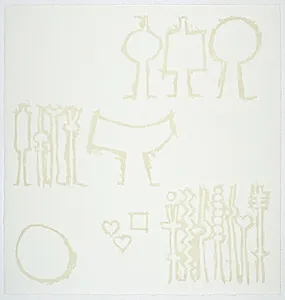
Hugh Townley (1921–2008) was an American sculptor whose wide-ranging formal investigations placed him at the intersection of modernist abstraction and a deeply personal engagement with primitive and archaic sculptural traditions. Born in West Lafayette, Indiana, Townley studied at the University of Wisconsin and subsequently in Europe, where encounters with ancient and non-Western art deepened his interest in primal form and the expressive possibilities of simplified, totemic imagery. He later taught for many years at Brown University, where he influenced generations of students.
Townley's sculptures — executed in wood, stone, and other materials — are characterized by a quiet power and an almost ritual gravity. His works often evoke the standing figure or elemental organic forms without resolving into straightforward representation, occupying the fertile space between abstraction and figuration. His engagement with the handmade and the material was consistent with broader currents of mid-twentieth-century American sculpture, though his voice was distinctly his own.
As a teacher and practitioner working outside the major metropolitan art centers, Townley represents an important strand of American modernism — serious, formally rigorous, and committed to sculpture as a meditative as well as a plastic art. His works are held in several public and institutional collections, and his influence on his students at Brown extended well beyond his formal retirement.