Ctrl K
1565–1637
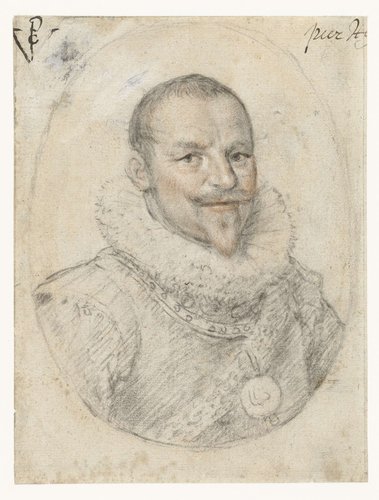
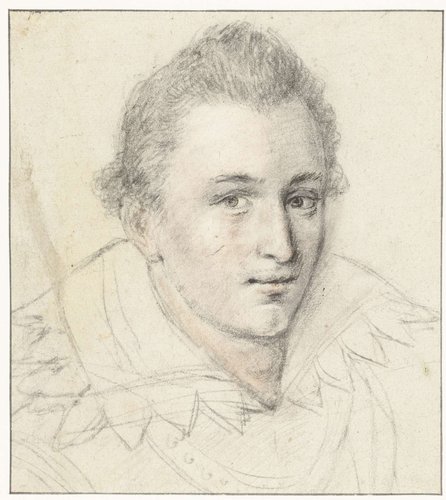
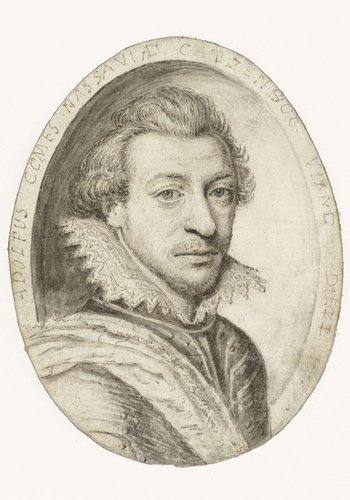
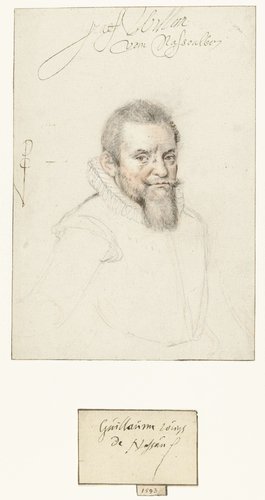
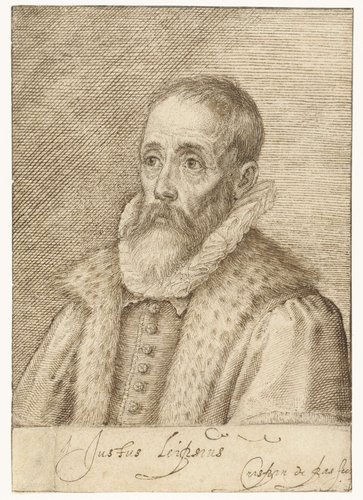
Crispijn van de Passe the Elder, born around 1564 in the coastal town of Arnemuiden in Zeeland, emerged as a pivotal figure in Northern European printmaking during a turbulent era. He relocated to Antwerp at a young age, the bustling epicenter of engraving, where he trained and worked from 1580 onward, becoming a member of the Guild of Saint Luke in the 1584–1585 guild year. The Spanish siege and fall of Antwerp in 1585, coupled with the reinstatement of Catholic rule conflicting with his Mennonite faith, prompted his emigration first to Aachen in 1588 and then to Cologne in 1589, where he established his own engraving and publishing firm. By around 1611–1612, he settled permanently in Utrecht, the only major Dutch city then lacking a print publisher, transforming it into a hub for his operations.
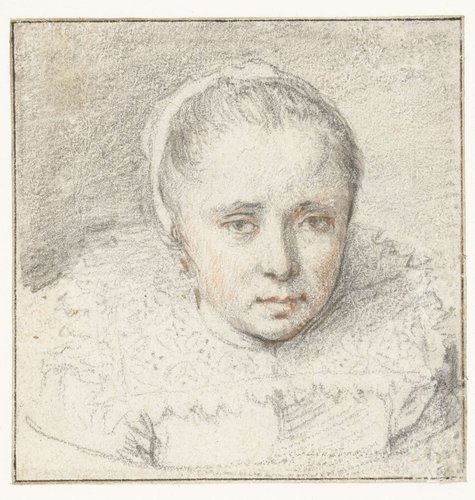
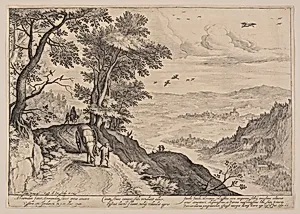
Van de Passe married Magdalena de Bock, niece of the Antwerp Mannerist painter Maerten de Vos's wife, and founded a renowned dynasty of engravers. He trained his four children—Simon (c. 1595–1647), Crispijn II (c. 1594/97–1670), Willem (c. 1597/98–ca. 1637), and Magdalena (1600–1638)—in his Utrecht workshop, where they produced reproductive prints after his designs and those of others. This family enterprise shipped drawings, plates, and impressions across Europe, with Simon working in London and Copenhagen, Crispijn II in Paris and Amsterdam, Willem in England, and Magdalena specializing in Utrecht landscapes until her marriage in 1634.
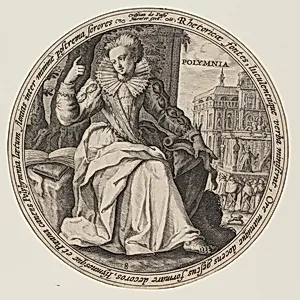
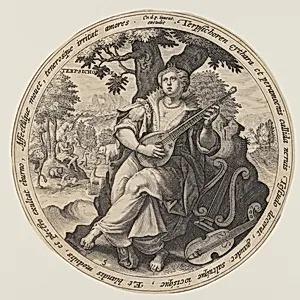
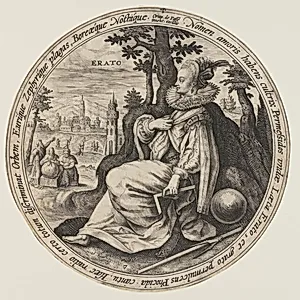
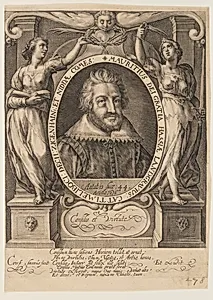
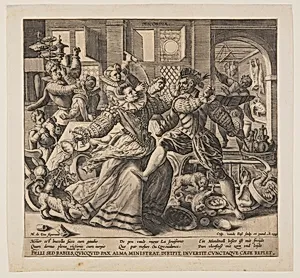
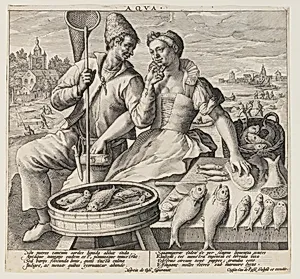
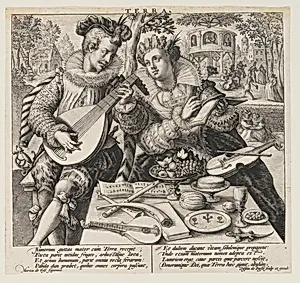
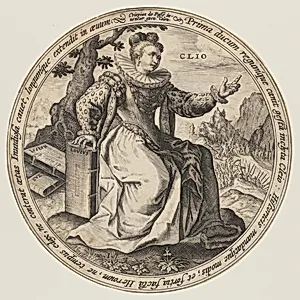
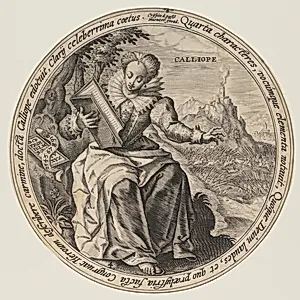
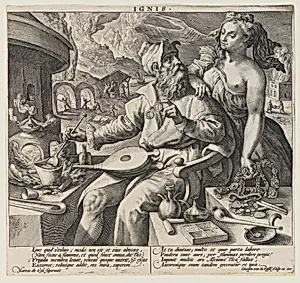
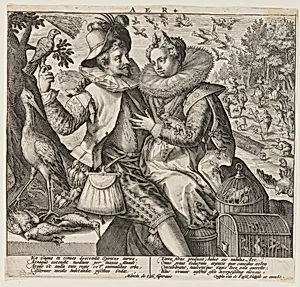
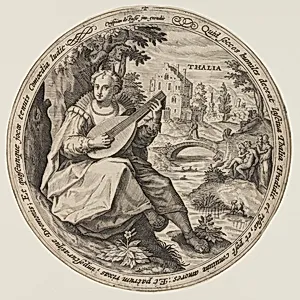
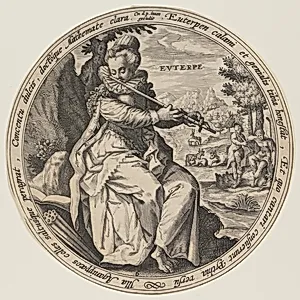
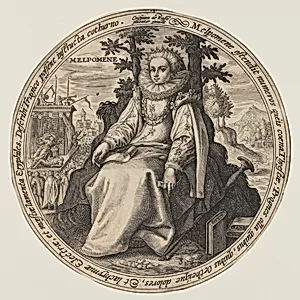
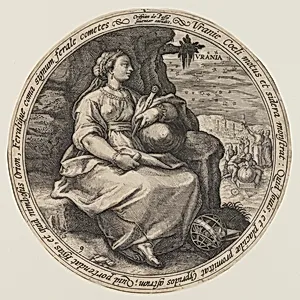
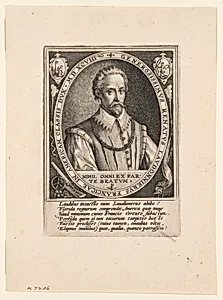
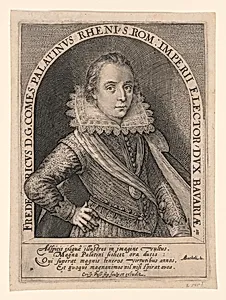
Working in the reproductive tradition of Antwerp's Mannerist workshops, van de Passe excelled in meticulous engravings of religious, allegorical, mythological, and historical subjects, often after designs by Maerten de Vos—such as *The Fall of Phaëthon*. His early prints were published by Antwerp firms like Philips Galle's, while later independent series included the 1605 portraits of the Gunpowder Plot conspirators and contributions to the 1620 *Heroologia Anglica*, a lavish portrait gallery of English notables featuring Queen Elizabeth I. From 1604, he collaborated with Arnhem printer Jan Janszoon on illustrated print books blending image and text.
Van de Passe's legacy endures as the patriarch of a printmaking dynasty rivaling the Wierixes and Sadeler families, though at a more commercial scale. His firm's innovations—from simple devotional series to ambitious history prints and evolving portraiture—mirrored the century's print evolution, influencing Dutch Golden Age dissemination of images across courts and academies. Though the business faltered after his 1637 death amid estate disputes from his second marriage, his progeny ensured the de Passe name proliferated in collections worldwide.