Ctrl K
1570–1629
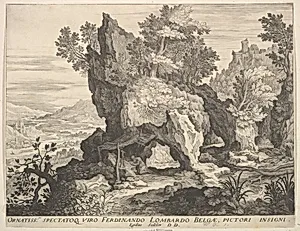
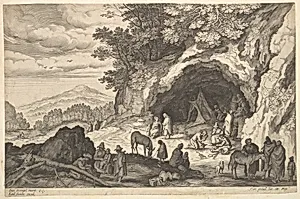
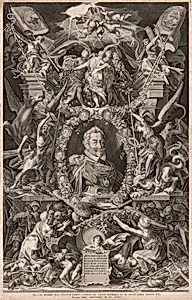
Aegidius Sadeler II was born in Antwerp around 1570 into the most distinguished printmaking dynasty of the sixteenth century. The Sadeler family — spanning Jan I, Raphael, and Aegidius I — dominated the European print trade from their Flemish base, and Aegidius II was trained by his uncle Jan Sadeler I, under whom he was listed as a pupil in the records of the Antwerp Guild of St. Luke in 1585. He worked in Munich from around 1590 and spent several formative years in Rome and Naples during the 1590s before finding his permanent stage in Prague.
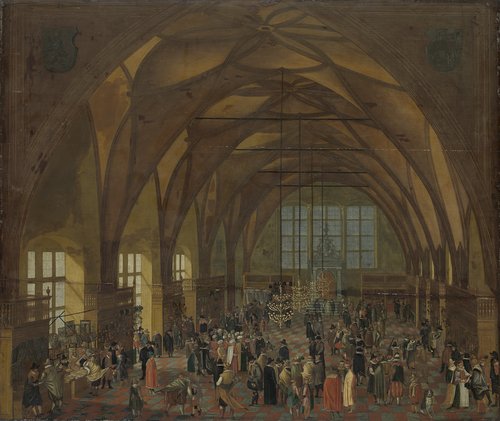
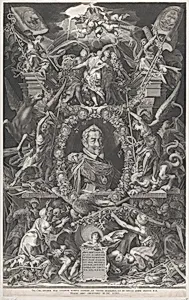
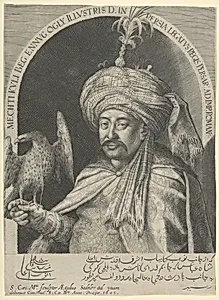
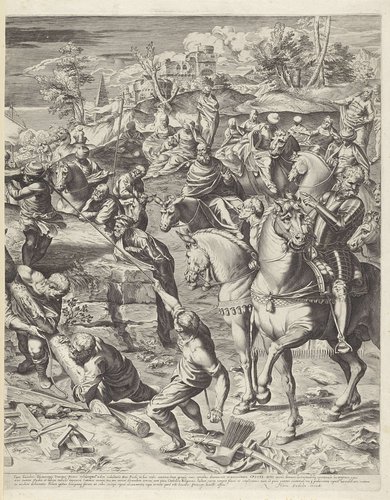
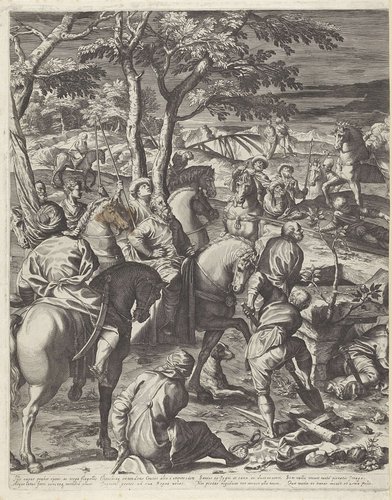
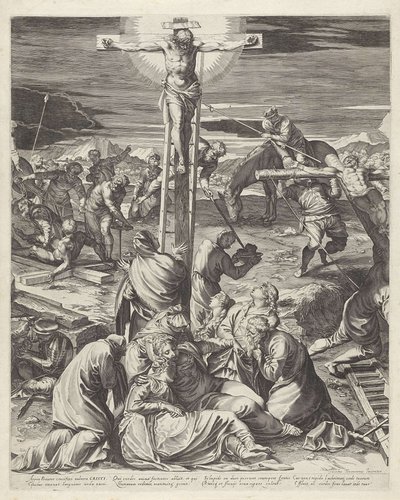
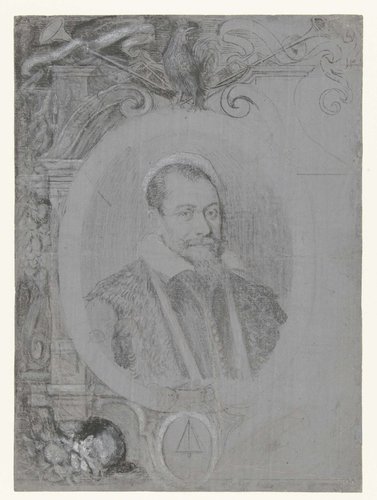
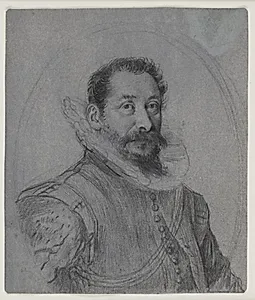
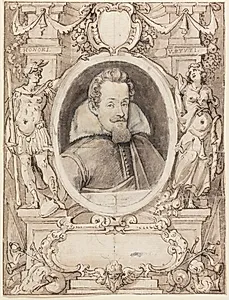
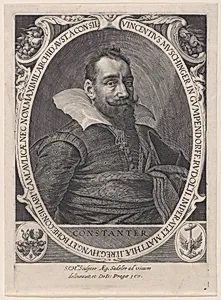
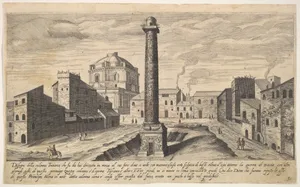
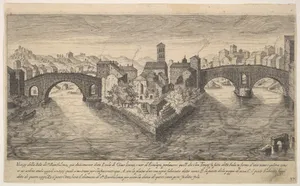
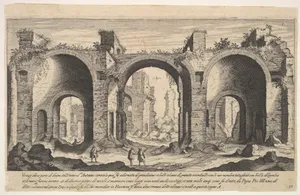
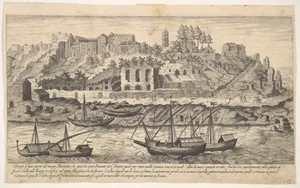
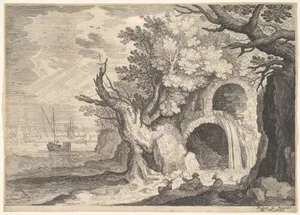
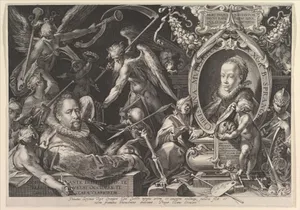
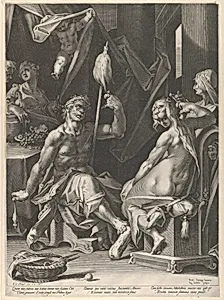
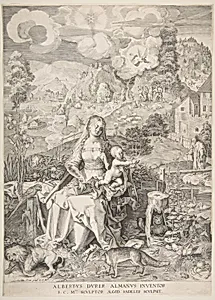
Around 1597, Sadeler arrived at the court of Emperor Rudolf II in Prague, one of the most remarkable artistic centers in Europe at the turn of the seventeenth century. He was appointed imperial court engraver in 1600, a post he retained under Rudolf's successors Matthias and Ferdinand II. In this role he engraved after the paintings and drawings of the leading Rudolphine Mannerists — Bartholomeus Spranger, Hans von Aachen, and Giuseppe Arcimboldo — as well as after Old Masters including Dürer, Raphael, Titian, and Tintoretto. His ambitious series Vestigi delle Antichita di Roma, comprising fifty-two plates depicting the monuments of classical Rome, demonstrated his range beyond courtly portraiture and mythological subjects.
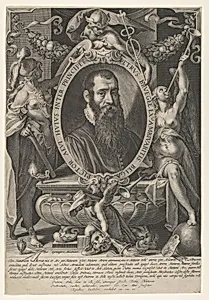
Sadeler's portraits of the imperial elite earned him the nickname "the Phoenix of Engraving," a tribute to his extraordinary technical command of the burin. His ability to translate the nuanced tonal richness of painting into the linear medium of engraving was widely admired. Among his most distinguished pupils were Wenzel Hollar and Joachim von Sandrart, the latter of whom wrote his biography. Sadeler died in Prague in 1629, having spent three decades as the preeminent printmaker of the Central European court.