Ctrl K
1587–1652
Claes Janszoon Visscher II (1587–1652) was one of the most prolific and commercially astute figures of the Dutch Golden Age print world — a draughtsman, etcher, mapmaker, and publisher whose Amsterdam workshop became one of the largest of its kind in Europe. Born into a family already engaged in the print trade, Visscher learned etching and engraving directly from his father, Claes Jansz. Visscher I, absorbing both the technical demands of the craft and the commercial logic of the Amsterdam art market. In 1611 he established his own premises, 'De Gulden Beurs' on Kalverstraat, which would anchor a dynasty of mapmakers for generations.
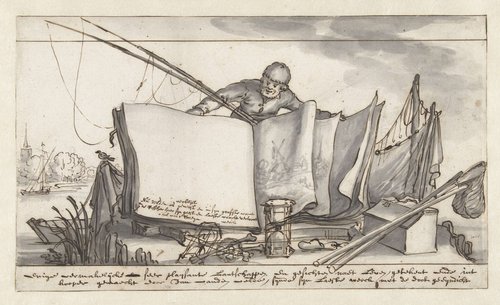
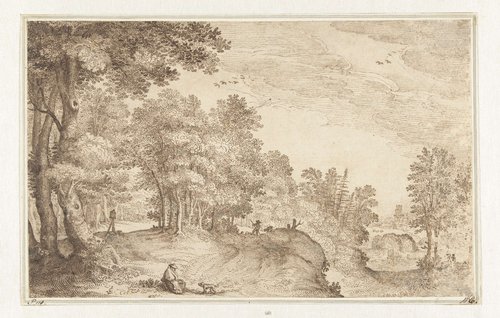
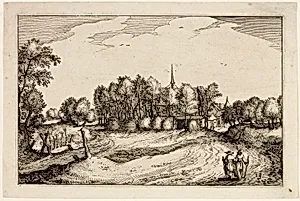
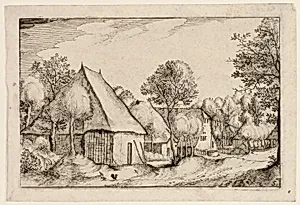
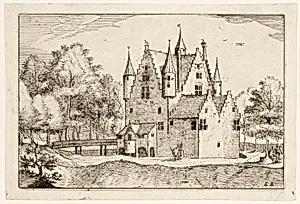
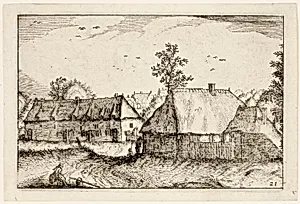
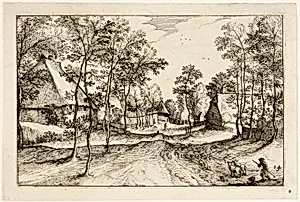
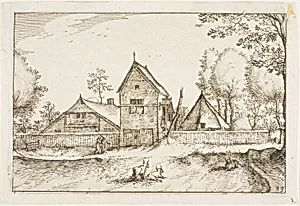
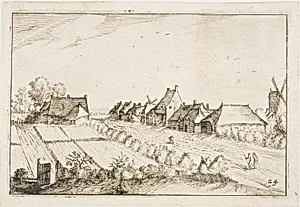
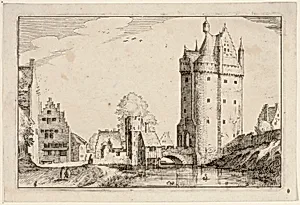
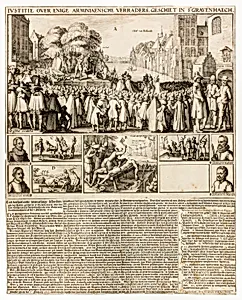
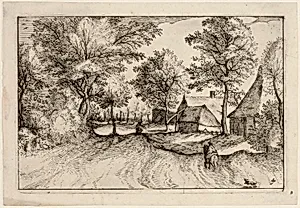
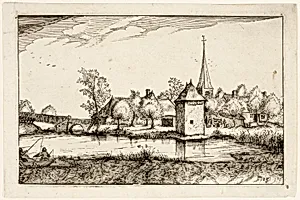
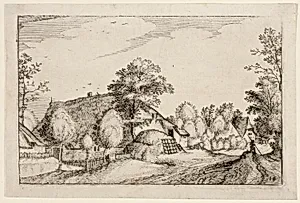
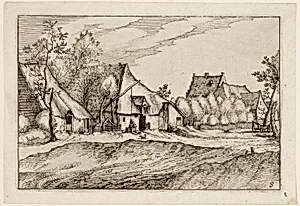
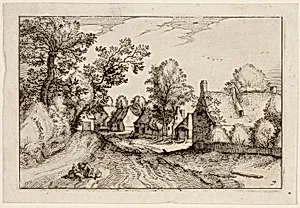
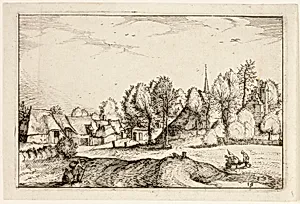
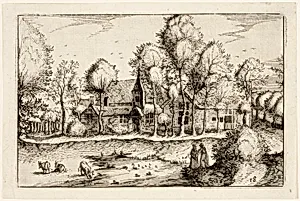
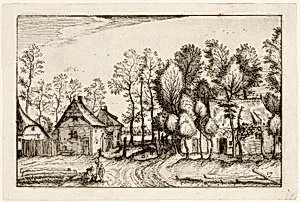
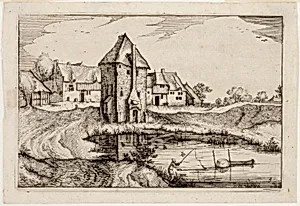
Visscher worked across an exceptionally broad range, producing over 200 etched plates encompassing biblical landscapes, portraits, city views, and elaborately bordered maps of the Netherlands and other European countries. His celebrated 1616 panorama of London and his 1611 Leo Belgicus map stand as exemplars of his ability to combine topographical precision with decorative invention. He signed much of his work with the Latin pseudonym 'Piscator' (Fisher), a playful translation of his Dutch surname, and characteristically populated his compositions with small fishermen figures — a subtle running signature through his entire body of work.
As a publisher, Visscher wielded influence well beyond his own output. He issued prints by Esaias van de Velde and David Vinckboons, and his work was a formative influence on Roelant Roghman and on his sister Geertruyd Roghman. His plates remained in active circulation for nearly a century after his death, copied and adapted by subsequent printers — inadvertently perpetuating his fisherman motif across countless publications.
The business he founded passed in turn to his son Nicolaes Visscher I (1618–1679) and grandson Nicolaes Visscher II (1649–1702), before eventually being acquired by Peter Schenk the Elder. Visscher's lasting legacy lies in his dual role as a craftsman of considerable skill and as an entrepreneur who helped shape the visual geography of the seventeenth century.