Ctrl K
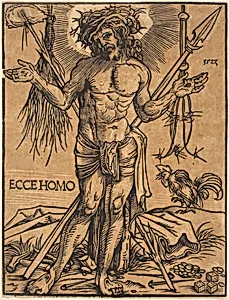
**Hans Weiditz the Younger (Hans Weiditz II, also known as the Petrarch Master)** was a leading German Renaissance woodcut designer active in the early sixteenth century. Born around 1495 in Freiburg im Breisgau, he came from an artistic family; his father, Hans Weiditz the Elder, was a sculptor who worked on projects such as the Dreikönigsaltar in Freiburg Cathedral, and his brother Christoph Weiditz was also an artist.
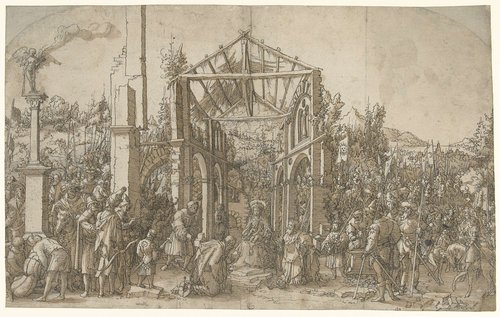
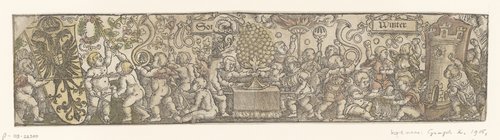
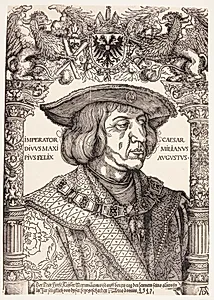
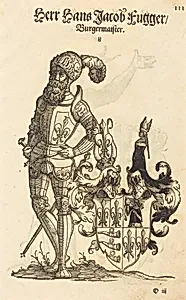
Weiditz trained and worked in the circle of Hans Burgkmair, adopting the lively, detailed style of Augsburg woodcut artists. He was active in Augsburg from about 1512 to 1522 before moving to Strasbourg, where he produced book illustrations until around 1536. His designs were typically cut by specialist Formschneiders, and he excelled in both single-sheet prints and extensive series for printed books.
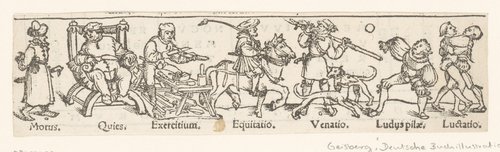
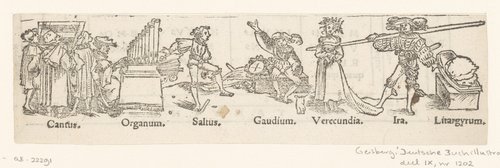
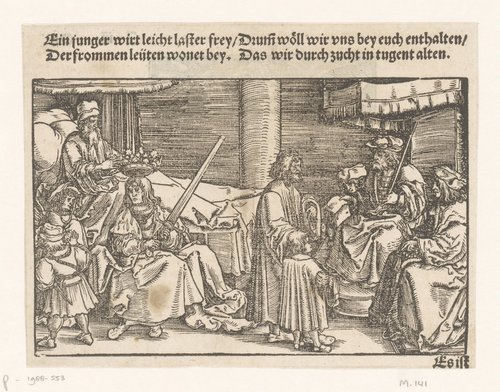
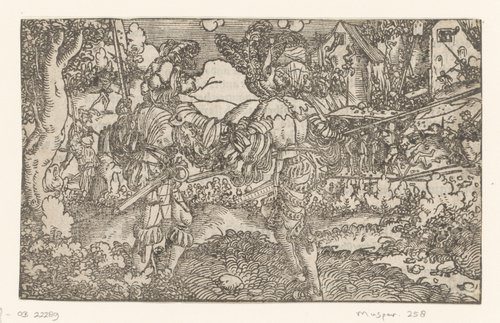
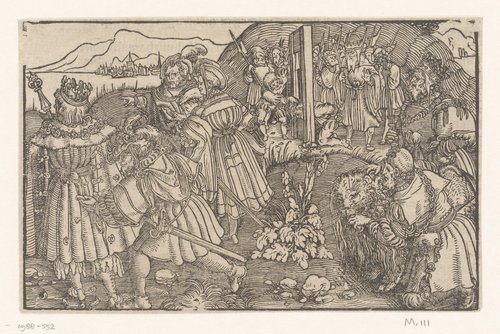
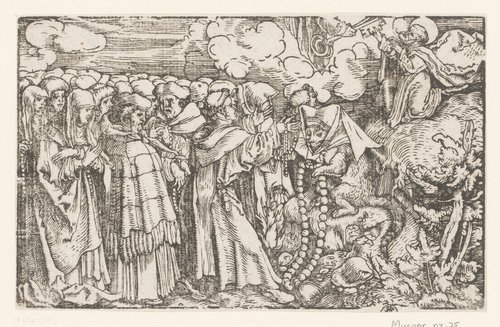
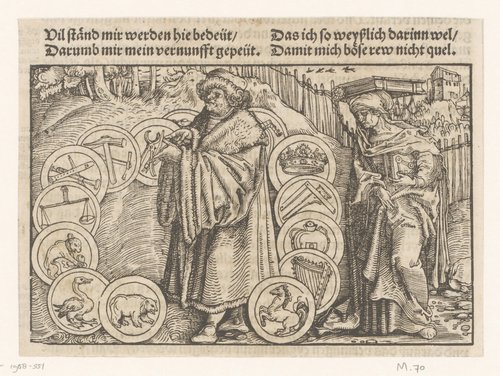
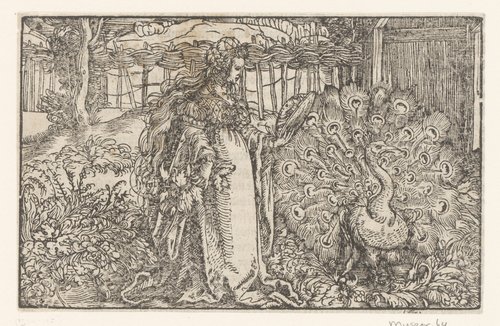
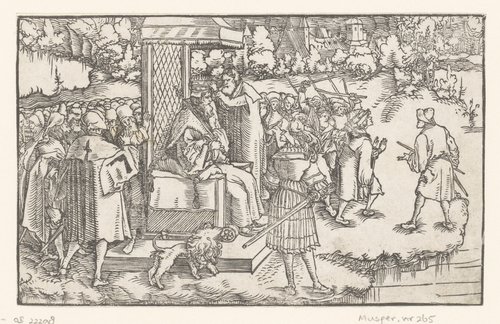
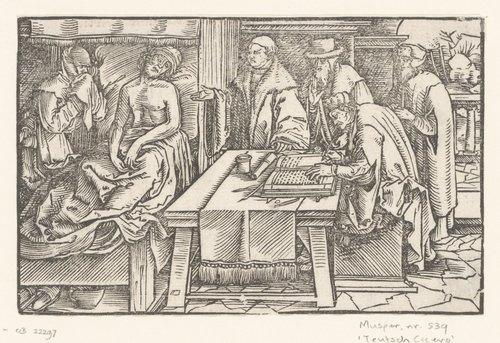
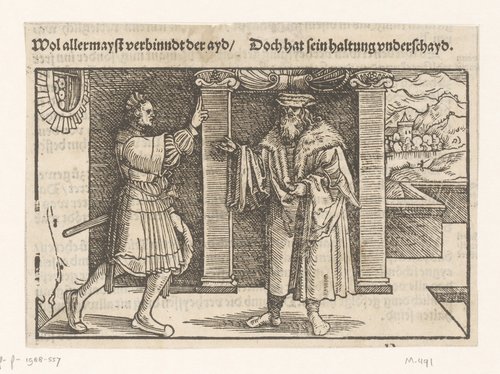
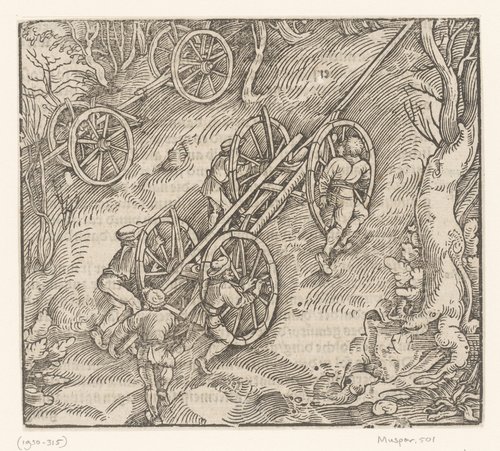
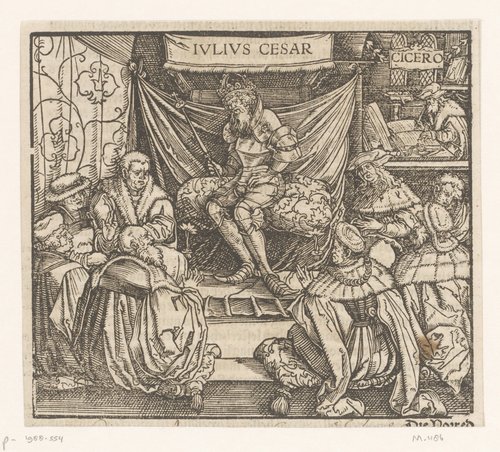
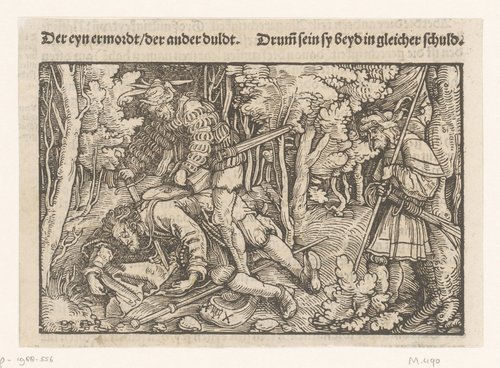
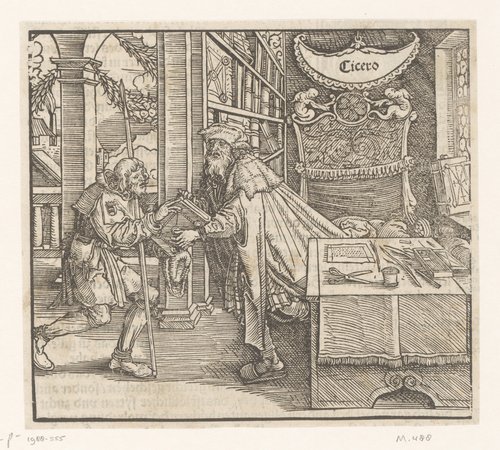
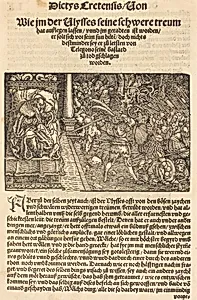
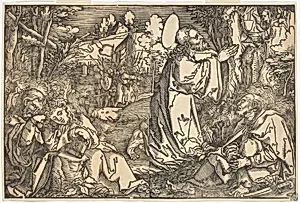
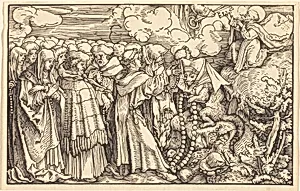
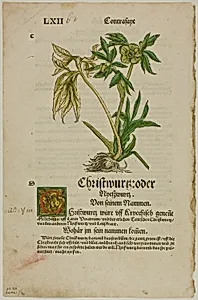
He is best remembered for his dynamic illustrations to Petrarch’s *De remediis utriusque fortunae* (often called the Petrarch Master series), which feature vivid scenes of daily life, allegories, and caricatures that bring abstract philosophical ideas to life. Other major projects include the realistic botanical woodcuts for Otto Brunfels’s *Herbarum vivae eicones* (1530–1536), a landmark in scientific illustration; illustrations for Cicero’s *De Officiis* (1531); and works for Apuleius and Plautus. He also created notable chiaroscuro woodcuts and religious subjects.
Weiditz’s legacy lies in his contribution to the golden age of German woodcut alongside figures such as Albrecht Dürer and Hans Holbein the Younger. His expressive, naturalistic approach influenced both secular and scientific imagery, and his prints remain prized in major collections, including dozens held by institutions such as the National Gallery of Art. Though his publishers sometimes faced financial difficulties that affected the quality of later blocks, his inventive designs continue to be celebrated for their vitality and observational skill.