Ctrl K
Inca artists, operating anonymously within the vast Inca Empire from approximately 1425 to 1532 CE, were masterful creators whose works symbolized imperial power and unity across the Andes. Thriving in the heart of Cuzco, the empire's capital, these skilled artisans—men and women alike—produced textiles, ceramics, and metalwork that served both practical and ceremonial purposes. Gifted craftspeople from conquered regions like Chan Chan and the Titicaca basin were relocated to Cuzco to elevate production for the Inca rulers, fostering a highly standardized aesthetic that reflected the state's dominance without sacrificing technical brilliance.
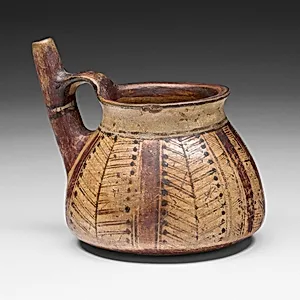
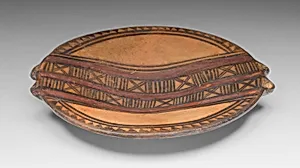
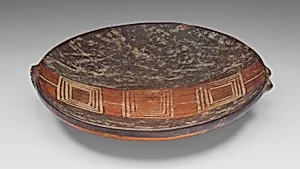
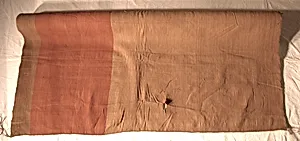
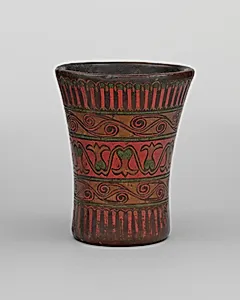
Artistic training occurred through communal workshops and specialized roles rather than formal academies, with local traditions refined under imperial oversight. Women across classes excelled in weaving, while elite male specialists known as *qumpicamayocs* crafted the finest cloths in Cuzco's state facilities. The Inca style emphasized geometric abstraction—repetitive motifs like checkerboards, zigzags, dots, and stylized plants or animals—avoiding depictions of rituals, conquests, or mythical beings. Influenced by predecessors like the Chimú but surpassing them in polish and scale, this approach unified diverse provinces through visual repetition, executed with extraordinary precision in techniques such as backstrap looms for textiles (up to 120 wefts per centimeter), hand-coiled ceramics fired in kilns, and hammered or cast metals alloyed with gold ("sweat of the sun") and silver ("tears of the moon").
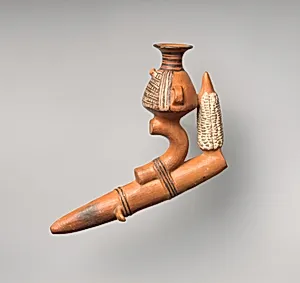
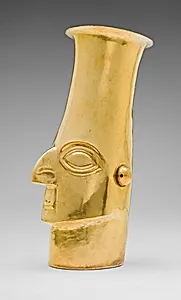
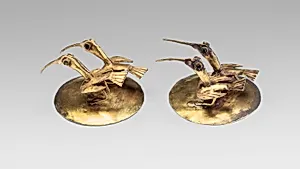
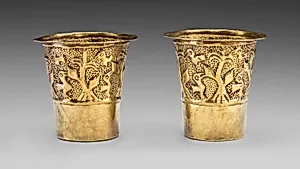
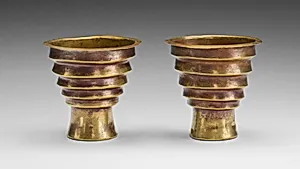
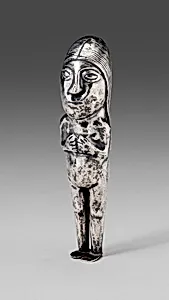
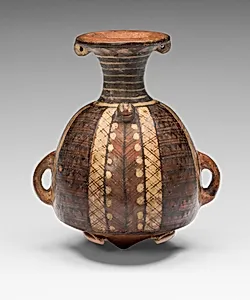
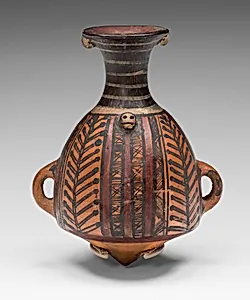
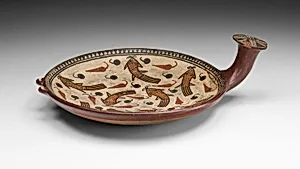
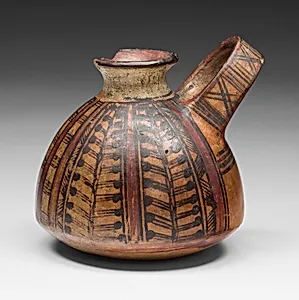
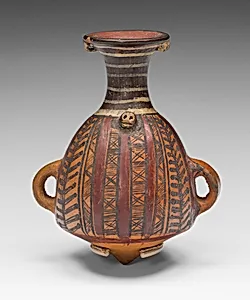
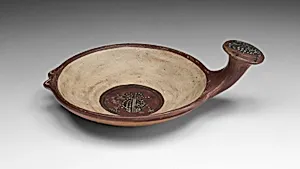
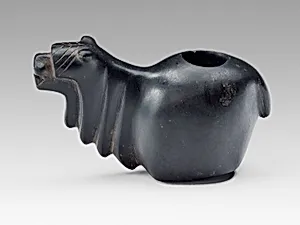
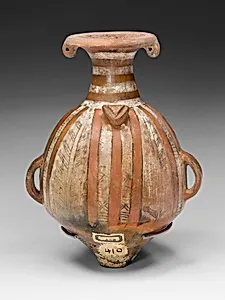
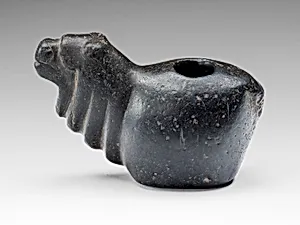
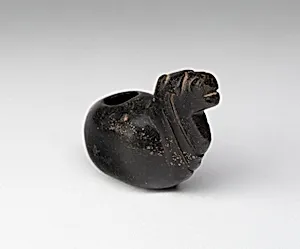
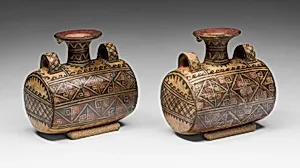
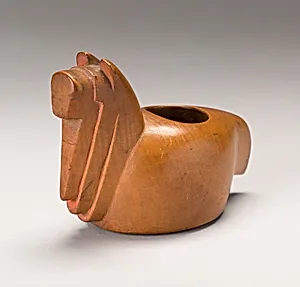
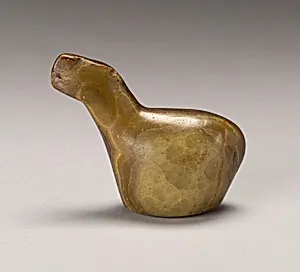
Major works highlight their virtuosity: textiles reigned supreme, including the *mascaypacha* (royal insignia with tasseled threads representing conquests), military tunics with black-and-white checkerboards and red neck triangles, and bags adorned with *tocapu* square patterns; ceramics featured standardized *urpu* jars for maize storage (black-on-red painted motifs, ca. 1400–1535 CE), *paccha* libation vessels shaped like foot plows with corn-cob appliqués, and double bowls; metal masterpieces encompassed gold llama and human figurines (hammered from sheets), *tumi* ceremonial knives, and jewelry like earspools inlaid with spondylus shell.
The legacy of Inca artists endures despite Spanish conquests that melted down treasures like the Coricancha temple's golden corn garden for bullion and banned certain items. Preserved by Andean aridity, these artifacts—in museum collections numbering over 100 pieces—reveal an empire's ingenuity and continue to inspire modern Peruvian crafts, blending imperial geometry with contemporary expression.