Ctrl K
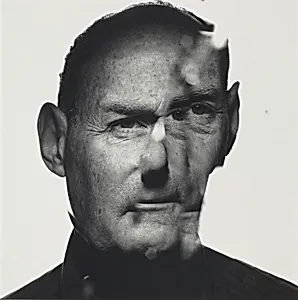
Irving Penn (1917–2009), born in Plainfield, New Jersey, to Russian Jewish immigrant parents Harry Penn and Sonia Greenberg, grew up in a family that included his younger brother, acclaimed film director Arthur Penn. From 1934 to 1938, he attended the Philadelphia Museum School of Industrial Art (now University of the Arts), where he studied drawing, painting, graphics, and industrial arts under the influential photographer and designer Alexey Brodovitch in his Design Laboratory. Brodovitch's avant-garde approach, steeped in modern European art including Surrealism, shaped Penn's transition from painting and design to photography. After assisting Brodovitch at *Harper's Bazaar* and freelancing, Penn joined *Vogue*'s art department in 1943 under Alexander Liberman, debuting with his first photographic cover—a still life of leather accessories—on October 1, 1943.
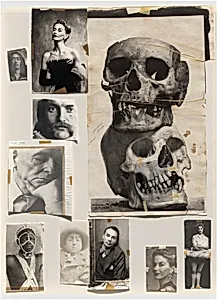
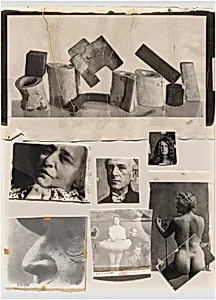
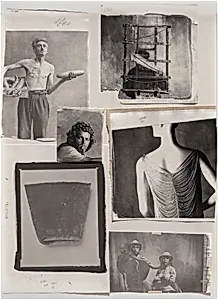
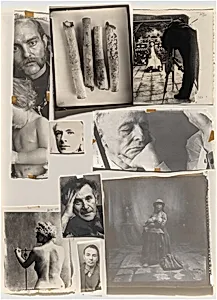
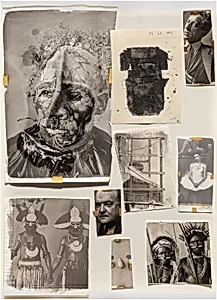
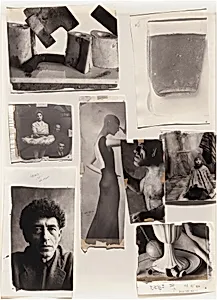
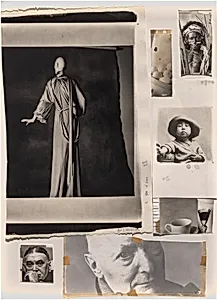
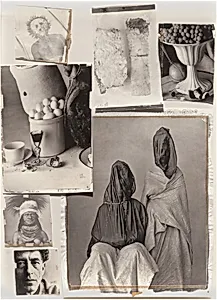
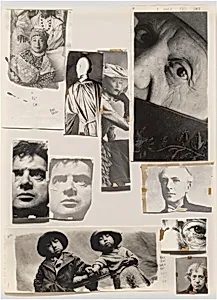
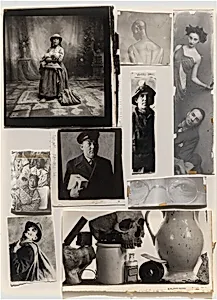
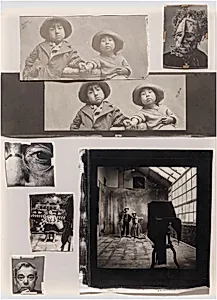
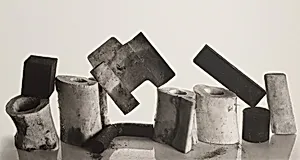
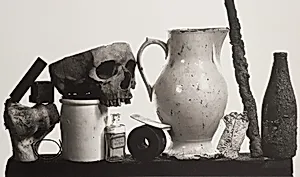
Penn worked in the Modernist tradition, mastering fashion photography, incisive portraits, and still lifes through sparse, controlled compositions on monochromatic backdrops (black, white, or gray) bathed in natural northern light, emphasizing form, geometry, and tonal subtlety. He pioneered the revival of platinum-palladium printing from 1964, achieving deep contrasts akin to old master etchings. Iconic series include the *Small Trades* (1950–51), formal portraits of laborers from New York, Paris, London, and later Nepal, New Guinea, Dahomey, and Morocco; postwar nudes (*Earthly Bodies*, posed 1949–50); *Cigarettes* (1972); and *Street Material* (1975–76). His 1948 portrait of Truman Capote, squeezed into a corner, and the black-and-white *Vogue* cover of Jean Patchett (1950) exemplify his psychological intensity and abstraction.
In 1950, Penn married model and muse Lisa Fonssagrives in London; their son, Tom Penn, was born in 1952. He photographed for *Vogue* over six decades while pursuing advertising and independent projects, founding his own New York studio. Penn's legacy endures through major retrospectives, including the Metropolitan Museum of Art's 2017 *Centennial*, the Smithsonian's *Beyond Beauty* (2015–16), and MoMA's 1984 survey. Donating archives to the Art Institute of Chicago in 1995 and promising works to the Met, he elevated fashion photography to fine art, influencing generations from Richard Avedon to Annie Leibovitz. The Irving Penn Foundation preserves his masterful prints and vision.