Ctrl K
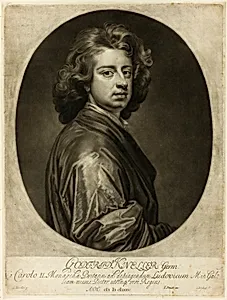
1653–1719
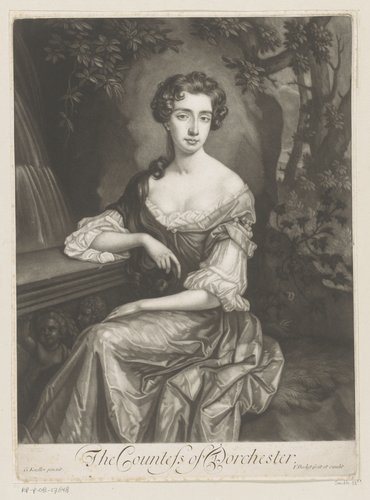
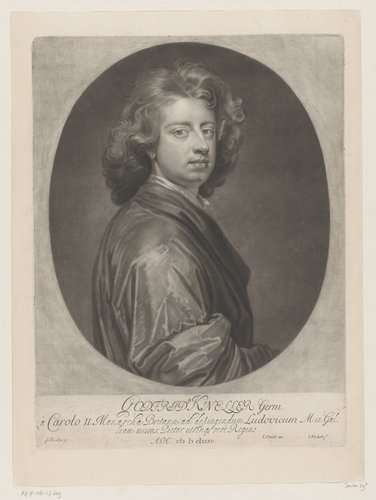
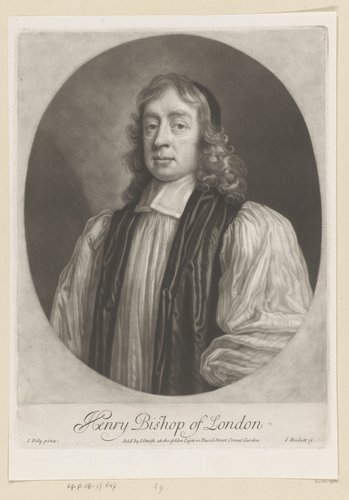
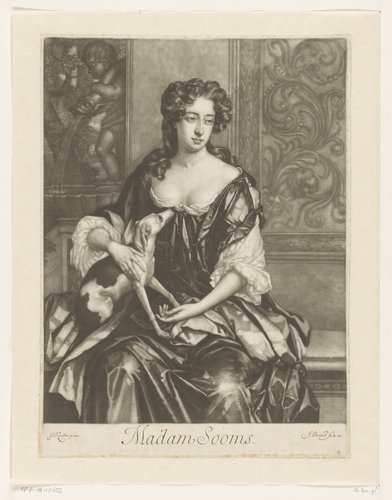
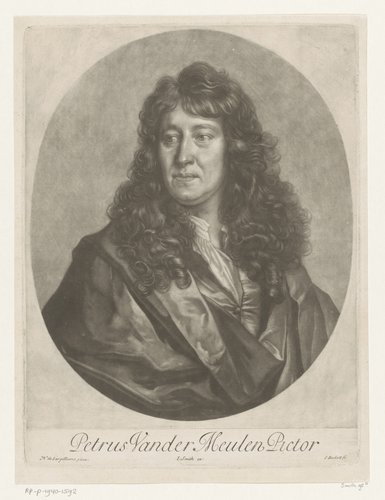
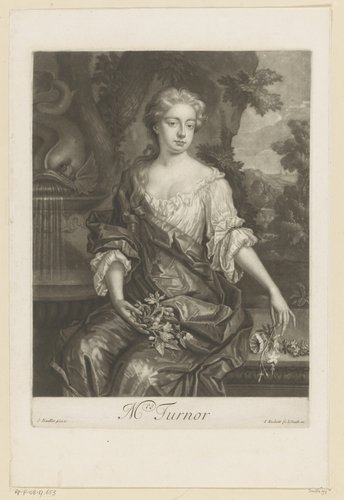
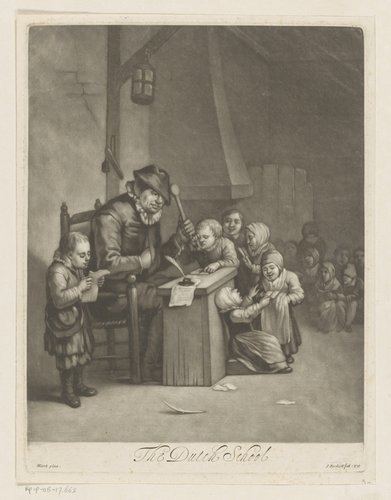
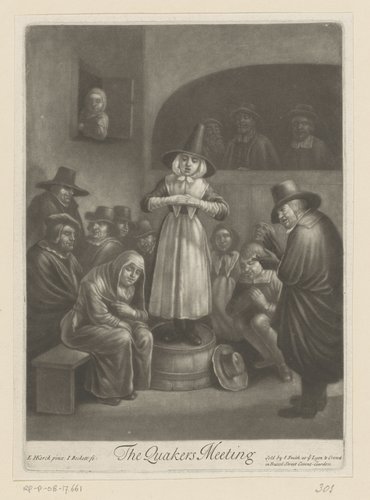
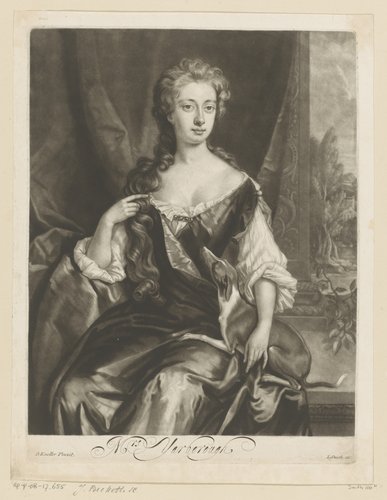
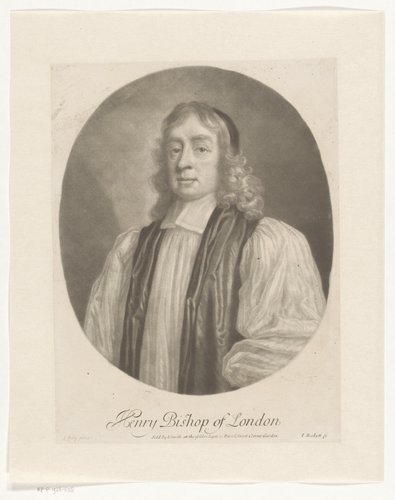
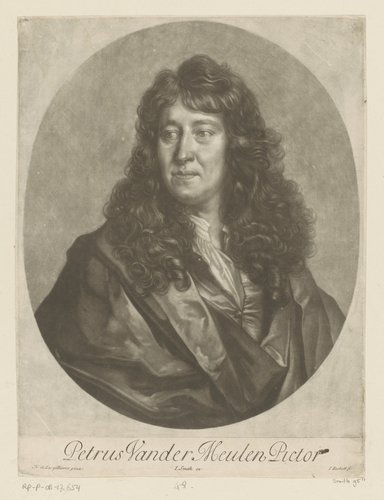
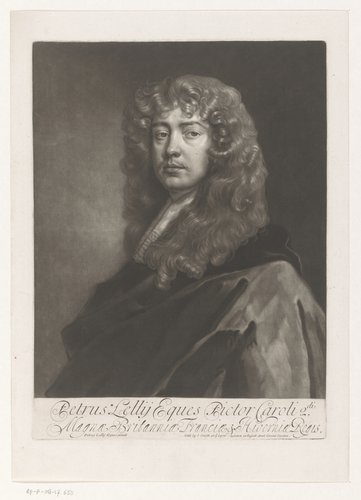
Isaac Beckett (1653–1719) was an English mezzotint engraver who played a foundational role in establishing the art of mezzotint engraving in England. Along with Robert Williams, he was among the first native Englishmen to extensively practice this innovative printmaking technique, which had been developed in continental Europe. Born in Kent in 1653, Beckett's career spanned from 1681 to 1688, during which time he produced over 107 portrait prints, primarily after designs by the leading court painters of the day—Sir Peter Lely, Godfrey Kneller, Willem Wissing, and John Riley. Beckett's significance lies not merely in his technical proficiency but in his role as a cultural intermediary who helped democratize portraiture in late Stuart England. His mezzotints made the likenesses of aristocrats, courtiers, and prominent figures accessible to a broader public than could afford original oil paintings. His work helped establish mezzotint as the premier medium for reproducing portraits in Britain, a dominance that would last throughout the eighteenth century. Though his productive years were relatively brief—concentrated in the 1680s—Beckett's influence extended well beyond his lifetime. His most talented pupil, John Smith (1652–1742), became one of the most accomplished mezzotint engravers of the early eighteenth century, ensuring that Beckett's techniques and standards were transmitted to the next generation. Beckett lived until 1719, three decades after his last dated prints, suggesting a prosperous retirement enabled by his marriage to a woman of fortune and his success as a print publisher.
Isaac Beckett was born in Kent in 1653, during the final years of the English Commonwealth and just before the Restoration of Charles II. Little is known about his family background, though his trajectory suggests respectable but not aristocratic origins.
His early career took an unconventional path. Beckett initially apprenticed to a calico printer in London, learning the technical skills of applying patterns to fabric—experience that would prove surprisingly relevant to his later work in printmaking, as both crafts required precise hand-eye coordination and understanding of how ink or dye transfers to substrate.
Beckett's artistic direction changed fundamentally when he encountered Edward Luttrell, an artist who introduced him to the newly-developed art of mezzotint engraving. This technique, invented in the mid-seventeenth century by Ludwig von Siegen and refined by Prince Rupert of the Rhine, was revolutionizing printmaking by enabling the reproduction of tonal values rather than just line work.
Eager to learn this new art, Beckett sought out John Lloyd, who was known to be familiar with the mezzotint process. Beckett offered his services to Lloyd and entered into formal articles to work for him. However, Beckett's impulsive nature soon manifested—he fell into unspecified trouble (possibly related to an 'intrigue,' as period sources delicately phrase it) and was compelled to leave Lloyd's employ.
Edward Luttrell came to Beckett's assistance during this difficult period, and the two men formed a professional association. This partnership proved crucial to Beckett's development, as Luttrell evidently possessed both technical knowledge of mezzotint and sufficient capital to support Beckett's training and early work.
Around 1680, Beckett's circumstances improved dramatically when he married a woman of fortune. This advantageous marriage provided the capital necessary for him to establish himself independently as a printmaker and publisher.
With his newfound financial resources, Beckett was able to set up his own workshop and, crucially, to publish his own prints. In the seventeenth century, the distinction between engraver and publisher was often fluid, but the ability to publish one's own work represented both artistic independence and commercial ambition. It meant Beckett could retain copyright and profits from his plates rather than working for others.
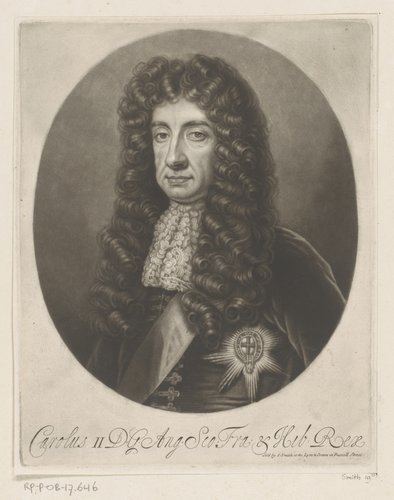
This financial independence arrived at a propitious moment. The Restoration court of Charles II had created enormous demand for portraits of the king, his courtiers, and the beauties who graced Whitehall Palace. Sir Peter Lely, as Principal Painter to the King, had created an extensive gallery of portraits that were prime candidates for reproduction in mezzotint.
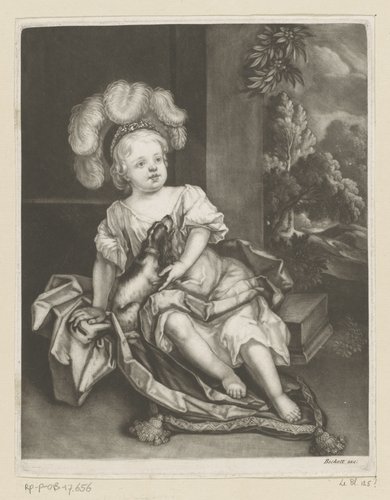
Beckett's dated plates span the years 1681 to 1688, representing a remarkably concentrated period of artistic production. During these seven years, he created over 107 known portrait mezzotints, establishing himself as one of England's premier reproductive engravers.
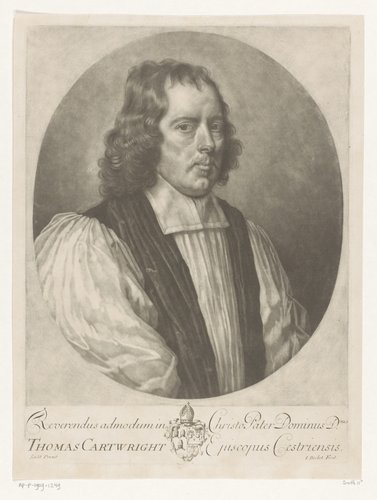
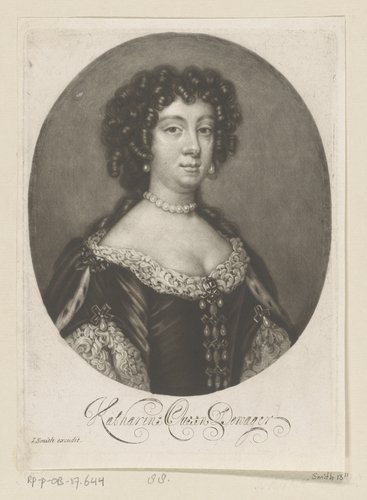
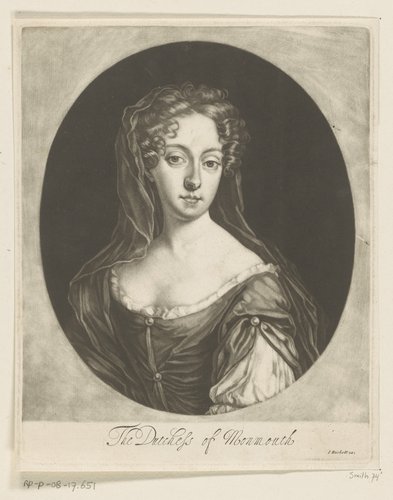
His work focused almost exclusively on portraiture, the genre most suited to mezzotint's tonal capabilities. The vast majority of his plates reproduced paintings by the leading portraitists of the Restoration era. Sir Peter Lely provided the most frequent source, followed by Godfrey Kneller (who would succeed Lely as Principal Painter), Willem Wissing (a Dutch portraitist active at the English court), and John Riley (an English portrait painter).
Beckett's technique exemplified the best qualities of early English mezzotint. His plates successfully captured not just the physical likenesses but also the elegant, slightly languorous aristocratic ideal that Lely had perfected. His prints reproduced the sumptuous fabrics, the casual poses, and the idealized features that characterized Restoration court portraiture.
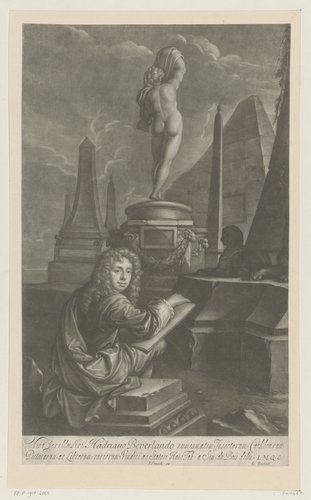
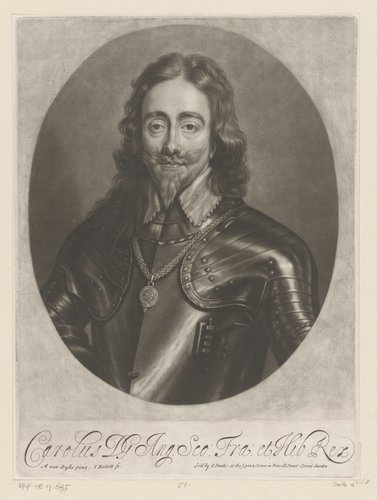
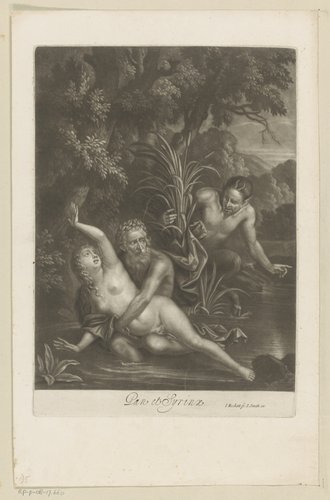
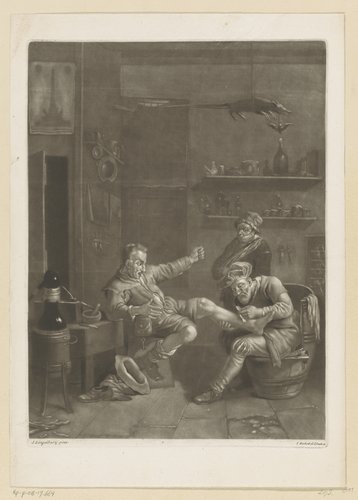
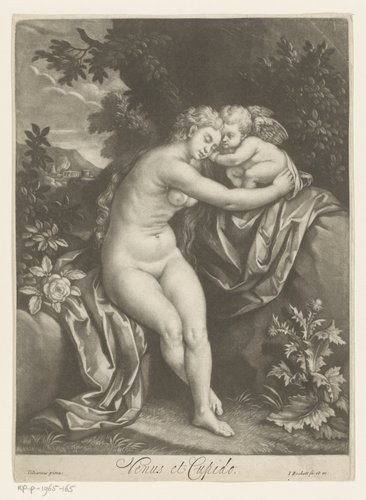
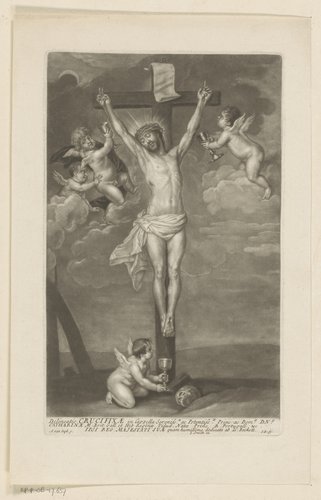
In addition to portraits, Beckett's oeuvre included several biblical and allegorical subjects, as well as a few landscapes. These demonstrated his versatility, though they remained a small proportion of his output. His primary commercial success lay in satisfying the public appetite for images of the famous and fashionable.
Beckett's work as a publisher proved equally important to his legacy. By controlling the publication and distribution of his prints, he helped establish the commercial infrastructure of the English print trade. His publications would have circulated through print shops, reaching customers ranging from wealthy collectors to more modest purchasers who could afford individual sheets.
After 1688, Beckett's production of new mezzotints apparently ceased. No plates dated later than 1688 have been identified, despite the fact that he lived another three decades. This cessation coincides roughly with the Glorious Revolution of 1688, which brought William III and Mary II to the throne, but whether political events or personal circumstances caused Beckett's withdrawal from active engraving remains unclear.
During his active years, Beckett had taken on at least one apprentice: John Smith (c.1652–1742), who would become one of the most accomplished and prolific mezzotint engravers in British history. Smith learned Beckett's techniques and standards, then expanded upon them during a career that stretched into the reign of George II.
However, a professional falling-out apparently occurred between master and pupil. Smith obtained possession of many of Beckett's copper plates, and he not only published impressions from them but, controversially, placed his own name on some plates—not merely as publisher but actually as engraver, thereby claiming credit for Beckett's work. This appropriation suggests either a business dispute or perhaps that Beckett, in financial difficulty, had sold his plates to Smith along with rights to publish them as Smith saw fit.
Despite this apparent conflict, the master-pupil relationship between Beckett and Smith proved crucial to the development of English mezzotint. Smith refined and extended the techniques Beckett had helped introduce, training additional engravers and helping establish the mezzotint tradition that would dominate British printmaking throughout the eighteenth century.
Beckett lived in relative obscurity during his final three decades, supported presumably by his wife's fortune and whatever income his early success had generated. He died in 1719, having witnessed the transformation of mezzotint from a novel Continental technique to an established English artistic tradition—a transformation he had helped accomplish.
Artheon Research Team
Last updated: 2025-11-09
Biography length: ~1,842 words