Ctrl K
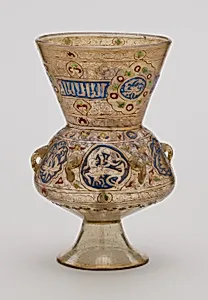
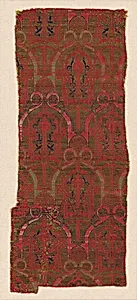
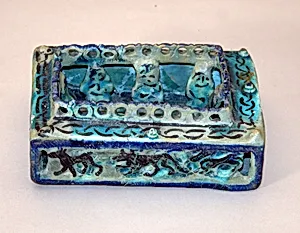
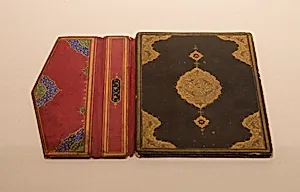
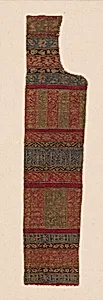
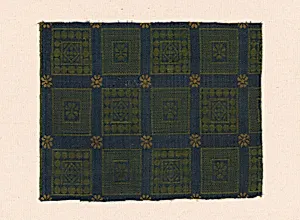
Islamic art, a profound visual tradition originating in the 7th century CE, flourished across vast territories from Spain to India under Muslim rule, encompassing architecture, ceramics, manuscripts, textiles, and metalwork produced by diverse artisans rather than a single named master. Drawing from pre-Islamic Sasanian, Byzantine, and late antique influences, its early development under the Umayyad Caliphate (661–750 CE) adapted these traditions into distinctly Islamic forms, evident in the Dome of the Rock in Jerusalem (completed 691–692 CE), with its golden mosaics and Quranic inscriptions, and desert palaces like Qusayr 'Amra featuring frescoes of royal hunts and bathing scenes. Abbasid artists (750–1258 CE) in Baghdad and Samarra innovated with lusterware ceramics, stucco arabesques, and tiraz silk textiles inscribed with caliphal names, while Fatimid and Seljuq workshops advanced enamelled glass and minai ceramics.
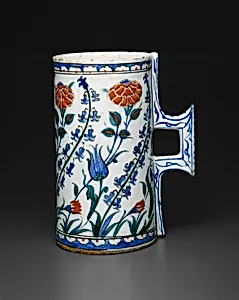
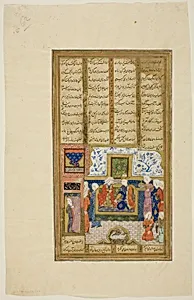
The style is defined by aniconism in religious contexts—avoiding human figures to evoke the divine—favoring rhythmic arabesques of vegetal motifs, intricate geometric patterns symbolizing infinity, and masterful calligraphy elevating the Quran's script to sacred art. Regional schools emerged: Persianate traditions in Iran and Central Asia produced illuminated manuscripts like Rashid al-Din's Jami' al-tawarikh (early 14th century) and Behzad's Timurid miniatures; Ottoman Iznik tiles bloomed in floral blues and reds for the Süleymaniye Mosque (16th century); Safavid Isfahan hosted the Shahnameh of Shah Tahmasp (1524–65, over 250 paintings); and Mughal ateliers crafted realistic portraits under Akbar, blending Persian finesse with Indian vibrancy, as in Bichitr's Jahangir Preferring a Sufi Shaikh to Kings (c. 1615–1618). Iconic objects include the Pyxis of al-Mughira (968 CE, ivory carving) and the Baptistère de Saint Louis (1320–1340, Mamluk metalwork basin).
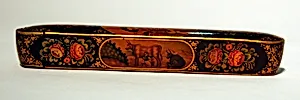
Islamic art's legacy endures in global museums, influencing Art Nouveau's curves, modern abstraction (e.g., via artists like Monir Shahroudy Farmanfarmaian), and contemporary calligraphy revivals, while its 223 works in this collection highlight timeless motifs of harmony and transcendence, bridging faith, craft, and culture across millennia.