Ctrl K
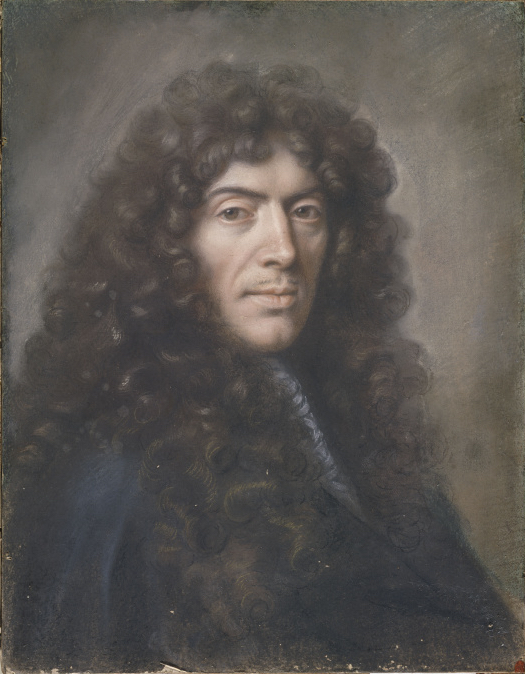
1621–1691
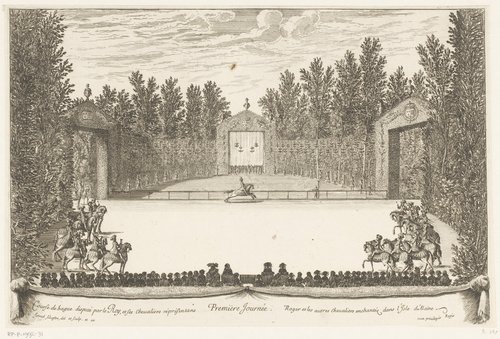
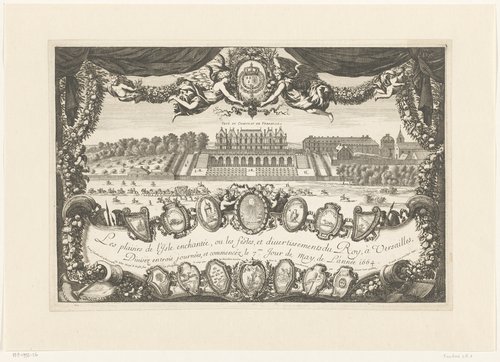
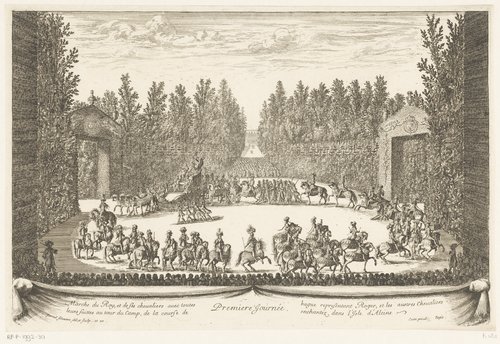
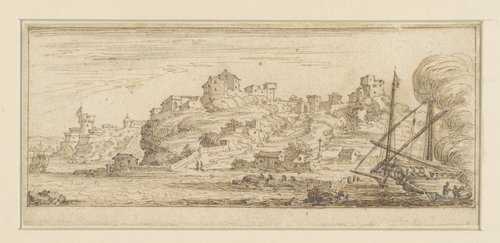
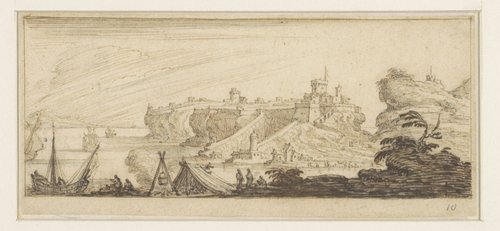
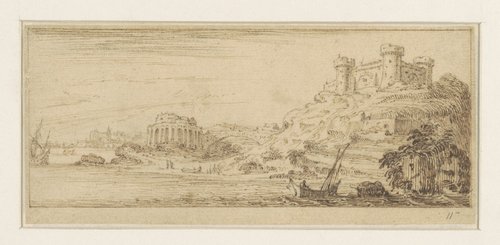
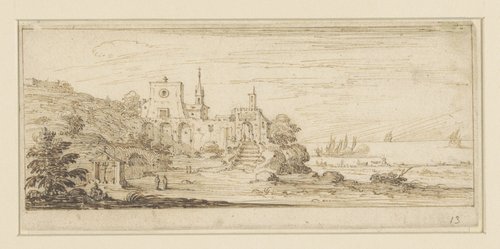
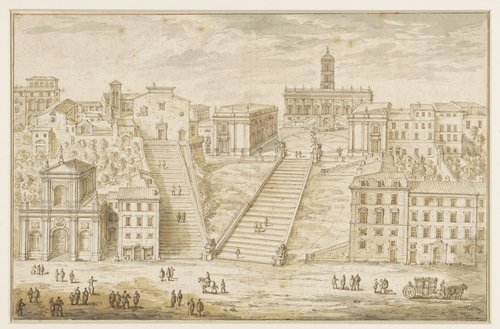
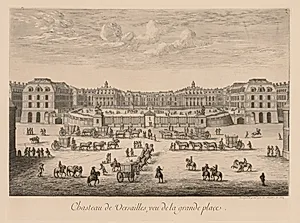
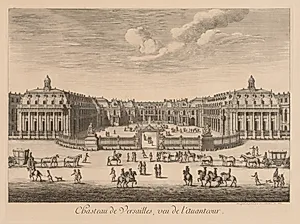
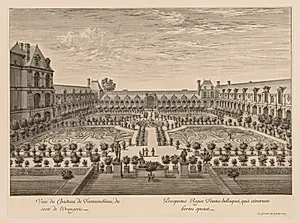
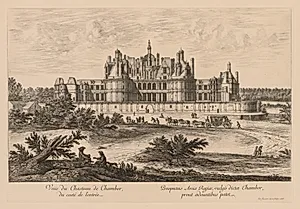
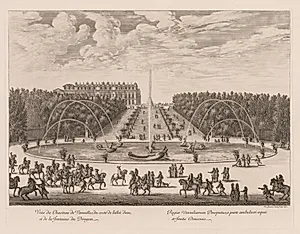
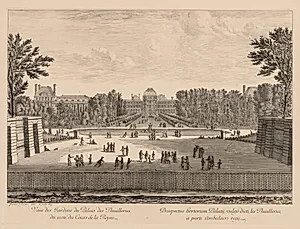
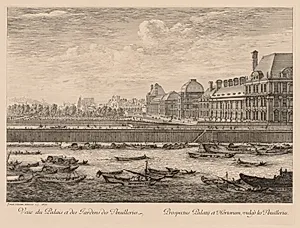
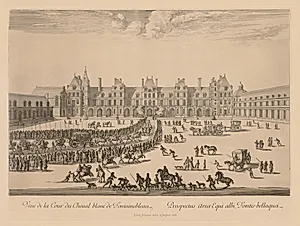
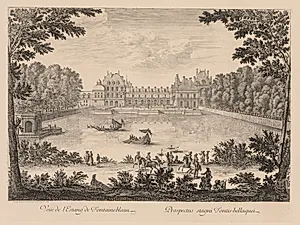
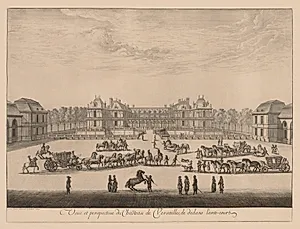
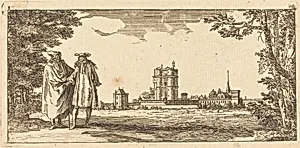
Israël Silvestre (1621–1691) was one of the most accomplished and prolific topographical etchers of seventeenth-century France, a draughtsman whose meticulous views of European cities, royal châteaux, and ancient ruins served simultaneously as artistic documents and instruments of royal prestige. Born on 13 August 1621 in Nancy, Lorraine, Silvestre was orphaned at an early age and taken in by his uncle in Paris, Israël Henriet, an etcher, print-seller, and close friend of the master engraver Jacques Callot. Henriet's household provided Silvestre with both a technical education in printmaking and an invaluable connection to the leading currents of the art.
Between the 1630s and 1650s, Silvestre traveled widely — through France, Spain, and Italy, which he visited at least three times — filling sketchbooks with careful drawings of buildings, landscapes, and city panoramas that he later worked up as etchings for sale singly and in series. His Italian views, particularly those of Venice published in the 1660s, were widely distributed and proved highly influential: eighteenth-century painters of vedute, including Luca Carlevaris and Canaletto, drew directly on his compositions. In 1661, Silvestre inherited Henriet's stock of printing plates, which included significant portions of the works of both Callot and Stefano della Bella — an inheritance that positioned him at the center of the Parisian print trade.
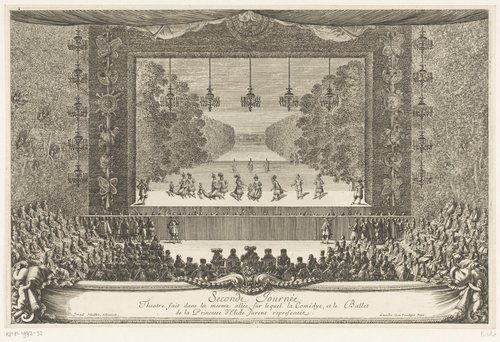
Royal recognition came steadily. In 1667 he was appointed dessinateur du Roi (royal draughtsman), received lodgings in the Louvre in 1669, was admitted to the Royal Academy in 1670, and in 1673 became drawing master to the children of the Dauphin. In this capacity his topographical work carried a political function, documenting the palaces, gardens, and military triumphs of Louis XIV's France in forms suitable for wide circulation and royal display.
Silvestre died in Paris on 11 October 1691. His vast body of etchings constitutes an invaluable visual record of seventeenth-century European architecture and urbanism, and his influence on the tradition of architectural and topographical printmaking extended well into the following century.