Ctrl K
1772–1861
**William Moulton IV (1772–1861)** was an American silversmith working in Newburyport, Massachusetts, continuing a distinguished family tradition that stretched back generations. Born into the Moulton line of craftsmen, he established his own shop on Merrimack Street and produced silverware from roughly 1795 until the mid-nineteenth century. His output included both domestic and ecclesiastical pieces, reflecting the practical elegance demanded by New England patrons of the Federal and early Victorian eras.)
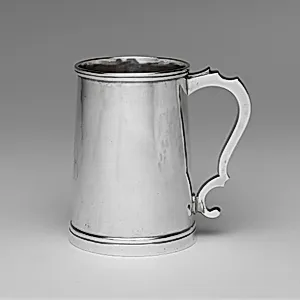
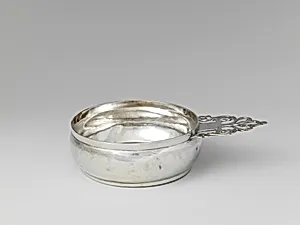
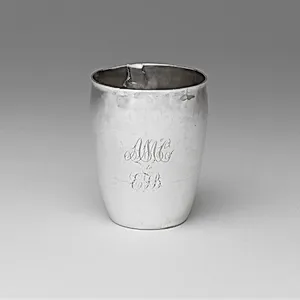
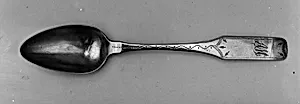
Moulton’s work exemplifies the refined yet functional style of early American silver. He crafted mugs, porringers, spoons, creampots, and jewelry, often marked with his distinctive stamp. Notable surviving examples include a silver mug dated 1825–50 now in the Metropolitan Museum of Art and a porringer from the same collection, both demonstrating clean lines and balanced proportions typical of Newburyport production. He also supplied church silver and formed a brief partnership as Moulton & Lunt.
A key figure in the transmission of the craft, Moulton trained apprentices who carried the tradition forward, most notably Anthony Francis Towle, later co-founder of the Towle Silversmiths firm. His longevity—working well into his seventies—helped sustain Newburyport’s reputation as a center of American silvermaking. Today his pieces appear in museum collections and at auction, valued for their historical connection to one of the longest-running family workshops in early American decorative arts.
All 5 artworks loaded