Ctrl K
1855
J. Henry Marley was an American artist active in the 1930s who contributed work to the Index of American Design, a landmark cultural project of the New Deal era administered through the Federal Art Project. The Index employed hundreds of artists across the United States to create precise watercolor renderings of American decorative arts, crafts, and material culture from the colonial period through the end of the nineteenth century, with the goal of creating a permanent pictorial archive of the nation's artistic heritage.
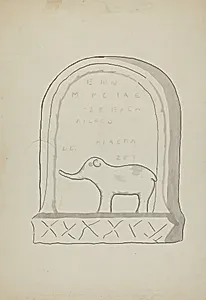
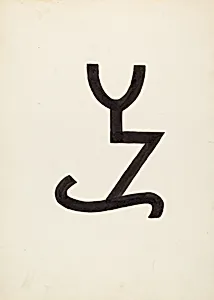
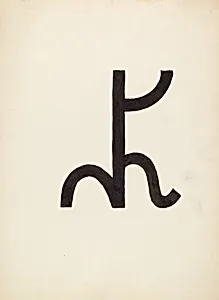
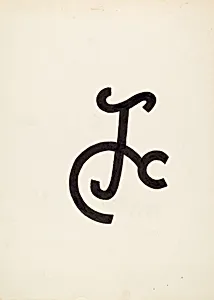
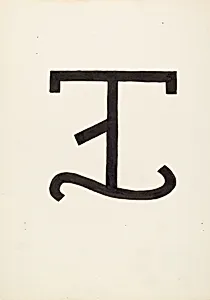
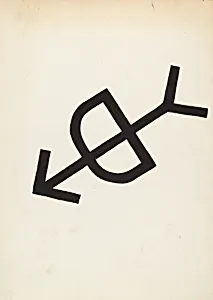
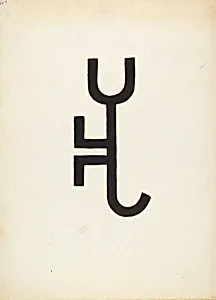
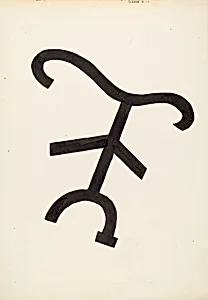
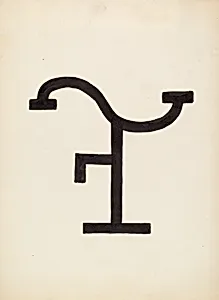
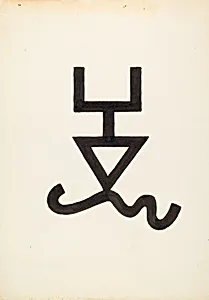
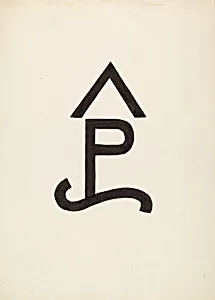
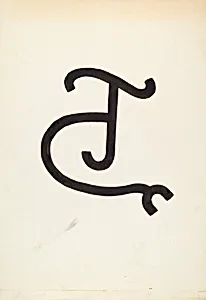
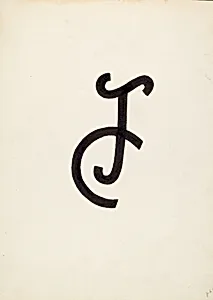
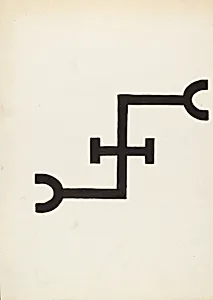
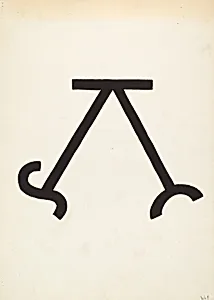
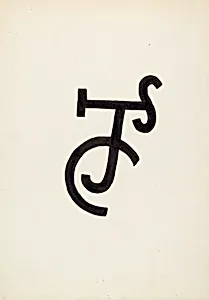
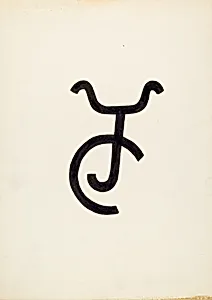
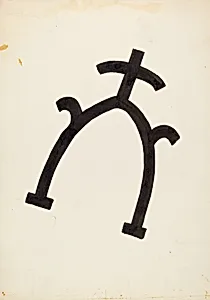
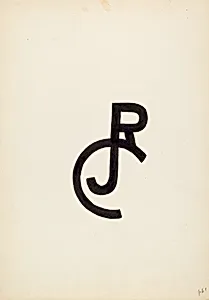
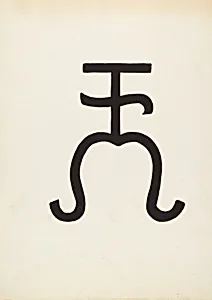
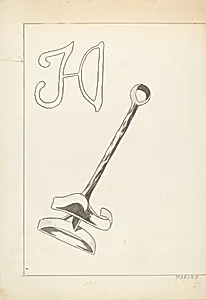
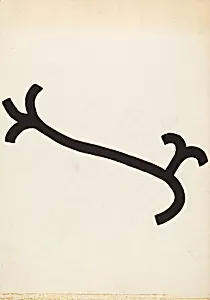
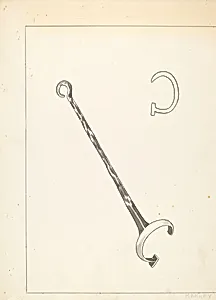
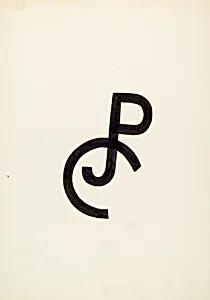
Marley's contributions to the Index, now held in the collection of the National Gallery of Art in Washington, D.C., include detailed watercolor studies of American cattle brands and related subjects dating from around the mid-1930s. These works exemplify the Index's meticulous documentary approach: each rendering was expected to capture not only the visual appearance of its subject but also the material qualities of the original object, with careful attention to texture, color, and craft.
The artists who worked on the Index came from a wide range of backgrounds and training, united by their skill in precise observational drawing and their ability to produce technically reliable images. For many, participation in the project provided critical employment during the Depression years while contributing to a body of work that continues to serve as an invaluable historical resource. Marley's watercolors represent his contribution to this collective enterprise of visual documentation, preserving images of vernacular American material culture that might otherwise have gone unrecorded.
Beyond his participation in the Index of American Design, detailed biographical information about Marley remains limited. His work survives primarily through the National Gallery of Art's holdings from the Index, where it stands as a record of both American material history and the artistic labor that the New Deal invested in documenting it.