Ctrl K
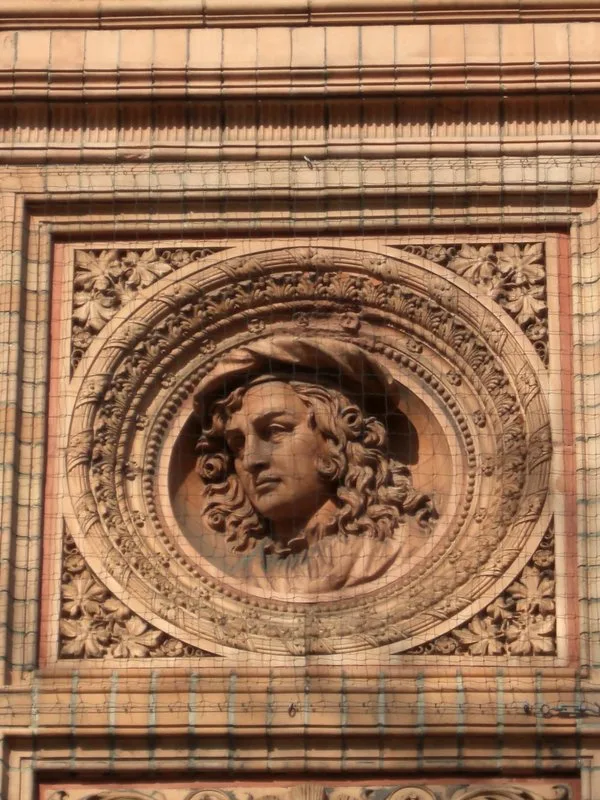
1623–1682
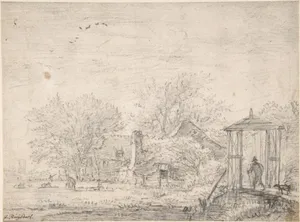
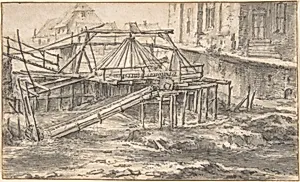
Jacob van Ruisdael (c. 1629–1682) was a Dutch painter and etcher who is widely regarded as the greatest landscape painter of the Dutch Golden Age and one of the supreme landscape artists in Western art. Born in Haarlem, he was trained by his father, the frame-maker and painter Isaack van Ruisdael, and by his uncle, the landscape painter Salomon van Ruysdael. He became a member of the Haarlem Guild of Saint Luke at the remarkably young age of about nineteen.
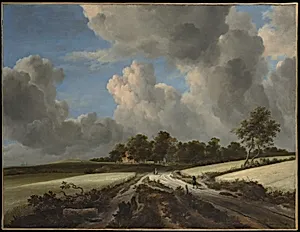
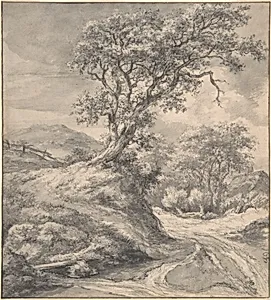
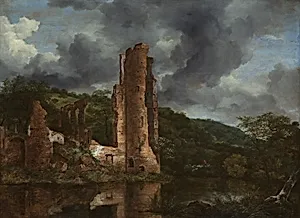
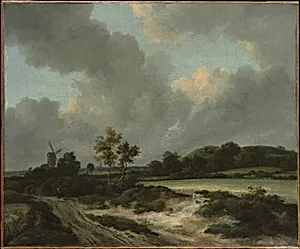
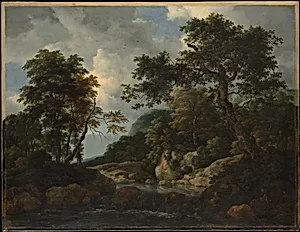
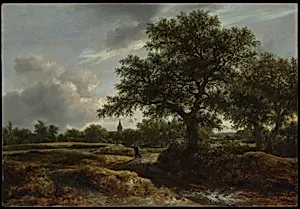
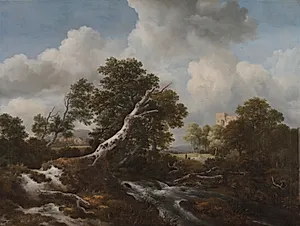
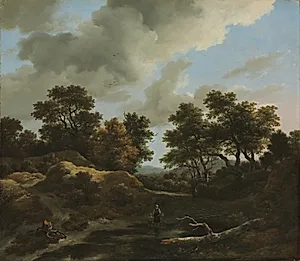
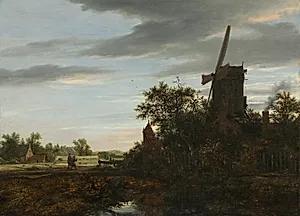
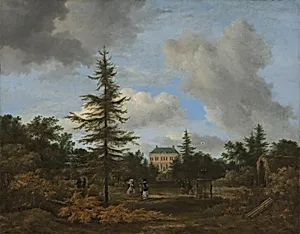
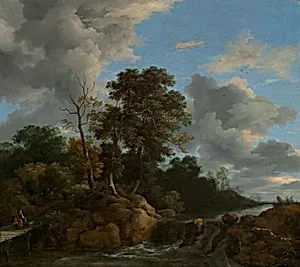
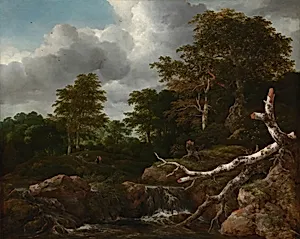
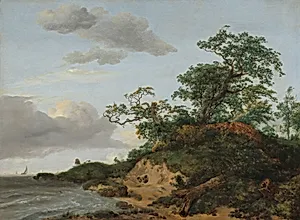
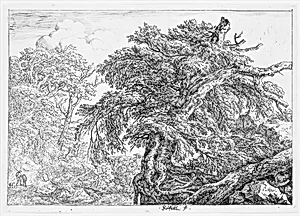
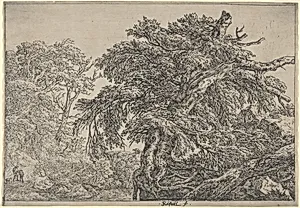
Ruisdael's landscapes encompass an extraordinary range of subjects and moods — from panoramic views of the flat Dutch countryside under vast, turbulent skies to intimate woodland scenes, rushing waterfalls, winter landscapes, and dramatic seascapes. His paintings are distinguished by their structural grandeur, their powerful rendering of trees (which dominate many compositions with an almost animate presence), and their profound sensitivity to atmospheric conditions. Works such as "The Jewish Cemetery" (c. 1654–55), "The Windmill at Wijk bij Duurstede" (c. 1670), and "View of Haarlem" demonstrate his ability to invest landscape with emotional and symbolic resonance.
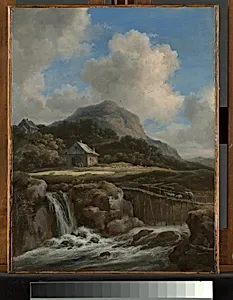
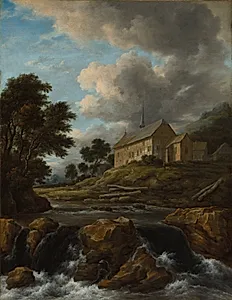
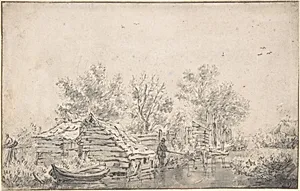
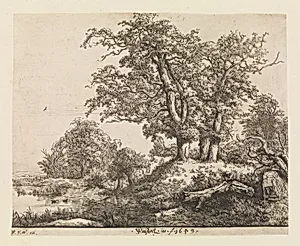
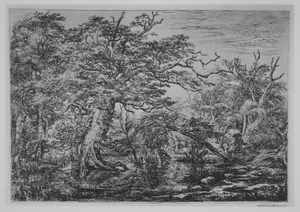
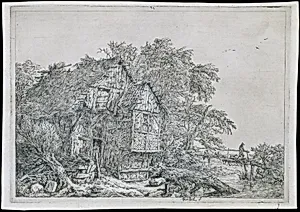
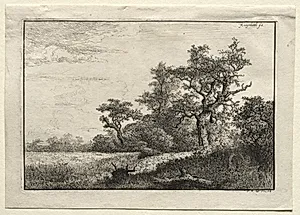
Unlike many Dutch landscape painters who specialized in particular types of scenery, Ruisdael continually expanded his range, painting Scandinavian-inspired mountain torrents and waterfalls he had never personally witnessed alongside the dunes, beaches, and polders of his native Holland. His approximately 700 paintings and his important body of etchings constitute one of the most substantial and varied achievements in landscape art.
Ruisdael's influence was immense. His pupil Meindert Hobbema carried his tradition forward, and in the nineteenth century, John Constable and the Barbizon painters explicitly acknowledged their debt to his example. His paintings are held by the Rijksmuseum, the National Gallery in London, the Gemäldegalerie in Berlin, the Metropolitan Museum of Art, and the Kunsthaus Zürich.