Ctrl K
1497–1516
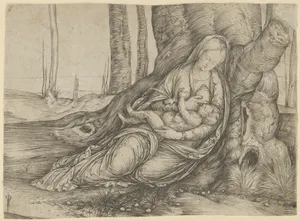
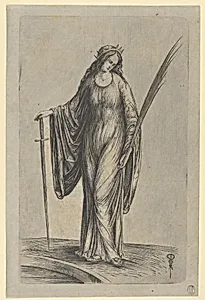
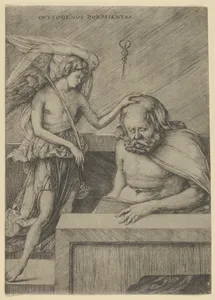
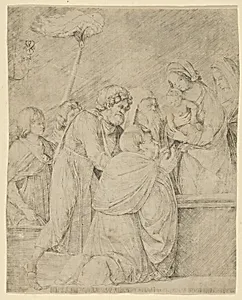
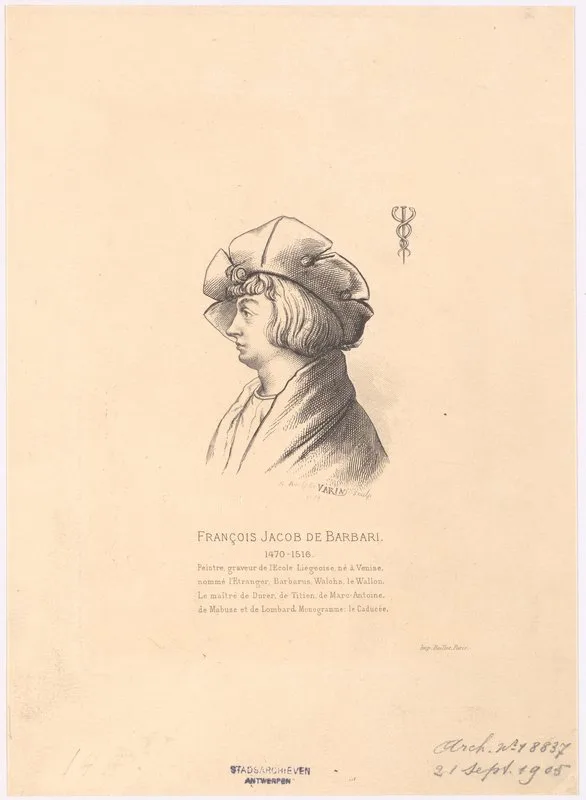
Jacopo de' Barbari (c. 1460/70–before 1516) was an Italian painter, printmaker, and miniaturist of Venetian background whose career unfolded across the courts and workshops of northern Europe, making him one of the most important conduits between Italian Renaissance art and the northern artistic tradition in the years around 1500. Little is known of his training or his early decades; Alvise Vivarini has been proposed as a possible master, and his early works show him operating confidently within the Venetian visual tradition while simultaneously absorbing influences from northern engraving.
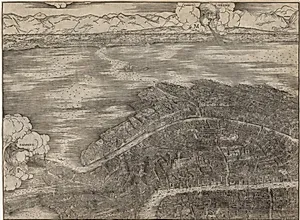
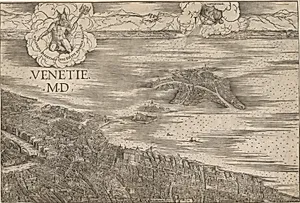
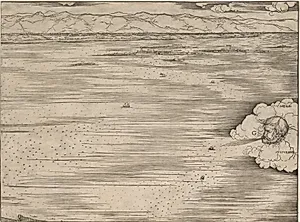
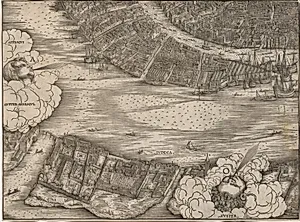
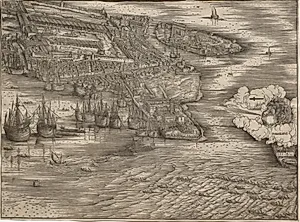
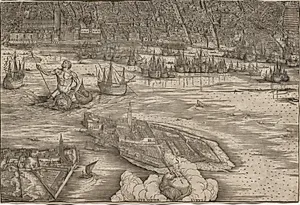
De' Barbari's most celebrated achievement from his Venetian period is the monumental View of Venice, a bird's-eye panoramic woodcut printed from six blocks and published in late 1500 by the Nuremberg merchant Anton Kolb. Designed between 1498 and 1500, this image—measuring approximately 135 by 280 centimeters when assembled—is among the most ambitious prints of the Renaissance, combining topographical accuracy with visual grandeur and offering a comprehensive portrait of the city of Venice at the height of its power. It remains one of the foundational documents of urban cartography and print history.
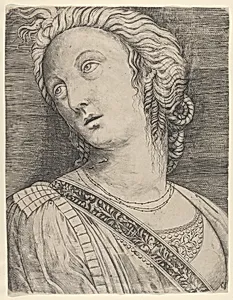
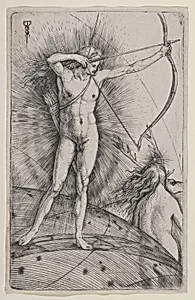
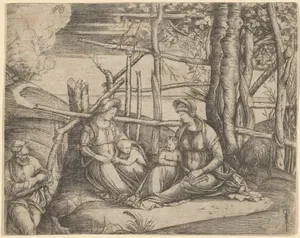
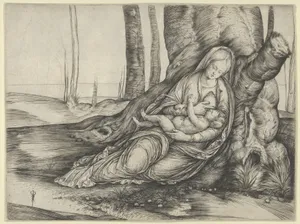
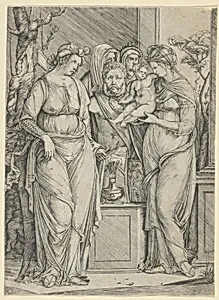
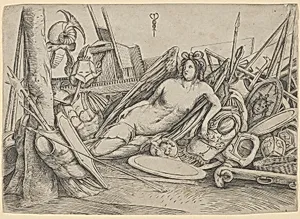
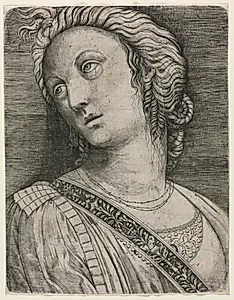
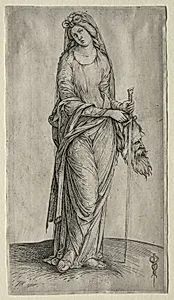
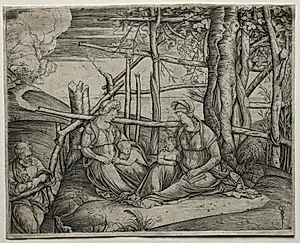
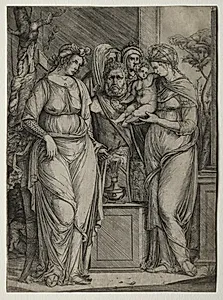
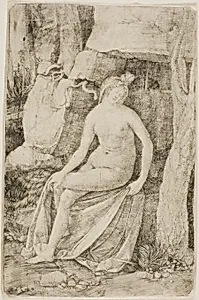
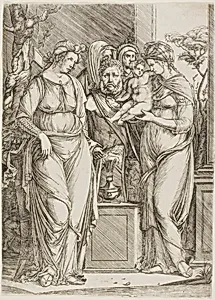
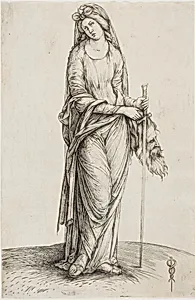
Around 1500 de' Barbari left Venice for Germany, where he entered the service of the Emperor Maximilian I before working successively for Frederick the Wise of Saxony, Elector Joachim I of Brandenburg, and eventually Archduchess Margaret of Austria in Brussels and Mechelen. In these northern courts he introduced Italian Renaissance figure style, perspective, and mythological subject matter to audiences more familiar with the Gothic tradition, while in turn absorbing the technical refinements of northern European printmaking. His engravings of mythological subjects—Mercury and Argus, Cleopatra, Mars and Venus—combine Italian classical content with a northern precision of line.
De' Barbari also produced paintings, including a celebrated still life of a dead partridge and gauntlets that is among the earliest surviving pure still lifes in European painting. He died before 1516, probably in the Low Countries. His career, spanning Venice, the Imperial court, and the courts of northern Europe, makes him an essential figure in understanding the pan-European circulation of Renaissance art at the turn of the sixteenth century.