Ctrl K
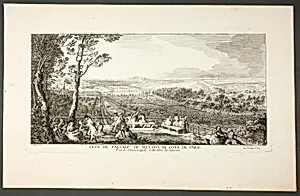
1681–1754
Jacques Rigaud (1681–1754), born in Puyloubier near Aix-en-Provence to an apothecary father, emerged as one of the eighteenth century's premier topographical draughtsmen and engravers. Little is known of his early training, though he began his career in Marseille under the patronage of Nicolas Lamoignon, Marquis de Basville, governor of Languedoc. His earliest dated work, a panoramic *View of Toulon During the Siege of 1707* at age twenty-six, captured the naval drama with meticulous detail and was reproduced as an engraving now held in the Musée du Vieux Toulon. Through 1720, Rigaud produced series like *Scènes de jeux et fêtes en Provence* and *Marines où sont représentés divers sujets des galères*, dedicated to the Chevalier d’Orléans, alongside stark views of Marseille's plague that year.
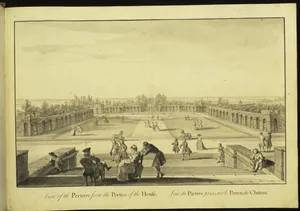
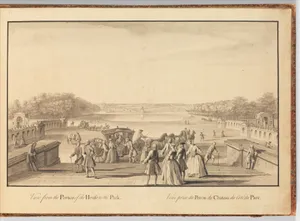
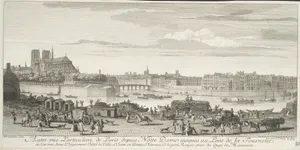
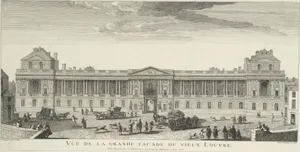
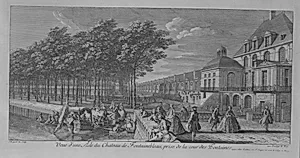
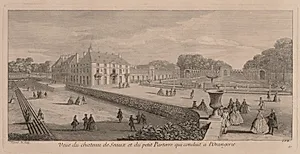
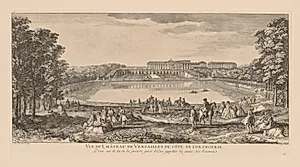
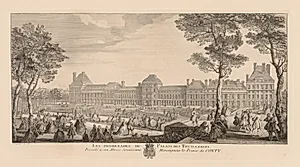
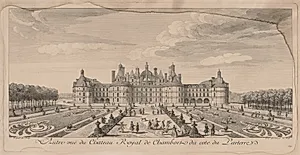
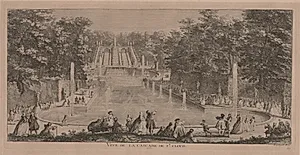
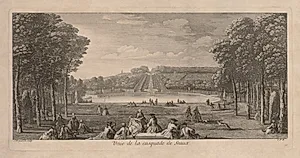
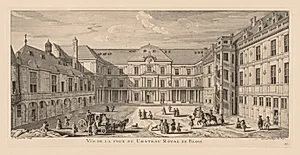
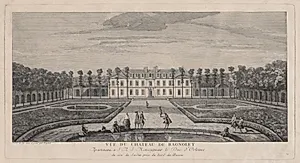
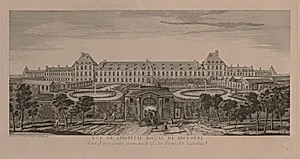
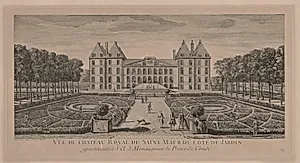
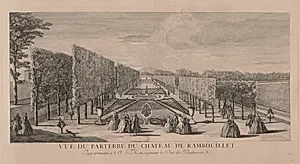
Relocating to Paris around 1720, Rigaud established a successful shop on rue Saint-Jacques as a printseller and produced his masterpieces documenting French royal splendor. His crowning achievement, *Les Maisons Royales de France*—a monumental series of 138 engravings begun in 1730 and completed by his nephew Jean-Baptiste Rigaud—depicted Versailles, the Louvre, Saint-Cloud, Marly, Fontainebleau, and more, blending architecture, formal gardens, and animated figures of courtiers and gardeners. Other key works included *Les Promenades du Luxembourg* (1729) and the festive *Description des fêtes données par la ville de Paris* (1740), while *Recueil Choisi des Plus Belles Vues des Palais* (c. 1752) further showcased his oeuvre of some 200 prints.
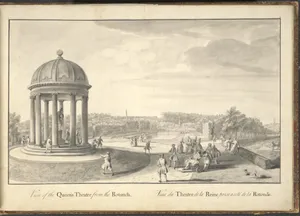
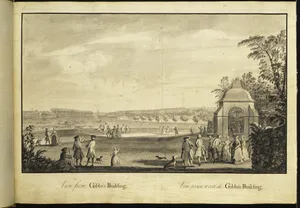
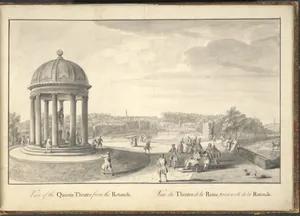
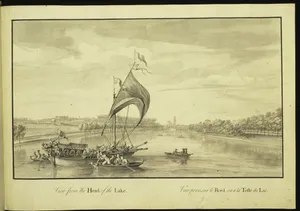
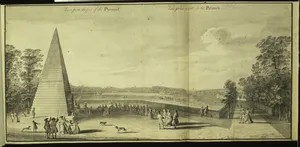
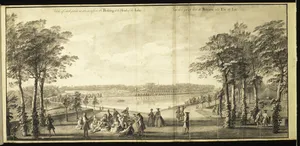
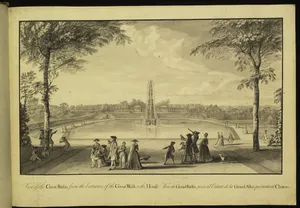
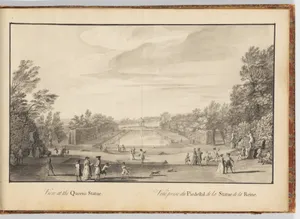
In 1733, invited by royal gardener Charles Bridgeman, Rigaud traveled to England for about a year and a half, sketching aristocratic landscapes like Stowe's 16 views (commissioned by Bridgeman), Chiswick House (for Lord Burlington, though unpublished due to a dispute), Hampton Court, Richmond, and Claremont for the Duke of Newcastle. His style—marked by exquisite clarity, precise pen-and-ink lines with wash, balanced compositions from elevated viewpoints, and Rococo elegance in figures—inherited the veduta tradition of Israël Silvestre while infusing lightness akin to Watteau.
Rigaud's legacy endures as a vital chronicler of vanishing grandeur: his prints preserve lost châteaux and gardens, disseminated French formal design and emerging English picturesque styles across Europe, influencing architects and designers. Housed in institutions like the National Gallery of Art and British Museum, they offer vivid windows into aristocratic life.