Ctrl K
1864–1946
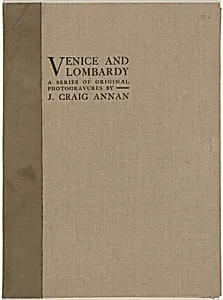
James Craig Annan (1864–1946) was a Scottish photographer widely regarded as one of the leading figures in the Pictorialist movement that sought to establish photography as a legitimate fine art at the turn of the twentieth century. The son of the distinguished Glasgow photographer Thomas Annan, James Craig grew up immersed in the craft and business of photography, inheriting both his father's technical knowledge and his commitment to photographic quality. A formative visit to Vienna in 1883, where he learned the photogravure process from its inventor Karl Klic, gave him command of a technique that would allow him to translate photographic imagery into richly tonal prints of exceptional beauty.
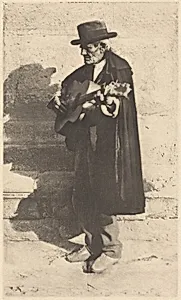
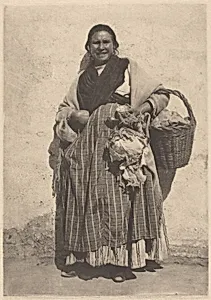
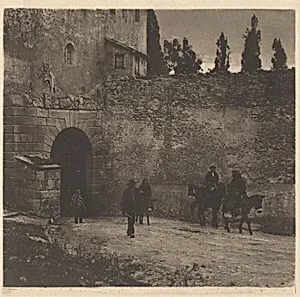
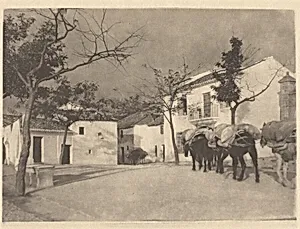
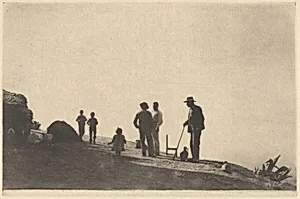
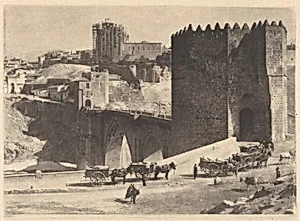
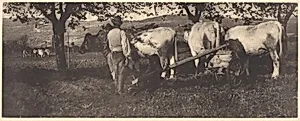
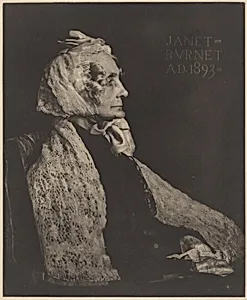
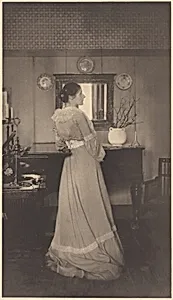
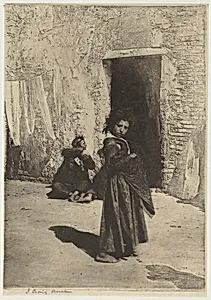
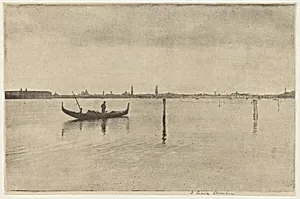
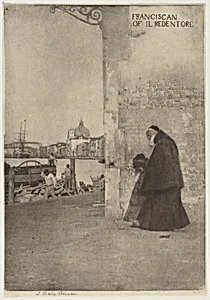
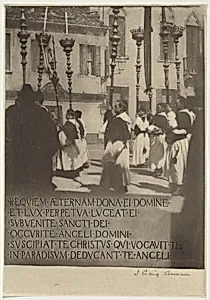
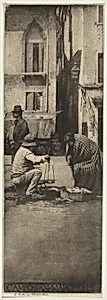
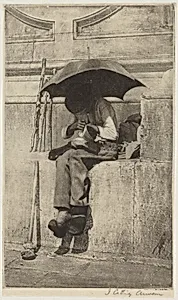
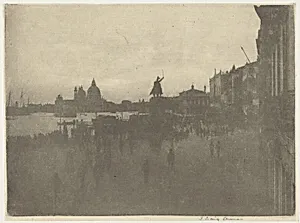
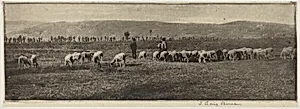
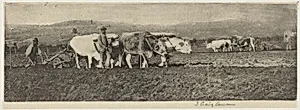
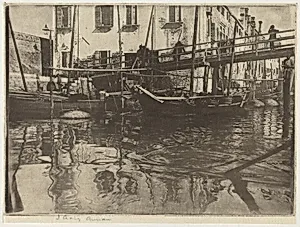
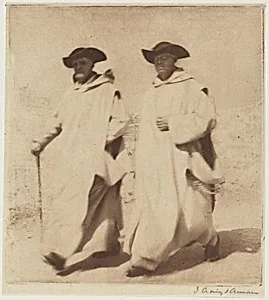
Annan became a master of the photogravure, using it to reproduce both his own photographs and those of historical masters — most notably the work of the Scottish painter-photographer David Octavius Hill, whose calotype portraits of the 1840s Annan helped rescue from obscurity. His own photographic subjects ranged from portraits and street scenes to landscapes and architectural studies, all characterized by a painterly sensitivity to light, tone, and composition that placed his work firmly within the Pictorialist aesthetic. He was closely associated with the Photo-Secession movement led by Alfred Stieglitz in New York, appearing in Stieglitz's landmark journal Camera Notes and later Camera Work.
Annan was a founding member and active supporter of the Linked Ring Brotherhood, the British organization of Pictorialist photographers that brought together the most serious artistic practitioners of the medium. His international reputation was considerable: his photographs were shown in major exhibitions across Europe and North America, and he counted among his admirers many of the most important figures in both photography and the fine arts.
Though the Pictorialist aesthetic he championed eventually gave way to the sharper, more documentary modernist vision of the 1920s and beyond, Annan's prints — with their atmospheric depth and tonal refinement — remain among the most accomplished works of their era. He stands as a pivotal figure in the effort to secure photography's place among the recognized arts.