Ctrl K
1797–1863
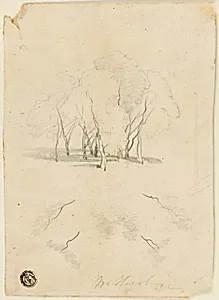
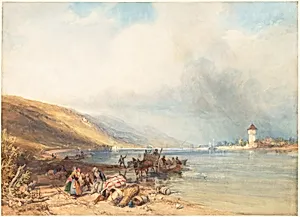
James Duffield Harding (1798–1863) was one of the most influential British watercolorists and lithographers of the nineteenth century, whose teaching manuals, technical innovations, and celebrated landscape paintings shaped the practice of drawing across two generations of artists. Born in Deptford, London, he was the son of a drawing master who had studied under Paul Sandby, and received his earliest instruction in perspective from his father. He also studied under Samuel Prout, whose architectural subjects left a lasting impression on his early work. Apprenticed briefly to the engraver Charles Pye, Harding found the trade uncongenial and left within a year to devote himself entirely to watercolor painting. At thirteen he had already exhibited architectural drawings at the Royal Academy, and at eighteen he received a silver medal from the Society of Arts.
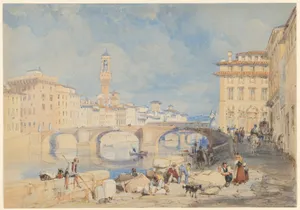
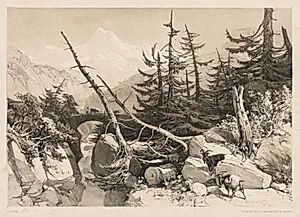
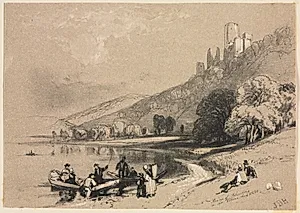
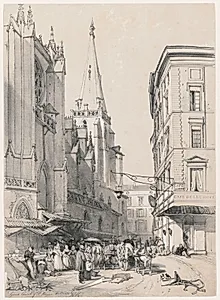
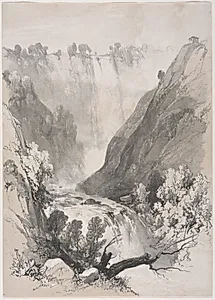
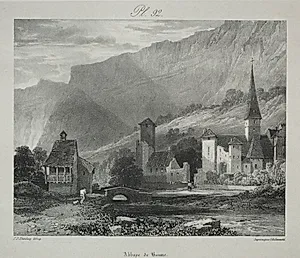
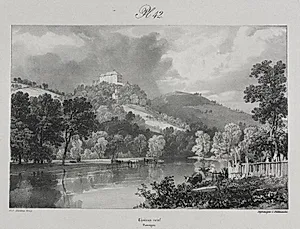
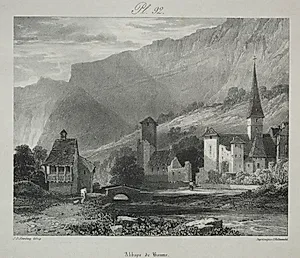
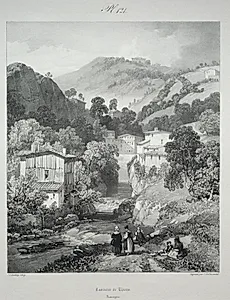
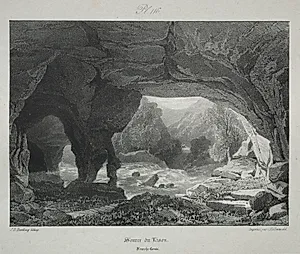
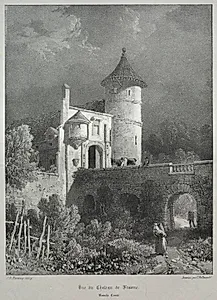
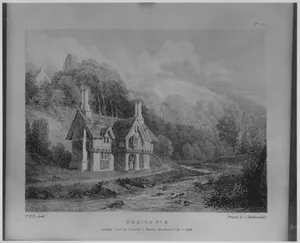
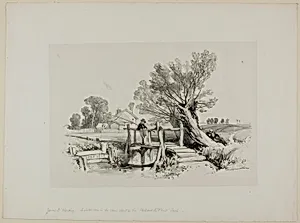
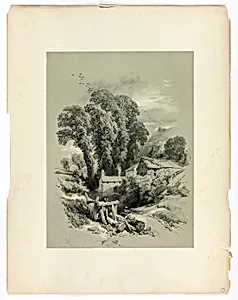
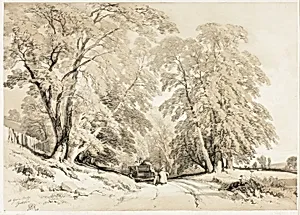
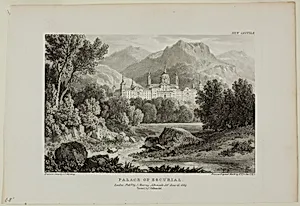
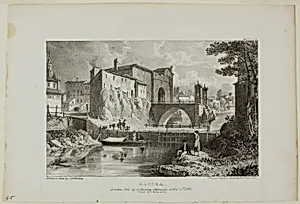
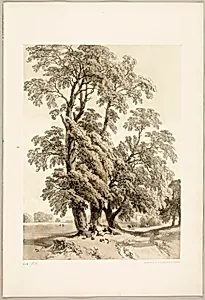
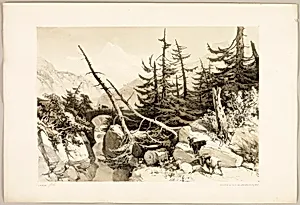
Harding's professional career was anchored in the Society of Painters in Watercolours, which he first exhibited with in 1818 and of which he became an associate in 1820 and a full member in 1821. He made frequent journeys to France, Italy, Switzerland, and Germany, using his continental travels to develop a landscape style celebrated for its atmospheric grandeur and its vivid rendering of foliage. His innovation of painting on tinted papers of varied colors and textures, shown at his 1830 exhibition of Italian views, was widely imitated and helped define the look of British watercolor in the Victorian era. He also invented the technique he called "lithotint" — applying lithographic ink with a brush rather than a crayon — first demonstrated in his 1841 publication The Park and the Forest.
Harding was Ruskin's drawing master and a companion on sketching expeditions, and John Ruskin praised him in Modern Painters as "after Turner, unquestionably the greatest master of foliage in Europe." His educational manuals, including Lessons on Art and The Principles and Practice of Art, became standard texts in Britain and abroad. From the 1830s, Winsor and Newton produced "JDH pure drawing paper" — paper in white and various tinted shades — specifically associated with his methods, which remained commercially available until around 1910.
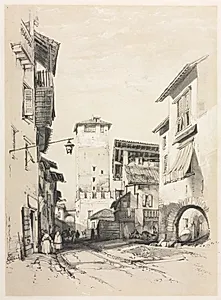
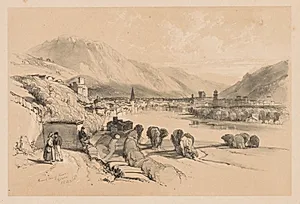
Harding died at Barnes on December 4, 1863, and was buried in Brompton Cemetery. His lithographic publications, including Sketches at Home and Abroad (1836) and Picturesque Selections (1861), continued to circulate widely after his death, ensuring that his influence on the teaching and practice of drawing endured well beyond his own lifetime.