Ctrl K
1735–1799
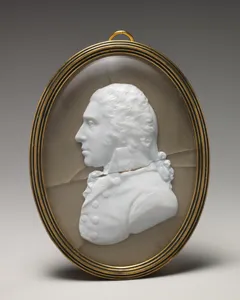
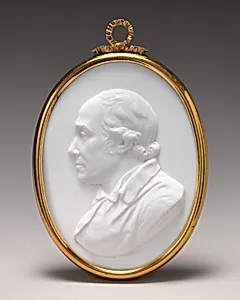
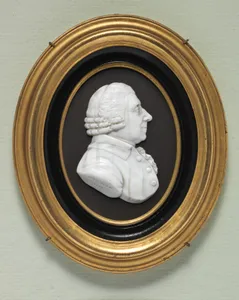
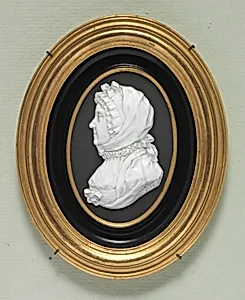
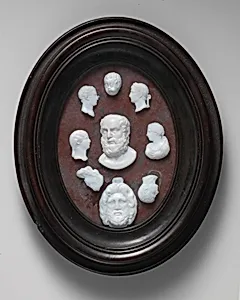
James Tassie (1735–1799) was a Scottish modeler and gem engraver who became one of the most celebrated producers of portrait medallions and reproductions of antique gems in eighteenth-century Europe. Born near Glasgow, Tassie initially trained as a mason's apprentice before his artistic talents drew him toward finer work. Moving to Dublin, he collaborated with the physician and amateur chemist Henry Quin to develop a vitreous paste compound of remarkable delicacy that could capture fine detail with a fidelity approaching that of real hardstone. This material — smooth, glassy, and capable of imitating the appearance of cameos and intaglios — became the foundation of Tassie's international reputation.
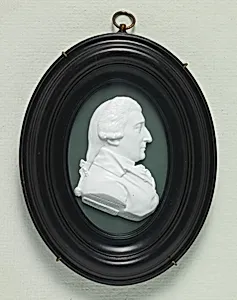
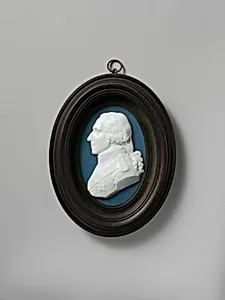
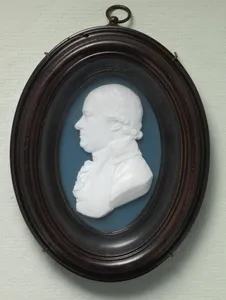
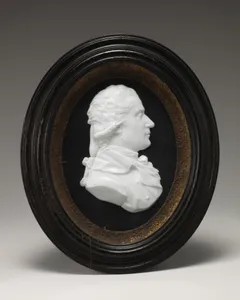
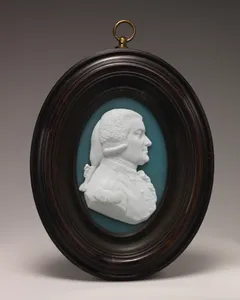
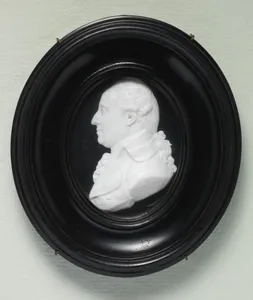
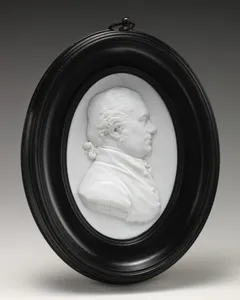
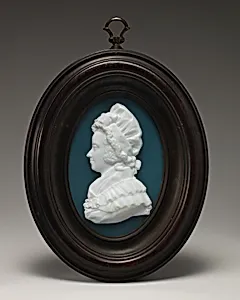
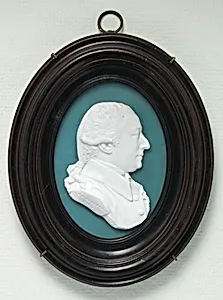
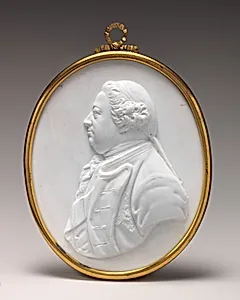
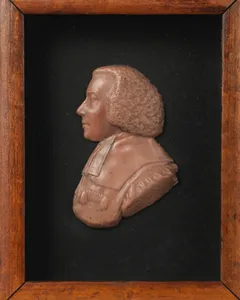
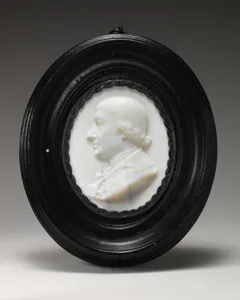
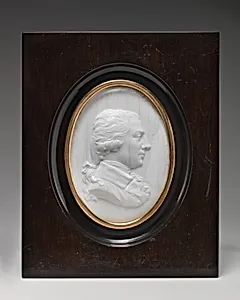
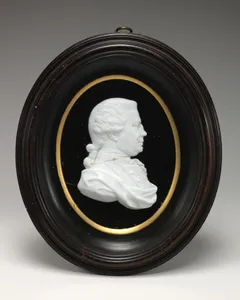
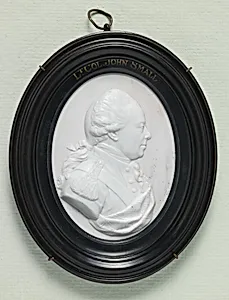
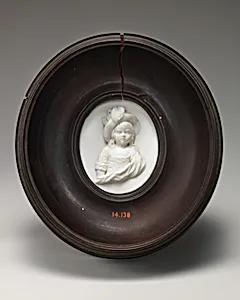
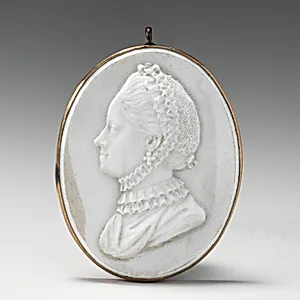
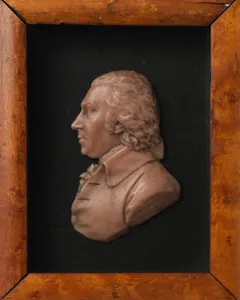
Tassie settled in London in 1766 and quickly built a distinguished clientele. His portrait medallions, rendered in his paste material and typically shown in profile in the manner of antique coins, were sought by nobles, scholars, and collectors across Britain and the Continent. He produced likenesses of some of the most eminent figures of the age, contributing an important visual record of Georgian intellectual and social life. Catherine the Great of Russia was among his patrons, commissioning a comprehensive collection of his gem reproductions for the Imperial collections.
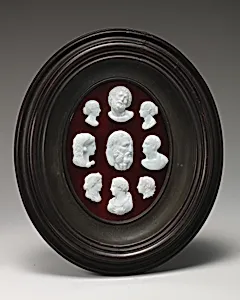
His most ambitious project was the production of a vast catalogue of reproductions of antique gems and cameos — thousands of examples drawn from the finest collections in Europe — which he issued with an accompanying descriptive catalogue compiled by the Scottish antiquary Rudolph Raspe. This enterprise made the visual vocabulary of antique gem engraving accessible to collectors, designers, and artists across the Continent, contributing significantly to the Neoclassical aesthetic that dominated European taste in the late eighteenth century.
Tassie's work stands at the intersection of craft, scholarship, and commerce. His portrait medallions and gem reproductions are now held in collections including the Victoria and Albert Museum, and he is recognized as a pioneering figure in the history of small-scale sculpture and the dissemination of classical imagery.