Ctrl K
1610–1652
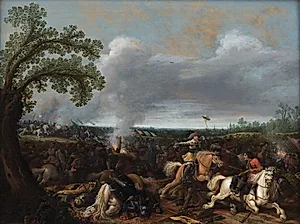
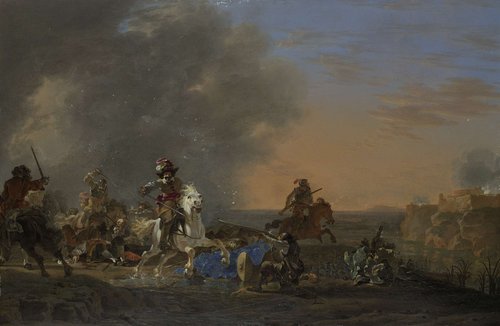
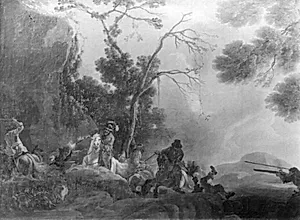
Jan Asselijn (c. 1610–1652), born Jean Asselin in Dieppe, France, to a Huguenot family, emerged as a leading figure in Dutch Golden Age landscape painting. His family relocated to Amsterdam around 1621, where he began his artistic training. He received instruction from Esaias van de Velde, a pioneering realist landscapist, and later studied with Jan Martszen the Younger, Esaias's nephew, producing early cavalry battle scenes dated 1634 and 1635. These formative years honed his skills in tonal landscapes and staffage, setting the stage for his mature style.
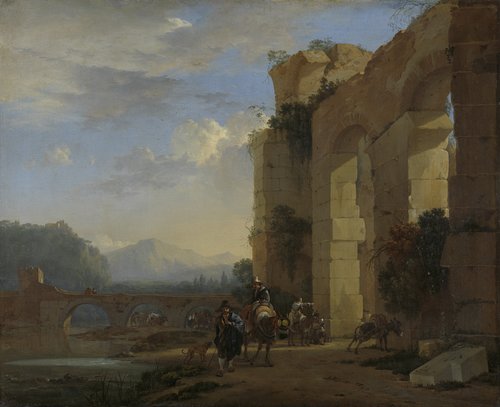
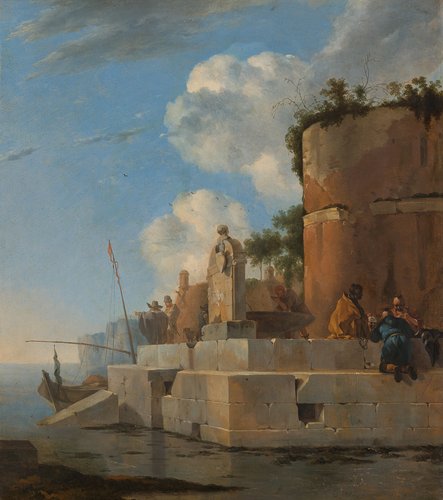
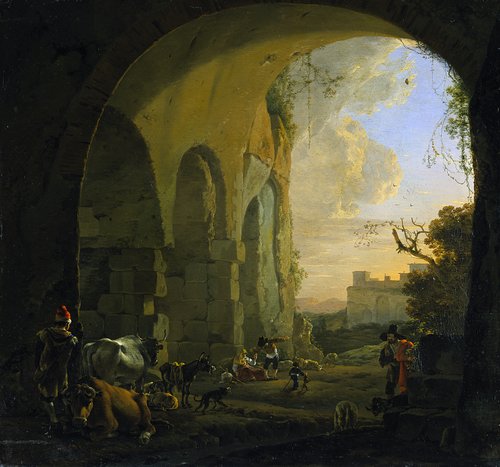
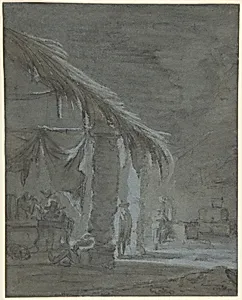
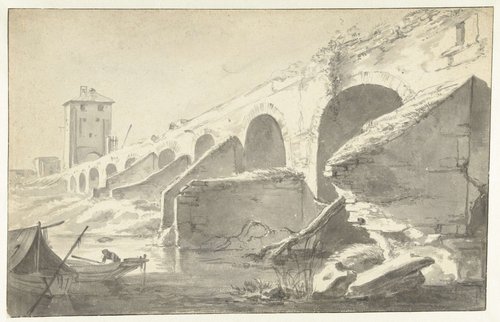
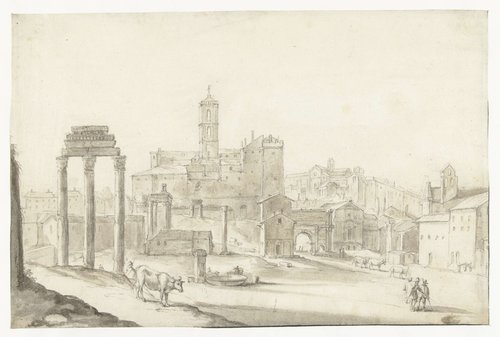
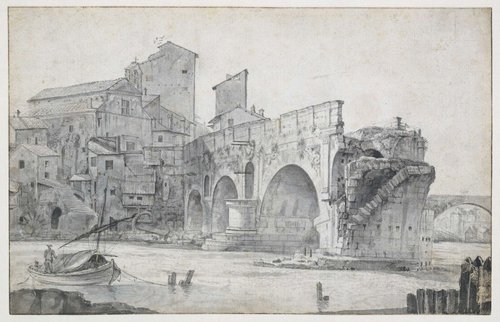
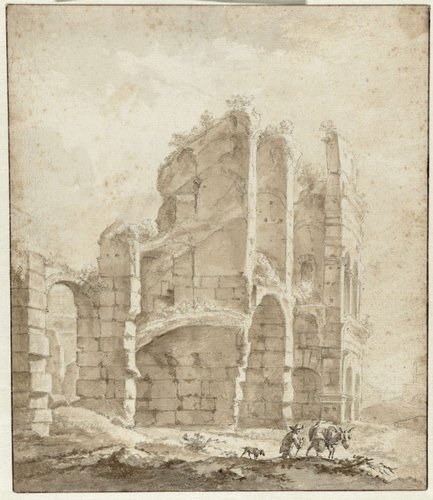
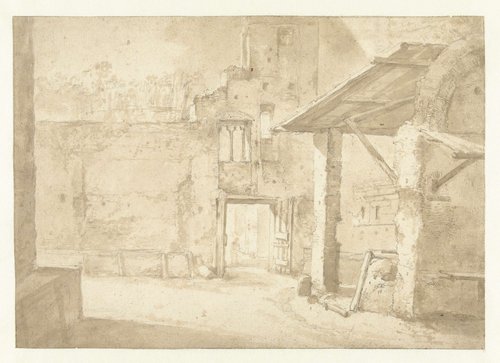
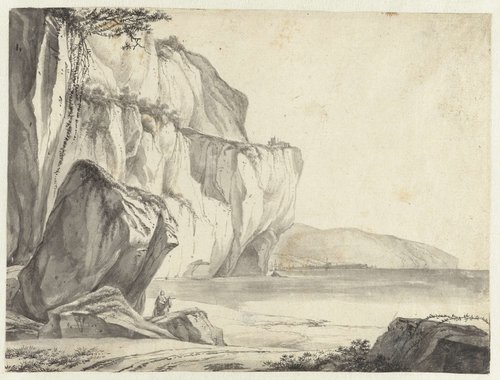
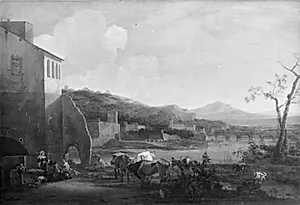
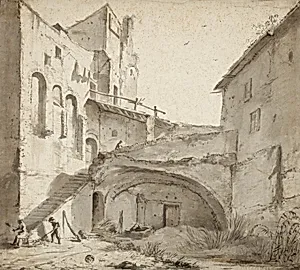
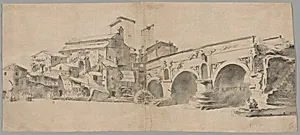
Asselijn traveled extensively through France and Italy, immersing himself in the Roman campagna. In Rome, he joined the Bentvueghels, a society of Dutch and Flemish artists, earning the nickname "Krabbetje" (Little Scribbler) for his small stature and withered hand. He worked in the Dutch Italianate tradition, blending the luminous, atmospheric effects of Claude Lorrain with the earthy realism of Pieter van Laer (Bamboccio). His sweeping panoramas featured Roman ruins bathed in raking golden light, populated by shepherds, merchants, and animals in theatrical poses, often rendered in a fresh, silvery palette of peach and azure tones.
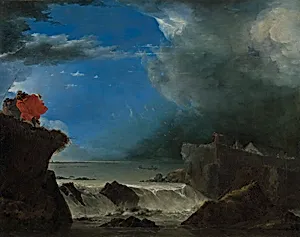
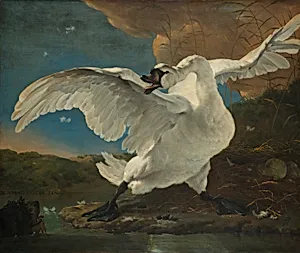
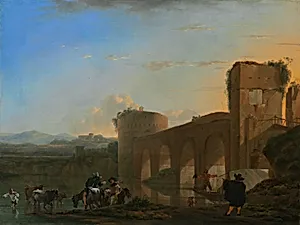
Among his major works, *The Threatened Swan* (c. 1640s–1650), now in the Rijksmuseum, depicts a fierce mute swan protecting its nest from a dog—a potent allegory later inscribed with political symbolism representing Dutch resistance. Other masterpieces include *Flight into Egypt* (c. 1640), *Catching Crayfish* (c. 1645), *Roman Ruins with Shepherds* (1647), *The Tiber River with the Ponte Molle at Sunset* (c. 1650), and *The Collapse of the St. Anthonis Dyke in 1651* (1652), capturing dramatic Dutch events alongside Italianate fantasies. Rembrandt etched his portrait in 1647, underscoring his prominence.
Asselijn's innovative approach influenced second-generation Italianates like Adam Pynacker, Nicolaes Berchem, and Karel Dujardin. He mentored Frederick de Moucheron and Willem Schellinks, and his drawings of ruins and peasants informed generations. Married in Lyons in 1645 to the sister of painter Nicolaes de Helt Stockade, he returned to Amsterdam, where he died suddenly on October 1, 1652, from an aneurysm, leaving a legacy of poetic, light-drenched vistas that bridged northern realism and southern idealism.