Ctrl K
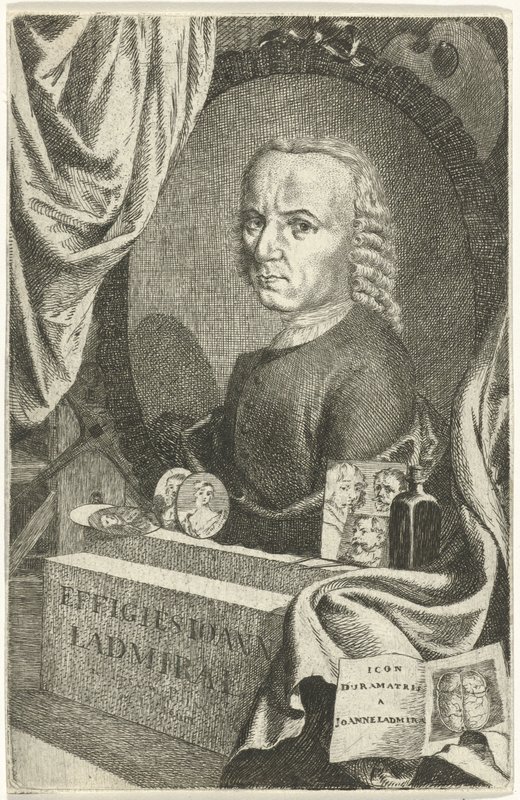
1699–1773
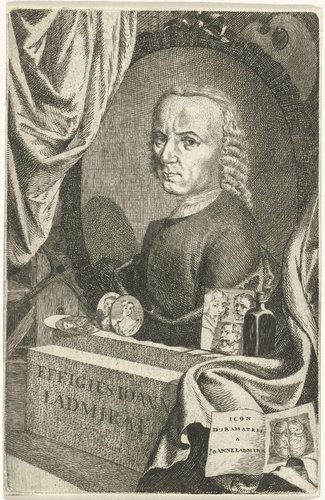
Jan l'Admiral (1699–1773) was a pioneering Dutch engraver whose mastery of color mezzotint technique and collaboration with leading anatomists made him a crucial figure in both artistic printmaking and scientific illustration. Born in Amsterdam in 1699 to an engraver father of the same name, l'Admiral belonged to a family of printmakers and received training that would position him at the forefront of technological innovation in color printing. His apprenticeship to Jacob Christoph Le Blon (1667–1741), the inventor of three- and four-color printing using mezzotint plates, gave l'Admiral access to the most advanced color printing techniques of the early 18th century. L'Admiral's significance extends beyond technical mastery to encompass his role in making anatomical knowledge accessible and beautiful. Working with the famous Leiden anatomist Bernhard Siegfried Albinus (1697–1770), l'Admiral produced a series of six color mezzotint prints depicting anatomical subjects with unprecedented beauty and accuracy. Published between 1736 and 1741, these prints combined scientific precision with artistic excellence, using Le Blon's pioneering color printing method to render flesh tones, vascularization, and tissue structures with remarkable fidelity. His work with anatomist Frederick Ruysch's drawings further demonstrated his ability to translate medical illustration into prints of exceptional quality. L'Admiral's career also included significant work for publishers, particularly his series of engravings for a new edition of Karel van Mander's Schilderboeck published by Steven van Esveldt in 1764. This contribution to Dutch art historical publishing helped preserve and disseminate knowledge of earlier Dutch and Flemish artists. When he died in Amsterdam in 1773, l'Admiral left behind a body of work that bridged art and science, demonstrating how printmaking could serve both aesthetic appreciation and scientific education.
Jan l'Admiral was born in 1699 in Amsterdam to an engraver father also named Jan l'Admiral, establishing him within a family tradition of printmaking. This background provided early exposure to the craft and likely facilitated his technical education. His younger brother Jacob (1700–1770) would also become an engraver, creating an artistic brotherhood.
The decisive moment in l'Admiral's education came through his apprenticeship to Jacob Christoph Le Blon (1667–1741), who had developed revolutionary three- and four-color printing techniques using mezzotint plates. Le Blon, originally from Frankfurt, had spent time in Rome and London before his sojourn where the l'Admiral brothers apprenticed to him.
Le Blon's innovative method involved creating separate mezzotint plates for yellow, red (magenta), and blue (cyan) inks, which when printed in precise registration produced full-color images. This subtractive color system, using an RYB color model, served as the foundation for modern CMYK printing. Le Blon sometimes added a fourth plate for black to enhance depth and detail.
Both Jan and Jacob l'Admiral learned this complex, demanding technique directly from its inventor. The process required exceptional precision: each plate had to be prepared identically in size and registration, the mezzotint rocker had to create uniform tooth, and the scraping and burnishing had to be perfectly coordinated across plates to produce the intended colors when overprinted.
This training positioned the l'Admiral brothers at the cutting edge of printmaking technology. Le Blon's color printing method was not widely adopted due to its technical difficulty and expense, making those who mastered it rare specialists with unique capabilities.
L'Admiral's most significant artistic and scientific collaboration came through his work with Bernhard Siegfried Albinus (1697–1770), professor of anatomy at Leiden University and one of the most distinguished anatomists in Europe. This partnership produced some of the most beautiful anatomical illustrations of the 18th century.
Between 1736 and 1741, l'Admiral published a total of six color mezzotint prints after anatomical drawings. Two of these prints reproduced drawings by the Amsterdam professor of anatomy Frederick Ruysch (1638–1731), famous for his anatomical preparations and illustrations. Ruysch had died in 1731, but his drawings remained important anatomical documents.
These anatomical mezzotints demonstrated the perfect marriage of art and science. L'Admiral's color printing technique allowed for naturalistic rendering of flesh tones, the red and blue of arterial and venous systems, the yellow of fat tissue, and the varied colors of organs and structures. This chromatic accuracy was impossible in black-and-white prints and far exceeded the capabilities of hand-colored prints.
The prints depicted various anatomical subjects including vascularization of the intestines, detailed studies of human skin, and intricate views of the brain. Each required months of painstaking work: preparing the multiple plates, coordinating the scraping and burnishing to achieve precise color effects, and ensuring perfect registration during printing.
These works served both medical education and aesthetic appreciation. Anatomists and physicians valued them for their accuracy, while collectors appreciated them as beautiful objects demonstrating technical virtuosity. They exemplified Enlightenment ideals of combining scientific knowledge with artistic beauty.
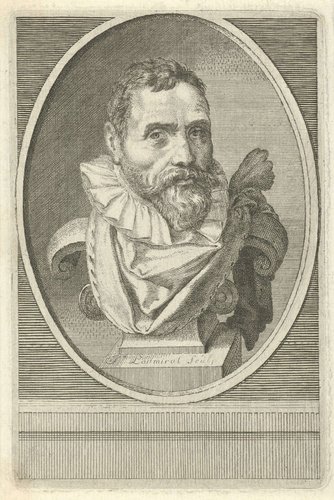
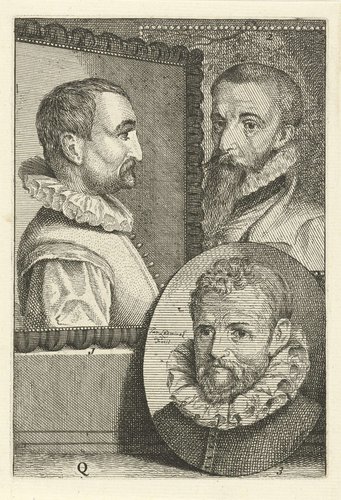
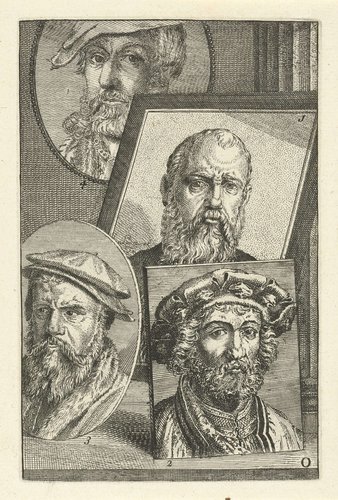
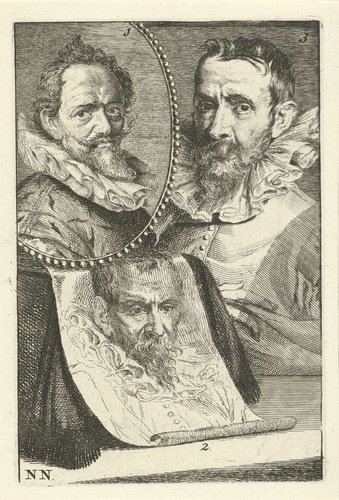
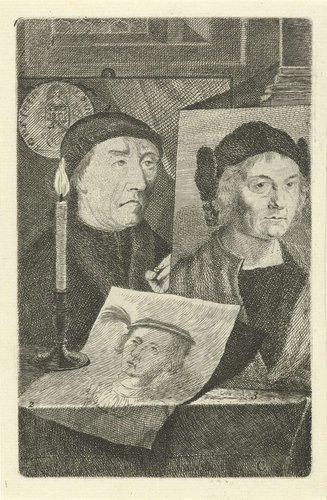
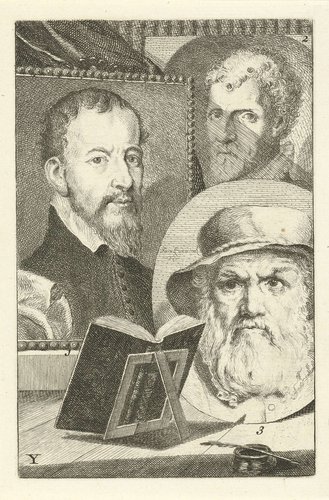
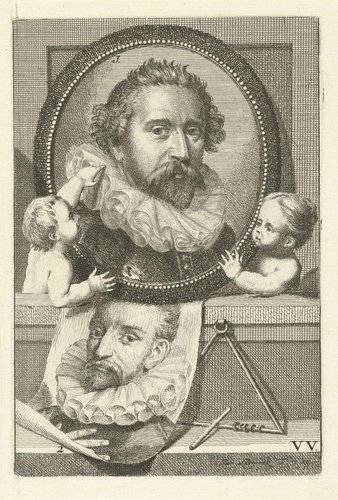
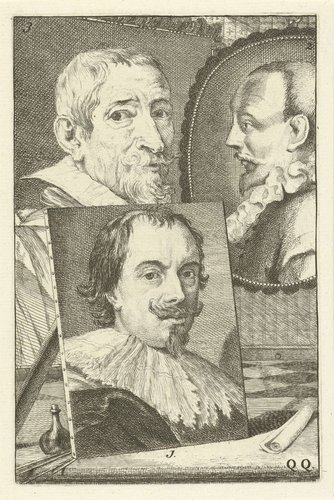
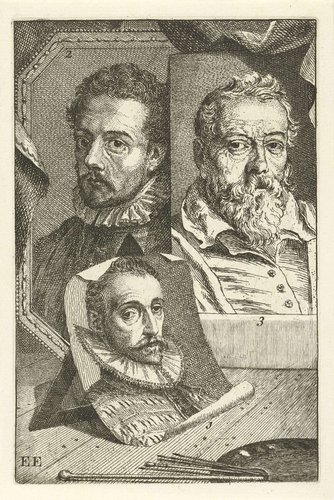
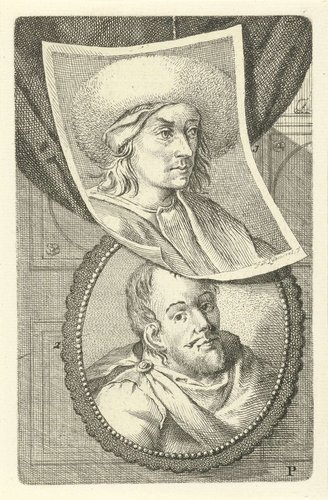
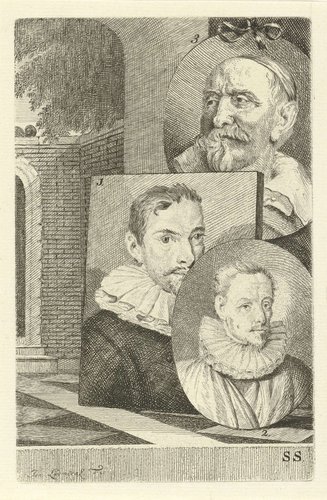
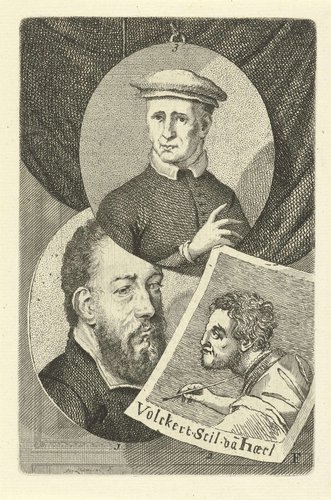
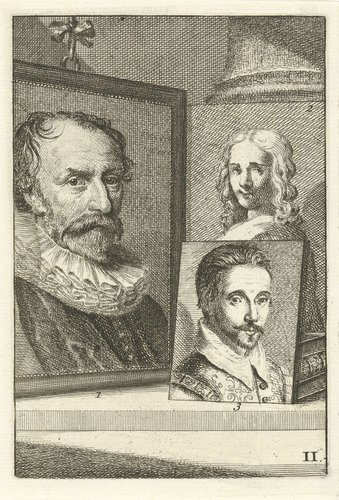
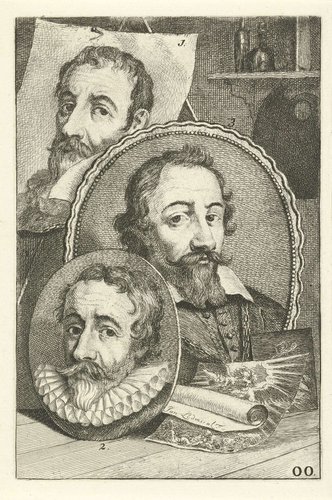
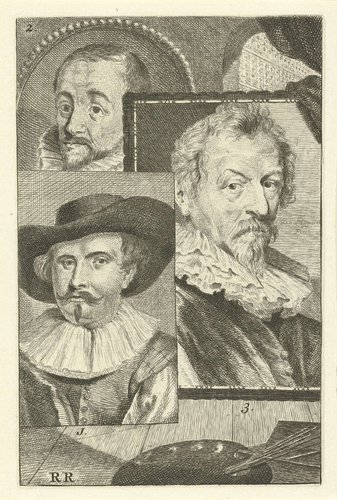
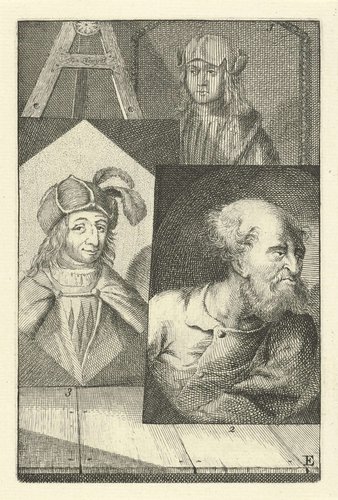
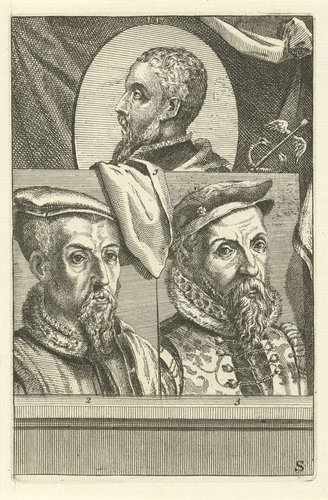
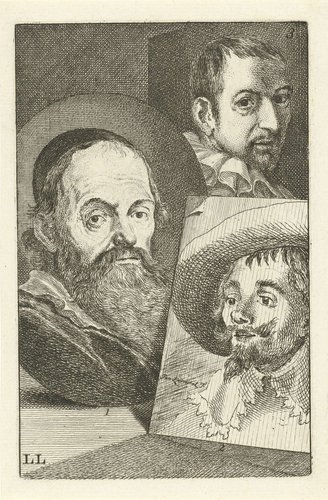
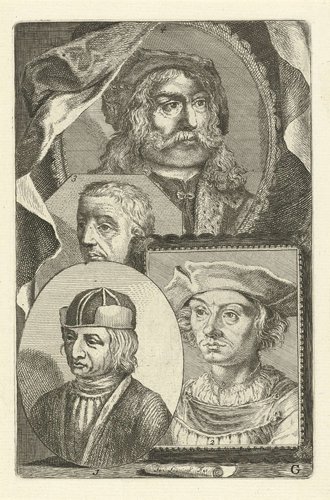
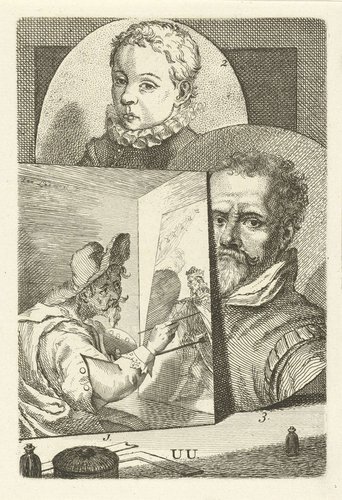
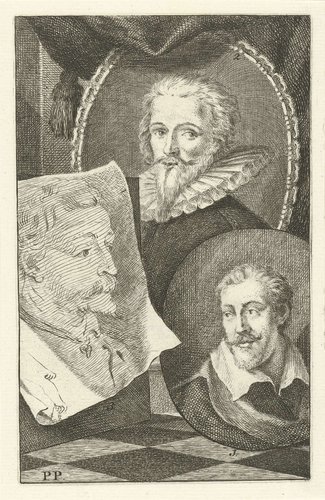
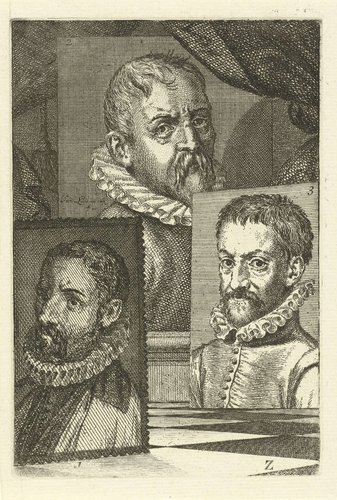
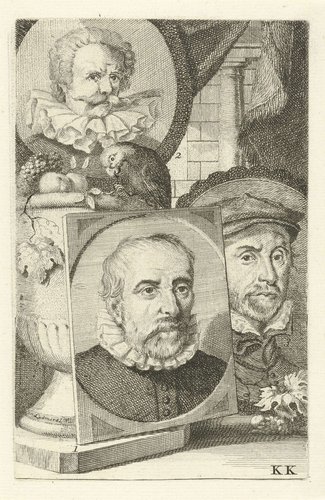
Beyond anatomical illustration, l'Admiral contributed significantly to Dutch art historical publishing. He created a series of engravings for a new edition of Karel van Mander's Schilderboeck (Book of Painters), published by Steven van Esveldt in 1764.
Van Mander's Schilderboeck, originally published in 1604, was the foundational text of Northern European art history, containing biographies of Netherlandish and German painters. This new edition required updated illustrations, and l'Admiral's engravings helped make this important historical text accessible to 18th-century audiences.
This work demonstrated l'Admiral's versatility—his ability to work not only in the cutting-edge technique of color mezzotint but also in traditional line engraving for book illustration. The different technical demands of these projects showed his complete command of various printmaking media.
Throughout his later career, l'Admiral likely worked on various commercial printing projects, as most professional engravers needed diverse income streams. The color mezzotint technique, while spectacular, was too expensive and time-consuming for widespread commercial application, limiting opportunities for such work.
Jan l'Admiral died in Amsterdam in 1773 at age 74, having spent his entire career in the city of his birth. His anatomical color mezzotints remained influential as examples of how printmaking could serve scientific illustration while maintaining the highest artistic standards.
Artheon Research Team
Last updated: 2025-11-09
Biography length: ~1,226 words