Ctrl K
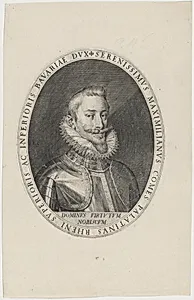
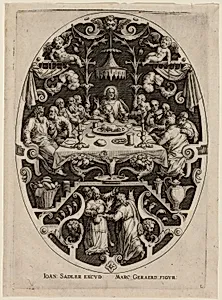
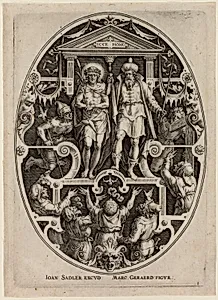
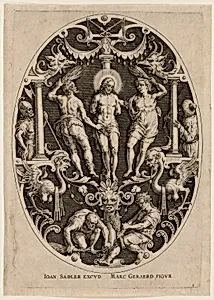
Jan Sadeler I (also known as Johann or Johannes Sadeler the Elder) was a leading Flemish engraver, printmaker, and publisher of the late sixteenth century. Born in Brussels in 1550, he came from a family of armor engravers (“chasers”) originally from Aalst. His father, Jan de Saeyelleer or Sadeleer, trained him in metal engraving techniques from an early age. By the late 1560s or early 1570s Sadeler had moved to Antwerp, then the epicenter of Northern European print production. In 1572 he became a master of the Guild of Saint Luke and married in Antwerp Cathedral; he also worked for the renowned publisher Christopher Plantin.
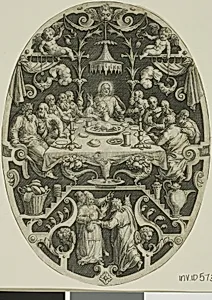
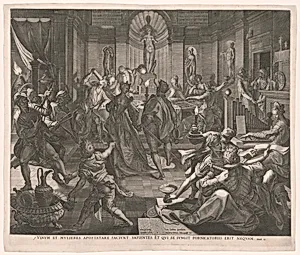
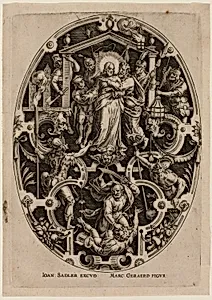
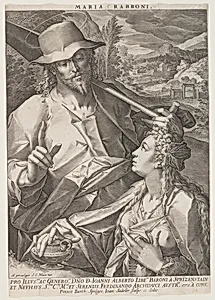
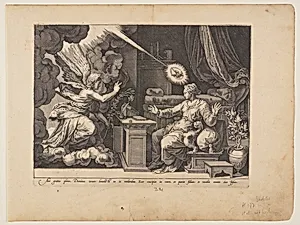
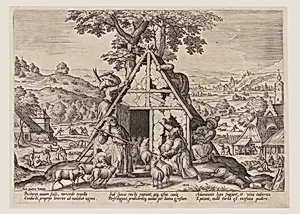
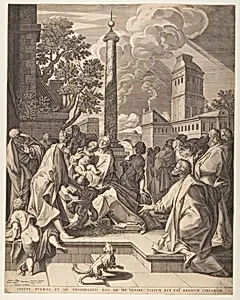
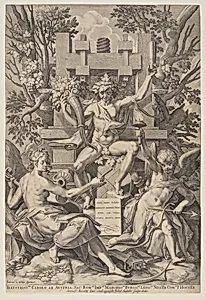
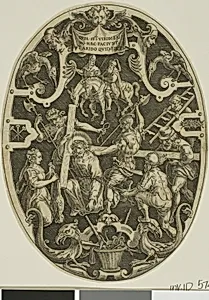
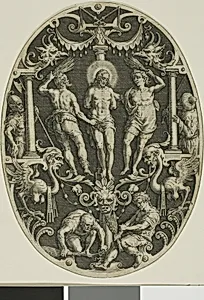
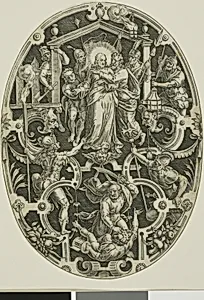
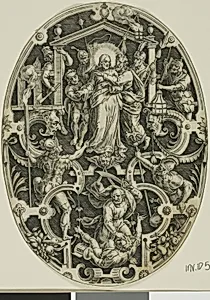
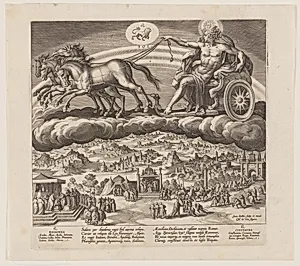
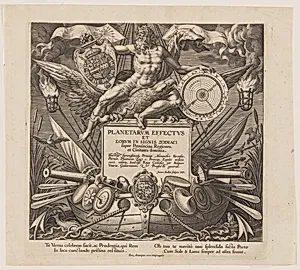
Sadeler collaborated closely with his younger brothers, Aegidius I and Rafael I, producing engravings after designs by leading artists of the day, including Maarten de Vos and the Bassano family. Their most celebrated series, known as the “Sadeler kitchen scenes,” depicts biblical episodes such as *Christ in the House of Mary and Martha*, *Christ at Emmaus*, and *Dives and Lazarus*. These large, richly detailed prints combine meticulous line work with lively genre elements, exemplifying the Flemish tradition of reproductive engraving that brought Italian and Northern compositions to a wide European audience. The disruptions of the Dutch Revolt prompted the brothers to relocate repeatedly—to Cologne around 1579, various German cities, and finally Italy in 1593, where they established a shop in Venice.
Sadeler died in 1600 (in Brussels or possibly Venice), leaving an extensive inventory of 475 copperplates. His son Marcus (Marco) continued the family business in Italy, while the broader Sadeler dynasty remained one of the most successful and prolific engraving families in Northern Europe. Today his prints are held in major collections worldwide, including more than eighty works in the present museum, attesting to his enduring importance in the history of printmaking.