Ctrl K
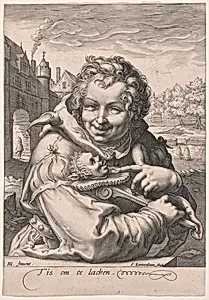
1565–1607
Jan Pieterszoon Saenredam (c. 1565–1607) emerged from humble beginnings in the Dutch village of Assendelft, where he was orphaned young and raised by his uncle, the local bailiff Pieter de Jongh. Initially destined for basket weaving or farm work, Saenredam's precocious talent for embellishing texts with intricate designs caught attention, leading to an apprenticeship in cartography. By 1589, at around age 24, a patron enabled him to study drawing under the renowned engraver Hendrick Goltzius in Haarlem, where he quickly mastered the burin and entered the vibrant circle of Northern Mannerist artists.
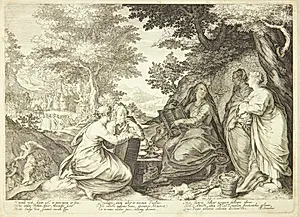
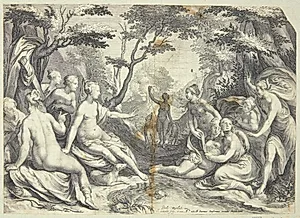
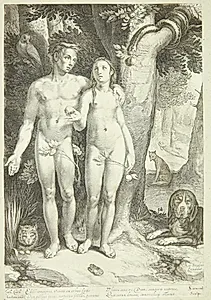
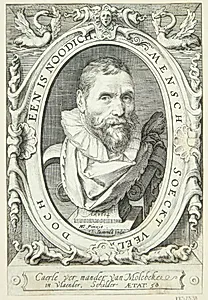
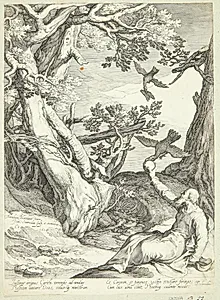
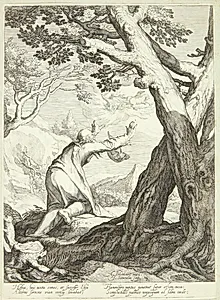
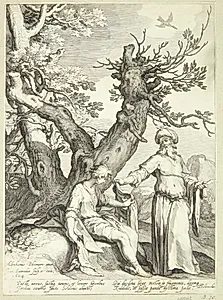
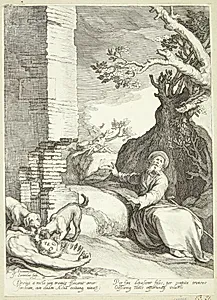
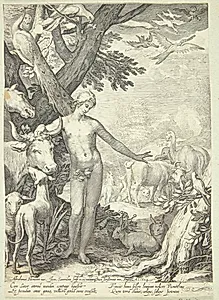
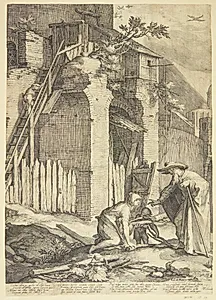
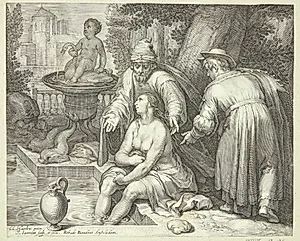
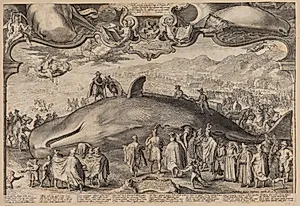
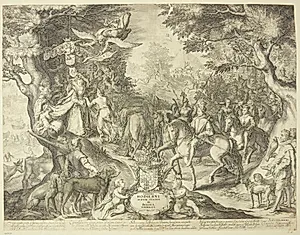
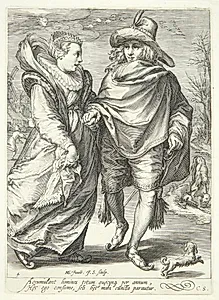
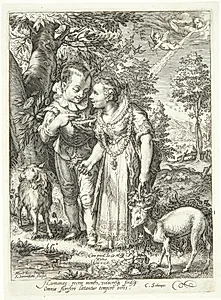
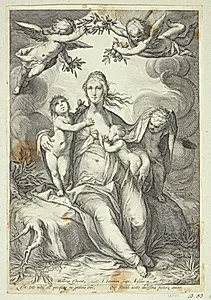
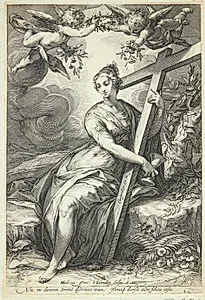
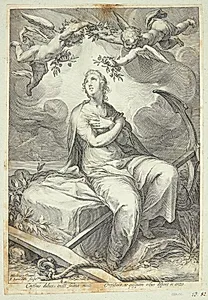
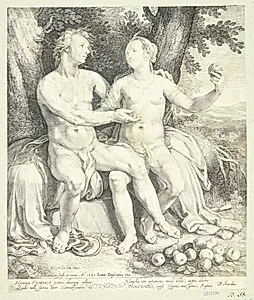
Saenredam settled in Assendelft by 1595 after brief stints in Amsterdam, marrying Anna Pauwelsdochter and establishing a workshop fueled by savvy investments in the Dutch East India Company. Working in the Northern Mannerist tradition, he excelled as an engraver, producing over 170 plates that translated the sensual, dynamic designs of contemporaries like Goltzius, Abraham Bloemaert, Cornelis Cornelisz. van Haarlem, and Karel van Mander into meticulous copperplate engravings. His style captured the era's elongated figures, dramatic poses, and allegorical depth, often depicting mythological nudes, biblical scenes, and patriotic emblems amid the Dutch Revolt.
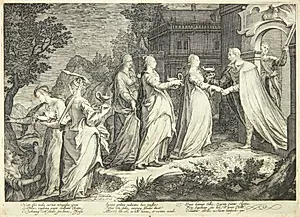
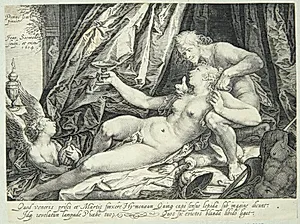
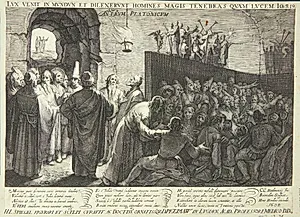
Among his standout works are the *Punishment of Niobe* (1594, after Goltzius or Polidoro da Caravaggio), the sensual *Sine Cerere et Baccho friget Venus* (1600, after Bloemaert), Plato's *Allegory of the Cave* (1604, after van Haarlem), and the *Parable of the Wise and Foolish Virgins* (1606, original design). He also crafted maps, such as his 1589 chart of Holland, and ornamental prints like *Thimbles* and knife-handle designs. Karel van Mander hailed him in the 1604 *Schilder-boeck* as an outstanding engraver. Father to the architectural painter Pieter Jansz. Saenredam (1597–1665), whose austere church interiors starkly contrasted his own Mannerist exuberance, Jan died of typhus in 1607, leaving a legacy of technical virtuosity that bridged Mannerism and the Dutch Golden Age print revolution.