Ctrl K
1735–1817
Jean-Baptiste de Grateloup (1735–1817) was a French engraver and miniature painter whose long career spanned the final decades of the ancien régime and the upheavals of the Revolutionary and Napoleonic eras. Born in the Landes region of southwestern France, he established himself in Paris as a professional printmaker working across a range of portrait and reproductive subjects.
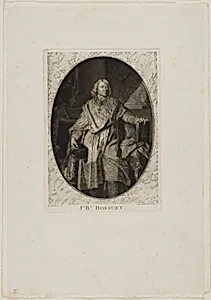
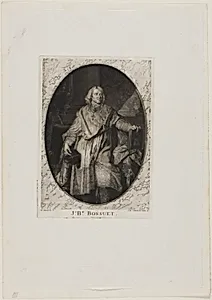
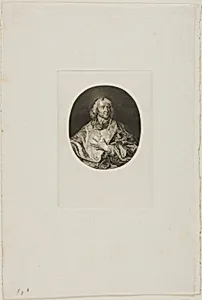
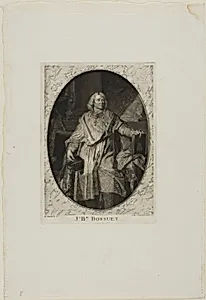
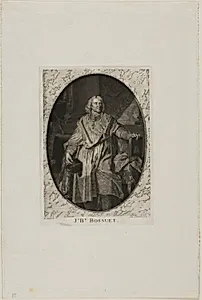
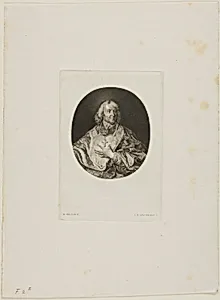
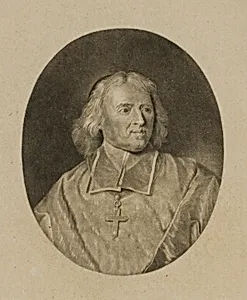
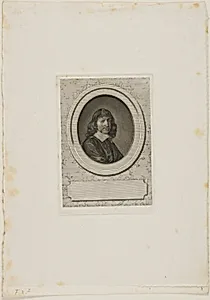
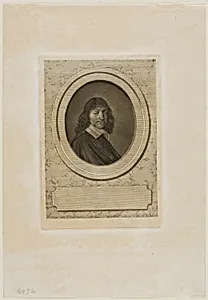
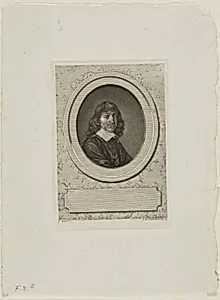
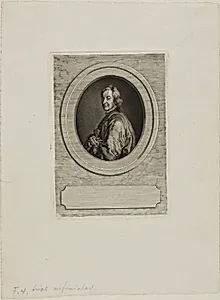
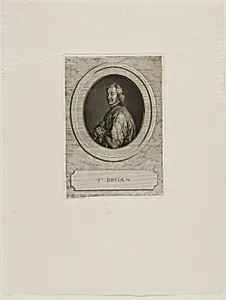
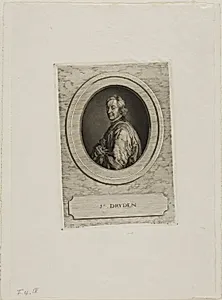
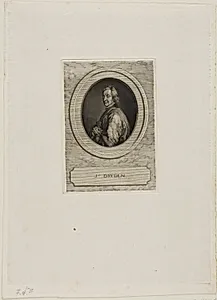
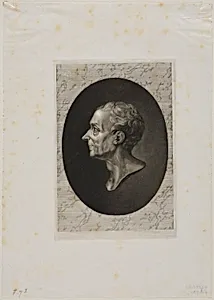
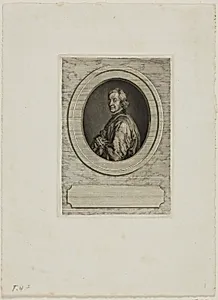
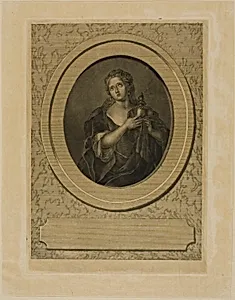
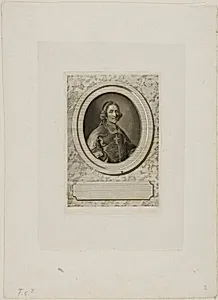
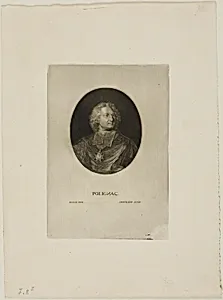
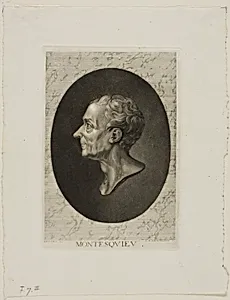
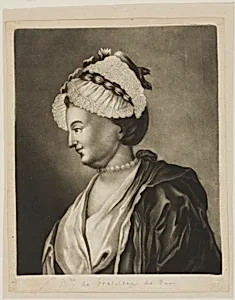
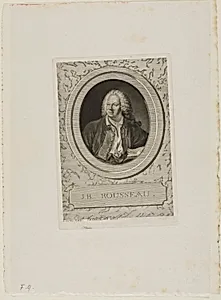
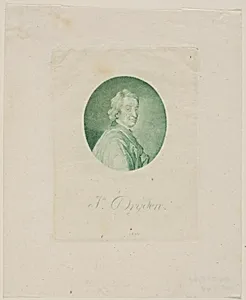
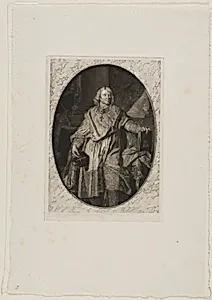
Grateloup's practice centered on engraved portraiture, producing bust-length and full-figure representations of notable figures from French cultural, religious, and intellectual life, as well as international subjects. His sitters included historical and contemporary figures drawn from theology, literature, philosophy, and politics—among them engraved portraits connected to writers, clergy, and statesmen whose images circulated widely in printed form. He also produced reproductive engravings after paintings, contributing to the broad dissemination of visual imagery that was a central function of professional engravers in eighteenth-century France.
Grateloup worked in a period when engraving occupied a central place in the visual culture of educated European society. Printed portraits served as affordable proxies for painted likenesses, allowing images of prominent individuals to circulate across social classes and national borders. The engraver's craft required both technical mastery of the burin and a thorough understanding of the conventions of portrait representation—qualities that sustained practitioners like Grateloup through decades of professional activity.
Works by Grateloup are held in the collections of the National Gallery of Art in Washington, D.C., and the Art Institute of Chicago, among other institutions. His career, extending well past the age of eighty, testifies to the sustained demand for skilled engraved portraiture even as new technologies and artistic fashions began to reshape the print trade in the early nineteenth century.