Ctrl K
1725–1805
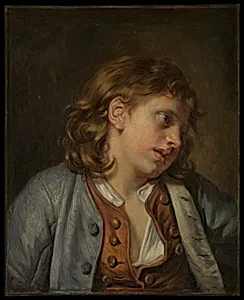
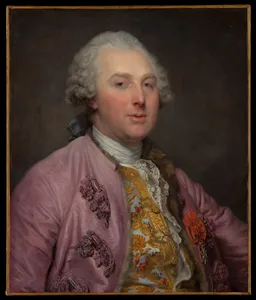
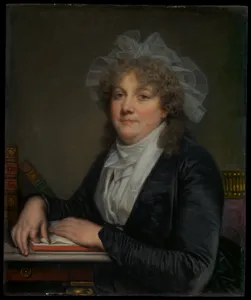
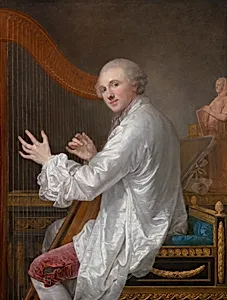
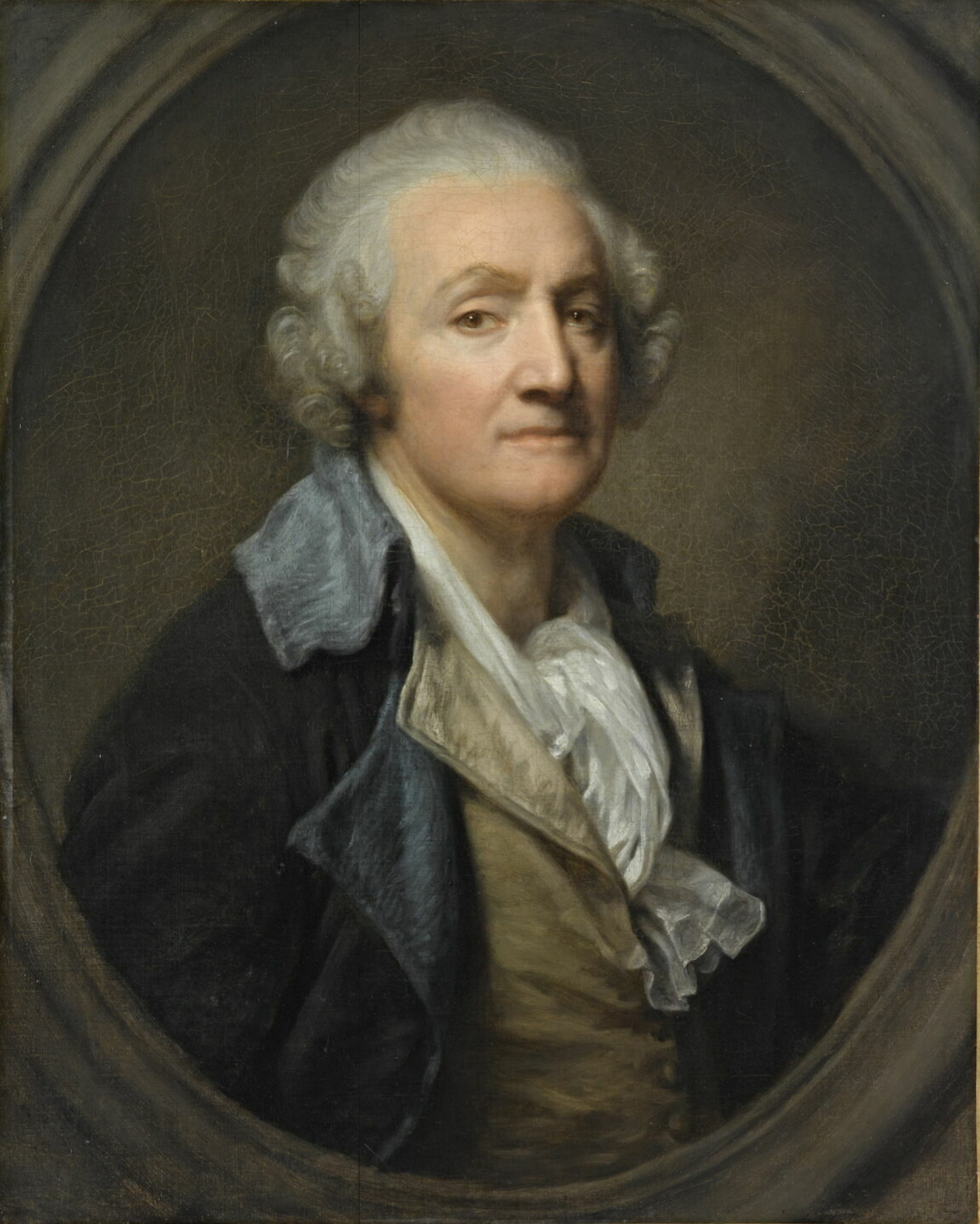
Jean-Baptiste Greuze (1725–1805) was a French painter whose moralistic genre scenes and expressive portraits made him one of the most celebrated and controversial artists of the eighteenth century. Born in Tournus, Burgundy, Greuze traveled to Paris in his youth and trained under Charles Grandon before gaining admission to the Académie Royale de Peinture et de Sculpture, where he made a sensational debut at the Salon of 1755 with his painting of a father reading the Bible to his family. This work immediately established his reputation as an artist of rare emotional power and moral seriousness, aligned with the reforming spirit of the Enlightenment and the aesthetic theories of Denis Diderot, who became his most ardent champion.
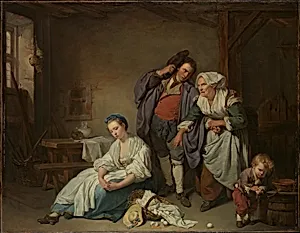
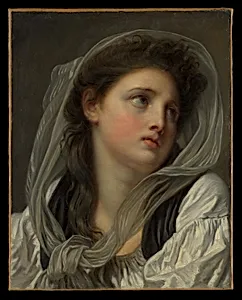
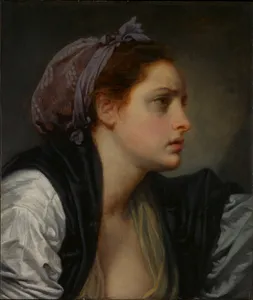
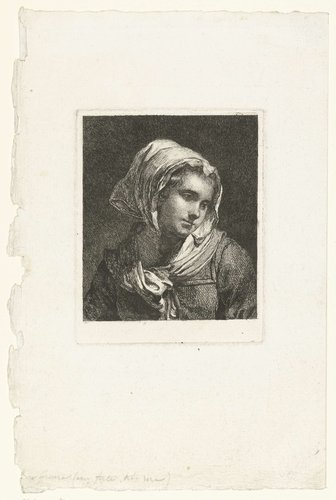
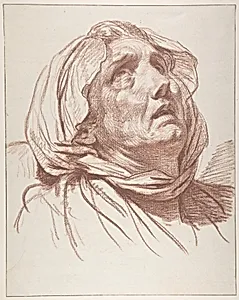
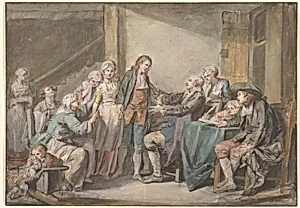
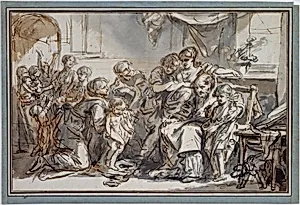
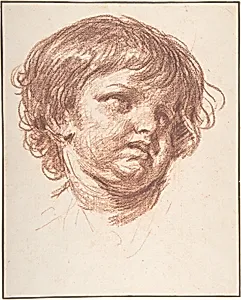
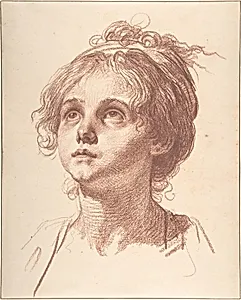
Greuze's art is defined by its theatrical staging of domestic virtue and vice. His large narrative paintings — depicting scenes of filial piety, parental grief, and moral transgression — were designed to move viewers and to instruct them in the values of bourgeois domestic life. Works such as The Village Bride, The Paralytic, and The Punished Son brought him enormous popularity. Alongside these moralizing narratives, he produced a series of portraits and heads of young women — charged with a provocative mixture of innocence and sensuality — that became among the most reproduced images of the age.
Despite his popular success, Greuze suffered a significant professional humiliation when the Académie, to which he had applied for membership as a history painter, admitted him instead in the lower category of genre painter in 1769. Stung by this rejection, he withdrew from the Salon for many years. The Revolution brought further difficulties, stripping him of his patrons and his income, and his later years were marked by poverty and neglect.
Greuze's legacy is a complex one. His sentimental moralism fell out of critical favor even during his lifetime, dismissed by later generations as overwrought and manipulative. Yet his command of expression, his understanding of theatrical composition, and his influence on the emotional register of European painting have ensured his continued place in the history of French art.