Ctrl K
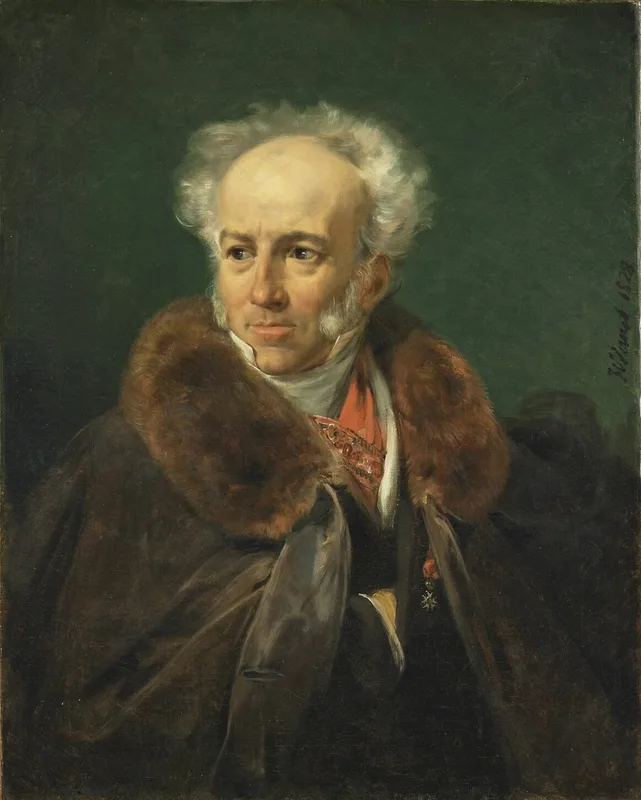
1767–1855
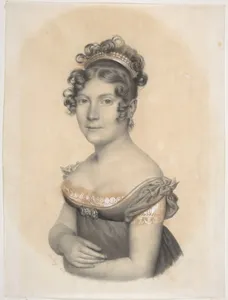
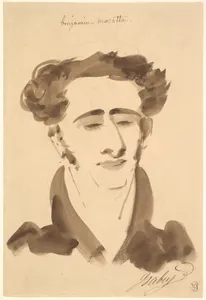
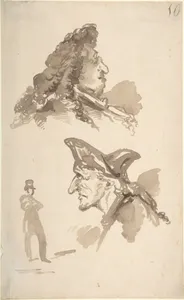
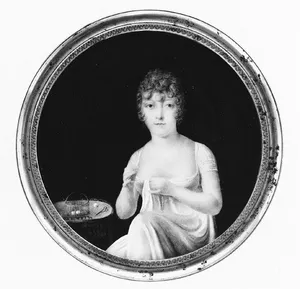
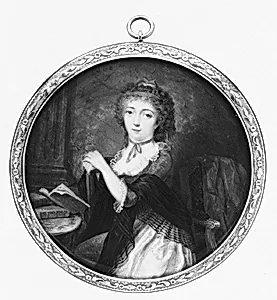
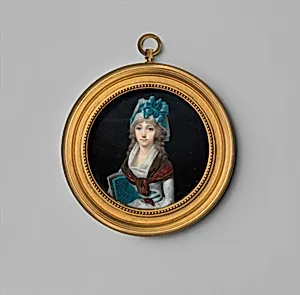
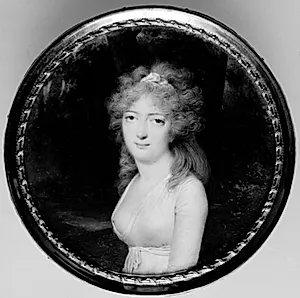
Jean-Baptiste Isabey (1767–1855) was a French painter and miniaturist whose extraordinary longevity and adaptability allowed him to serve as the preeminent portraitist of successive French regimes — from the court of Louis XVI through the Revolution, the Napoleonic Empire, the Restoration, and into the July Monarchy — making his career an almost unparalleled chronicle of French political and social history through the lens of portraiture. Born in Nancy, Isabey came to Paris in his early teens and secured a place in the studio of Jacques-Louis David, then the most powerful artistic force in France, whose training gave him a firm grounding in draughtsmanship and compositional rigor.
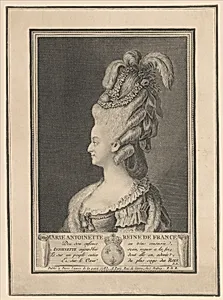
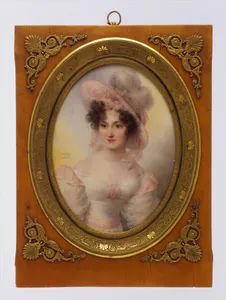
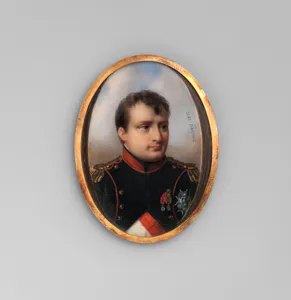
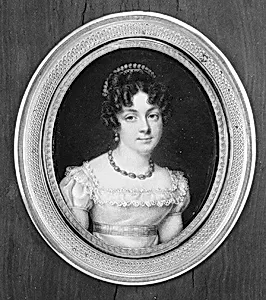
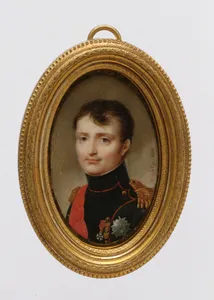
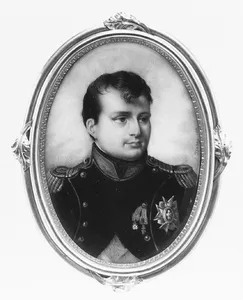
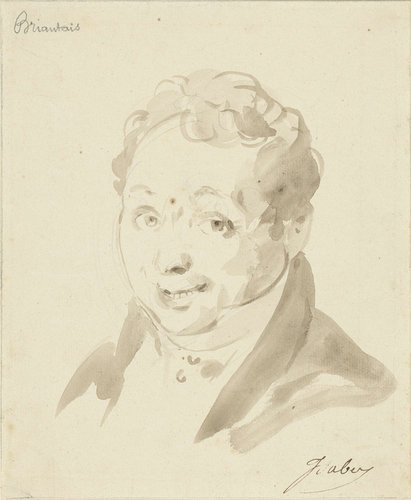
Isabey quickly distinguished himself as a miniaturist of exceptional skill, and his tiny portraits — executed with a jeweler's precision in watercolor on ivory — became the most sought-after in Paris. His ability to capture likeness with both fidelity and flattery made him indispensable to court culture, and he rose to become drawing master to the children of Marie Antoinette. After the turbulence of the Revolution, during which he managed to navigate dangerous political waters with considerable agility, he re-established himself under Napoleon, for whom he served as a kind of impresario of imperial ceremonial, designing costumes and staging the elaborate visual spectacles that accompanied Napoleonic public life.
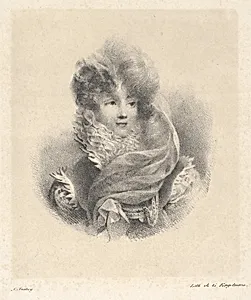
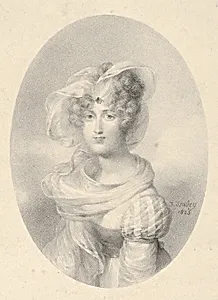
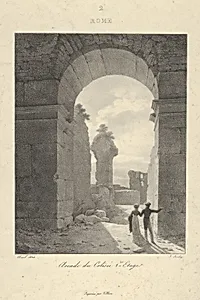
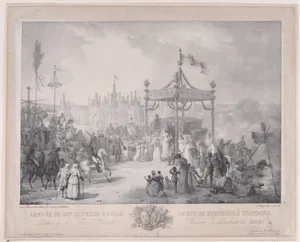
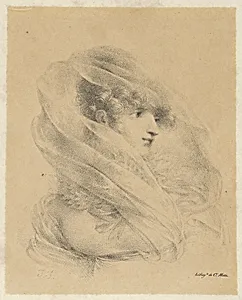
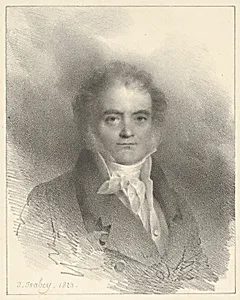
Beyond miniature portraiture, Isabey worked in lithography, a medium he embraced with enthusiasm in its early years, producing prints of considerable charm and historical interest. His large-scale oil portraits, though less celebrated than his miniatures, further attest to his versatility and technical command.
Isabey lived to the remarkable age of eighty-seven, long enough to witness the transformation of French society he had spent a lifetime portraying. His miniatures remain prized by collectors and historians alike as exquisite records of the faces of an extraordinary era.