Ctrl K
1717–1786
Jean-Baptiste Nini, born Giovanni Battista Nini in Urbino, Italy, in March 1717, emerged as a versatile sculptor and medallist whose career bridged the vibrant artistic scenes of Italy, Spain, and France. The son of a modest painter, Nini received his initial training from his father in the rudiments of engraving. He honed these skills in Bologna, where he simultaneously studied sculpture at the Académie Clémentine de Bologne during the early 1730s. His talent was recognized early; in 1735, he earned second prize in sculpture at the prestigious Prix Marsili competition, affirming his place among Italy's rising artists.
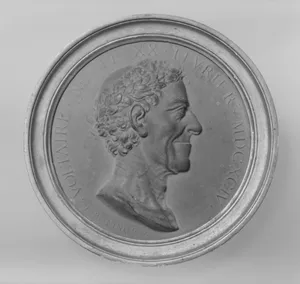
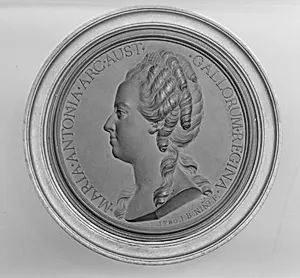
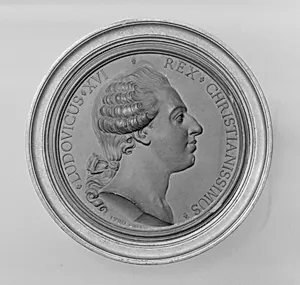
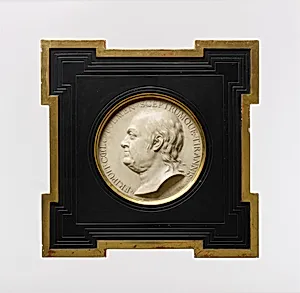
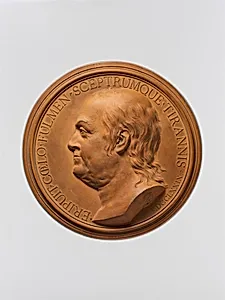
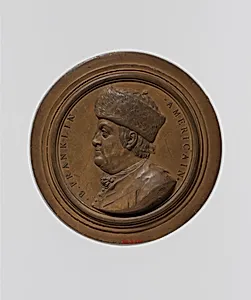
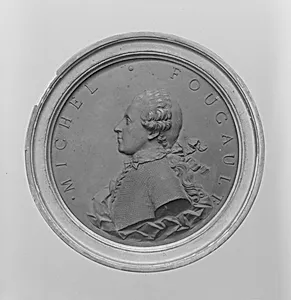
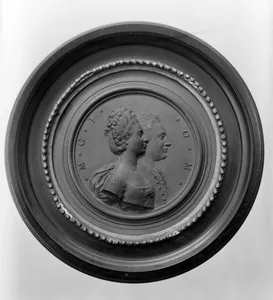
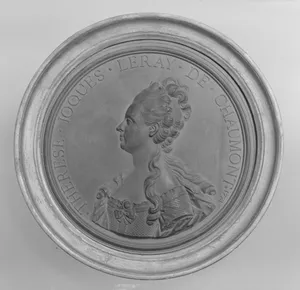
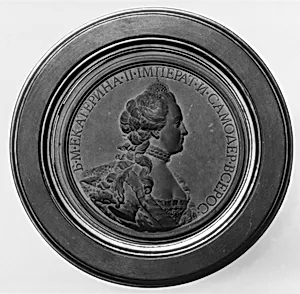
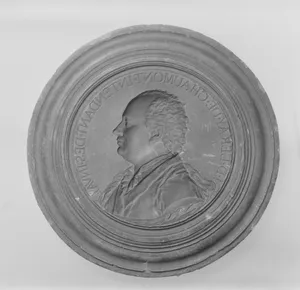
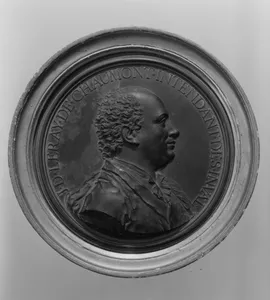
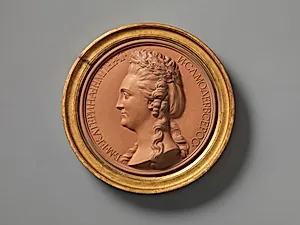
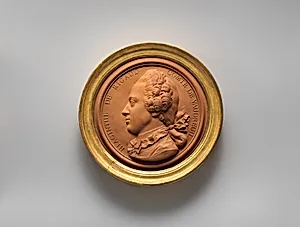
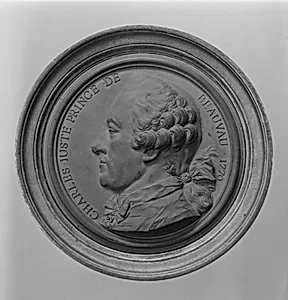
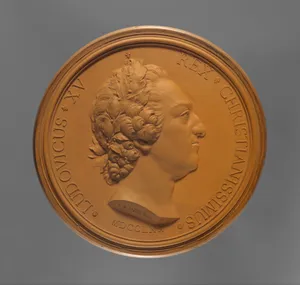
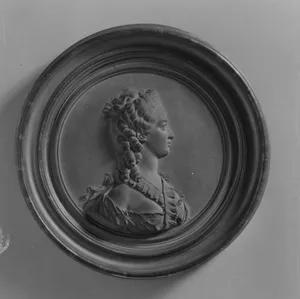
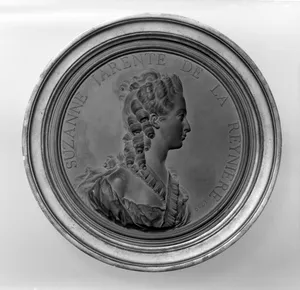
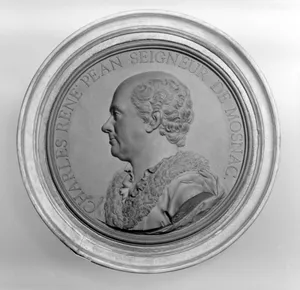
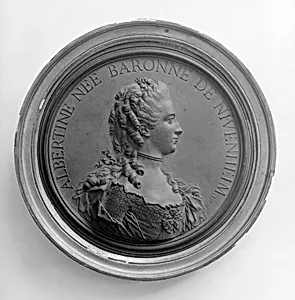
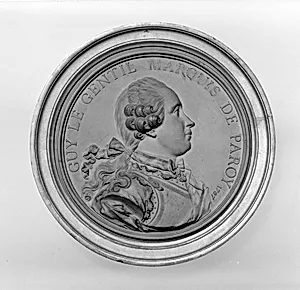
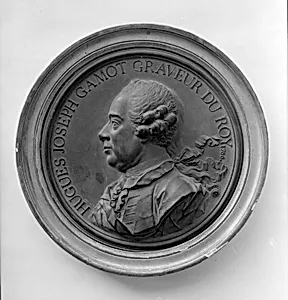
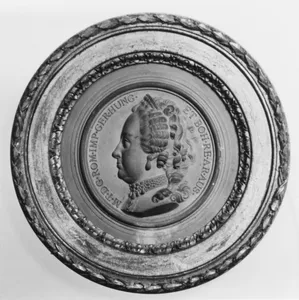
After 1740, Nini ventured to Madrid, where he married and specialized in decorative engraving on crystal, blending his engraving expertise with ornamental craftsmanship. His life took a dramatic turn in 1755 when he was arrested on charges of theft and later heresy, enduring two years of imprisonment. Freed, he relocated to Paris, where he achieved commercial success with his innovative terra-cotta medallion portraits. These small-scale reliefs captured the likenesses of prominent figures with remarkable realism and sensitivity, reflecting the Rococo era's emphasis on portraiture and decorative arts while drawing on his Italian sculptural roots.
In 1772, Nini settled at Chaumont-sur-Loire, taking over the direction of a local manufactory producing crystals and utilitarian ceramics. There, he continued experimenting with materials, merging his skills in engraving, sculpture, and industrial design until his death on May 2, 1786. Though specific dated works like individual medallions remain highlights in collections (with over 45 known examples), Nini's legacy endures in his pioneering terra-cotta portraits, which influenced 18th-century French medallic art. Working in the Bolognese sculptural tradition, he exemplified the itinerant artist's adaptability, bridging fine art and craft across borders.