Ctrl K
1640–1711
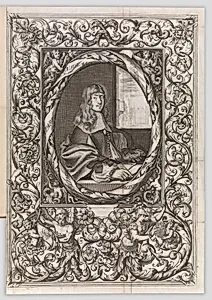
**Jean Bérain the Elder (1640–1711)** was a French draughtsman, designer, painter, and engraver of ornament who served as the central artistic force in the Royal office of the Menus-Plaisirs du Roi. Born in Saint-Mihiel in the Spanish Netherlands (now France) to a master gunsmith, he spent his career in Paris and became one of the defining figures of late 17th-century French decorative arts.
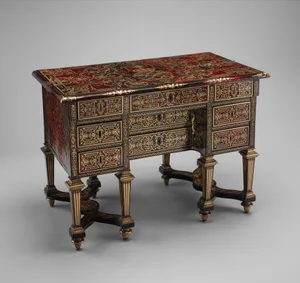
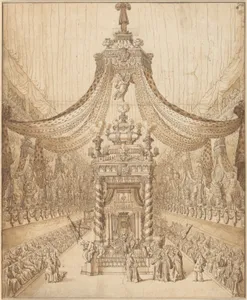
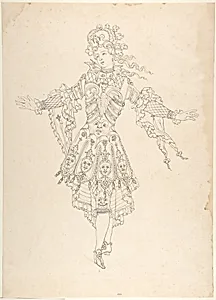
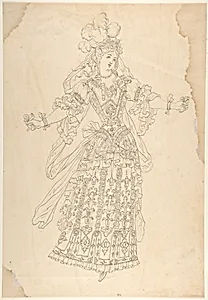
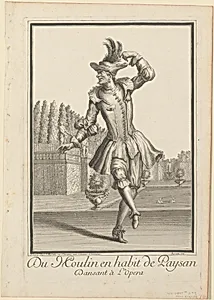
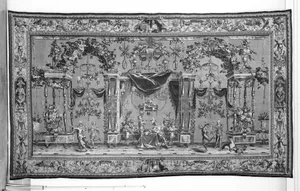
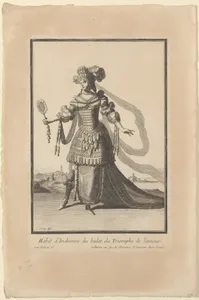
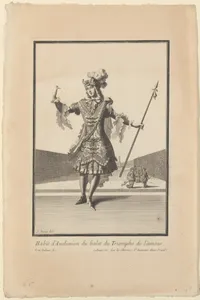
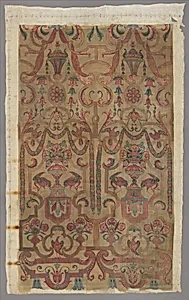
Bérain trained in the orbit of court designers and is believed to have been the pupil of Henri de Gissey, whom he succeeded in 1674 as *dessinateur de la Chambre et du cabinet du Roi*. He maintained workshops in the Galeries du Louvre near André Charles Boulle, for whom he supplied many furniture designs, and later took on the exterior decoration of the king’s ships after Charles Le Brun’s death. His output encompassed costumes, stage machinery, and scenery for Jean-Baptiste Lully’s operas and ballets at the Théâtre du Palais-Royal, as well as interiors, tapestries for Beauvais, and ornamental motifs for royal residences such as Meudon.
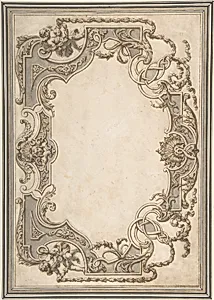
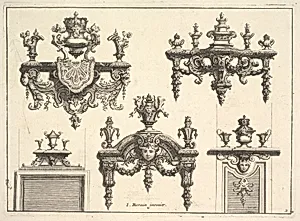
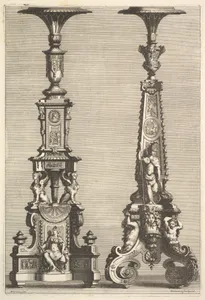
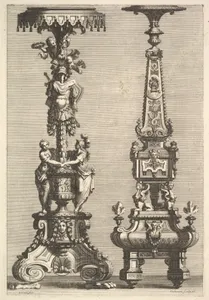
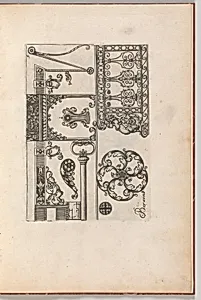
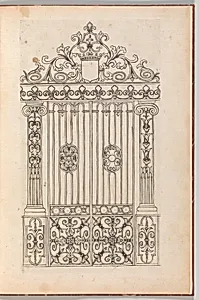
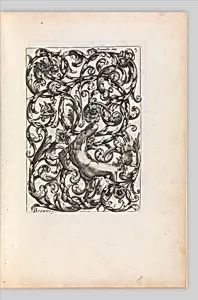
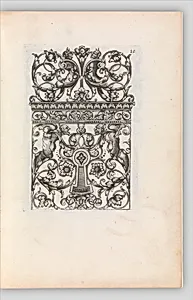
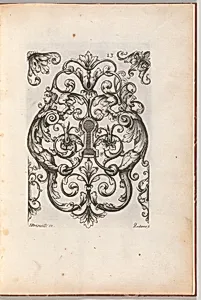
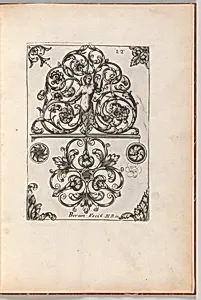
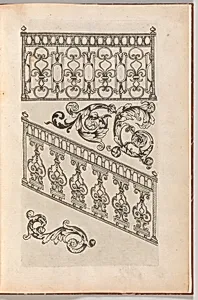
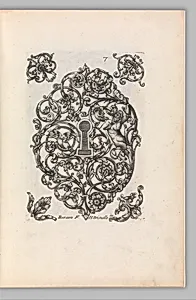
Bérain’s signature “Berainesque” style featured light, symmetrical arabesques and playful grotesques that adapted Raphaelesque ornament to the tastes of the Louis XIV era. This inventive, whimsical approach helped shape the emerging *style Régence* and anticipated the French Rocaille and European Rococo. Notable examples include his 1670 transom design for the *Soleil Royal*, costume designs for Lully’s *Amadis* (1684) and various *divertissements*, and numerous engraved ornamental patterns published in collections such as *Ornements inventés par J. Berain*.
His influence extended far beyond Versailles through his engravings and those of his son and pupil, Jean Bérain the Younger (1678–1726), who succeeded him in official posts. Close ties with Nicodemus Tessin the Younger carried his nuanced Louis XIV manner to Sweden, while his designs spread to the Low Countries, Germany, and London. Bérain’s vast body of work—encompassing court spectacle, furnishings, and theatrical innovation—remains a cornerstone of French decorative history, with hundreds of his designs preserved in museum collections today.