Ctrl K
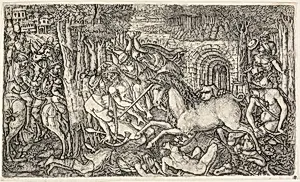
1485–1570
Jean Duvet (1485–after 1562), a pioneering French goldsmith and engraver from the provincial heartlands of Dijon and Langres, emerged as the first significant printmaker in France. Born to a Dijon goldsmith, he trained in the family trade and rose swiftly, becoming master of the Dijon Goldsmiths' Guild by 1509. Duvet's early career blended goldsmithing with engraving; no specific teachers are documented, but his technique drew from copying Italian masters like Marcantonio Raimondi and Andrea Mantegna, suggesting exposure to their prints and possibly a trip to Italy around 1519. Appointed goldsmith to Francis I in 1521 during a royal visit to Langres—where he orchestrated festive decorations—and later serving Henry II, he remained rooted in these regional centers, far from the court's Fontainebleau sophistication.
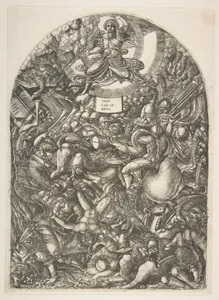
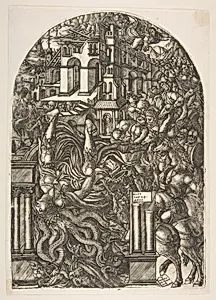
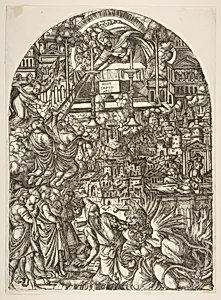
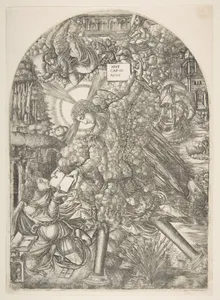
Duvet's style was intensely personal and visionary, blending medieval Gothic fervor with High Renaissance and Mannerist echoes, often likened to William Blake for its crowded, naive compositions brimming with religious ecstasy. Unlike the polished elegance of Fontainebleau, his engravings prioritized symbolic distortion over spatial logic—figures warp in scale, trumpets blast literally into ears, and urban religious zeal infuses every plate. Influences ranged from Albrecht Dürer's woodcuts to Fontainebleau etchings, yet Duvet imposed a quasi-Gothic urgency, reflecting Langres' Catholic revival; he joined a militant lay fraternity in 1548. This "freedom and immediacy" set him apart in Renaissance printmaking.
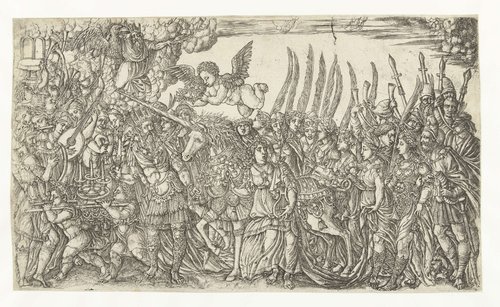
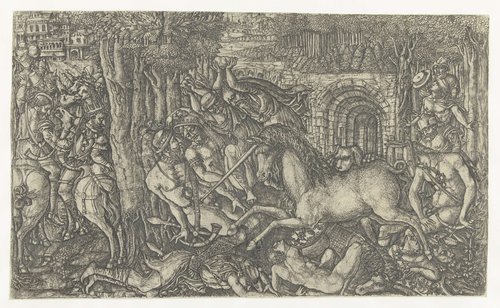
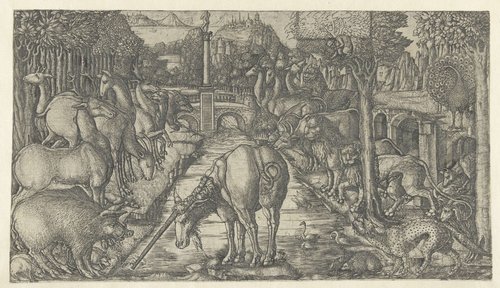
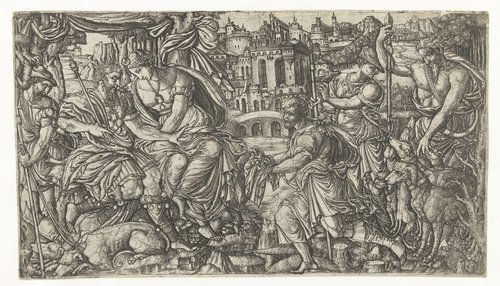
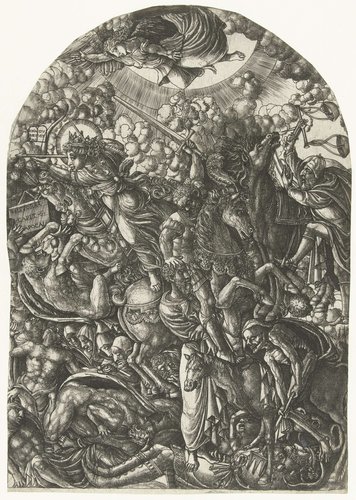
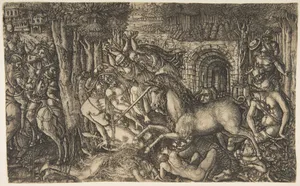
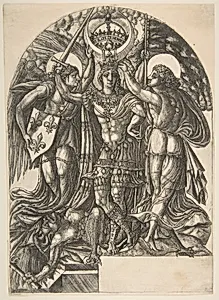
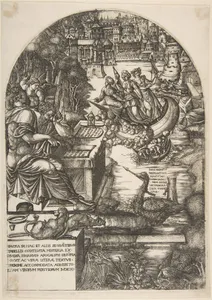
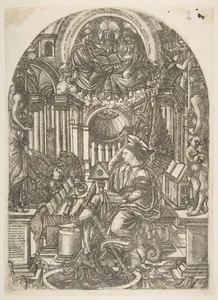
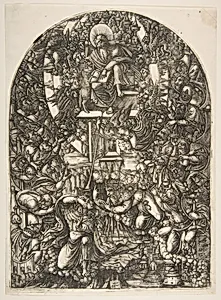
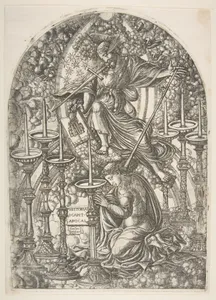
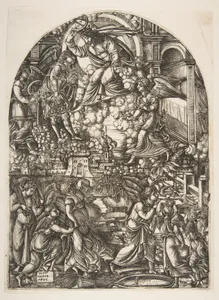
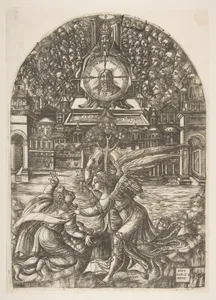
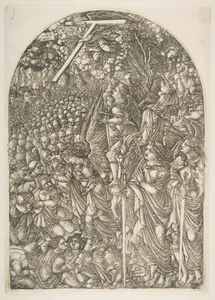
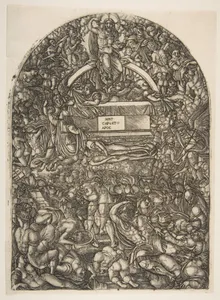
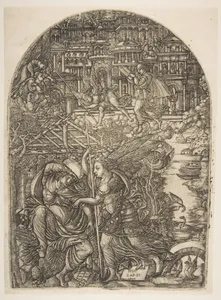
His oeuvre comprises about 73 plates, with masterpieces like the *Annunciation* (1520), his debut, and the lyrical Unicorn series of six engravings (early 1540s), earning him the moniker "Master of the Unicorn." The crowning achievement was the *Apocalypse* series of 23 plates, completed at age 70; its frontispiece (1555) depicts Duvet as St. John the Evangelist, burin in hand, amid swirling Fates, inscribed "Jean Duvet goldsmith of Langres aged 70 made these histories 1555." Published in Lyon in 1561, it borrows from Dürer but surges with personal mysticism. Other gems include *Moses Surrounded by the Patriarchs* (1540–50), *Henry II between France and Fame* (c. 1548), and multiple *Suicide of Judas* treatments.
Duvet's legacy endures as France's engraving trailblazer, his prophetic visions bridging medieval piety and modern expressionism, influencing the turbulent art of the Wars of Religion and echoing in later mystics like Blake. Last recorded in Langres in 1562, he left no surviving goldwork but an indelible print legacy of 73 visions that pulse with defiant faith.